In the realm of industrial automation and electrical control systems, proximity sensors are indispensable components for non-contact detection of objects. Among their fundamental operating characteristics, the concepts of Normally Open (NO) and Normally Closed (NC) are paramount. Distinguishing between these two configurations is critical for proper circuit design, safety, and system functionality. This article delves into the operational principles, practical implications, and selection criteria for NO and NC proximity sensors.
At its core, the distinction lies in the default state of the sensor's output switch in the absence of a target within its sensing range. This default state is defined when the sensor is powered but not activated by a detectable object.
A Normally Open (NO) proximity sensor has an output circuit that is open (non-conducting) when no target is present. Think of it as a break in the electrical path. When a valid target enters the sensor's detection field, the internal switch closes, completing the circuit and allowing current to flow. The output signal transitions from a low or "OFF" state to a high or "ON" state. This type is extremely common in applications requiring an action to initiate upon detection. For example, an NO sensor might be used to start a conveyor belt motor only when a package is detected at the loading station, thereby conserving energy and reducing wear.
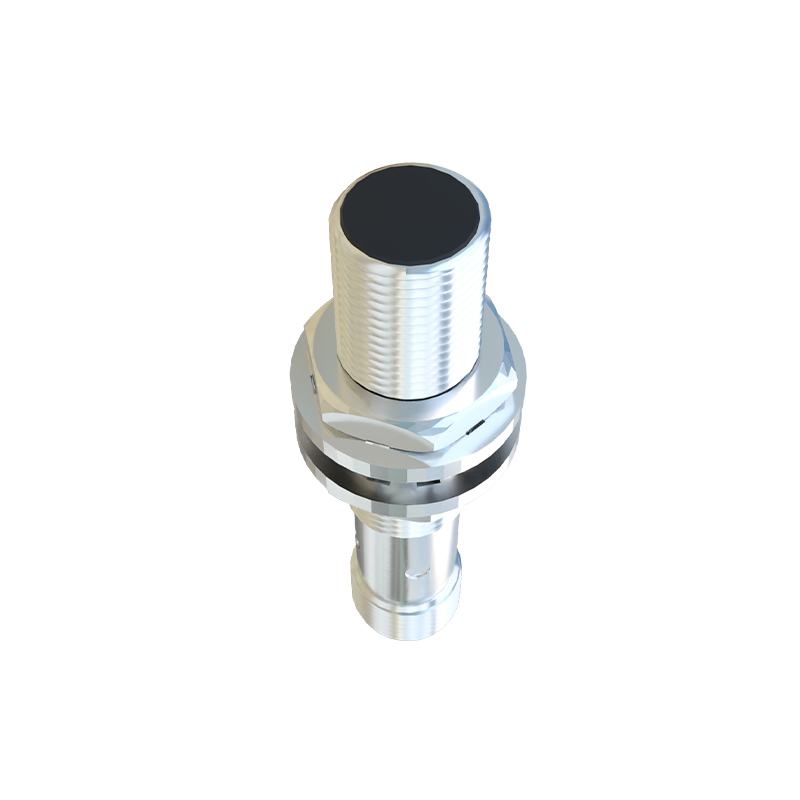
Conversely, a Normally Closed (NC) proximity sensor has an output circuit that is closed (conducting) in its idle, non-activated state. Current flows through it under normal conditions. When a target enters the sensing range, the internal switch opens, breaking the circuit and stopping the current flow. The output signal thus changes from a high/ON state to a low/OFF state upon detection. NC configurations are often employed in safety-critical and monitoring applications. A classic use is in a guard door interlock system. The machine can only operate (circuit closed) when the safety door is shut (sensor not activated by the door edge). If the door opens, the sensor detects the "target" (the door moving away), opens its circuit, and immediately halts the machine, ensuring operator safety.
The electrical schematics and wiring diagrams represent these states with distinct symbols. An NO contact is typically drawn as two separated lines that will connect upon activation. An NC contact is shown as two connected lines that will separate upon activation. Understanding these symbols is essential for reading control diagrams.
Choosing between NO and NC is not merely a technical preference; it involves strategic design thinking centered on fail-safe operation. The core question is: "What should happen if the sensor fails, wiring breaks, or power is lost?" An NC configuration often provides a higher inherent level of safety for protective functions. If the wire to an NC sensor is cut, the circuit opens, mimicking the detection of a target and causing the machine to stop—a fail-safe condition. For an NO sensor, a wire break would simply look like no target is present, potentially leaving a dangerous machine running. Therefore, emergency stop circuits, safety light curtains, and critical presence monitoring frequently utilize NC contacts to ensure a fault leads to a safe shutdown.
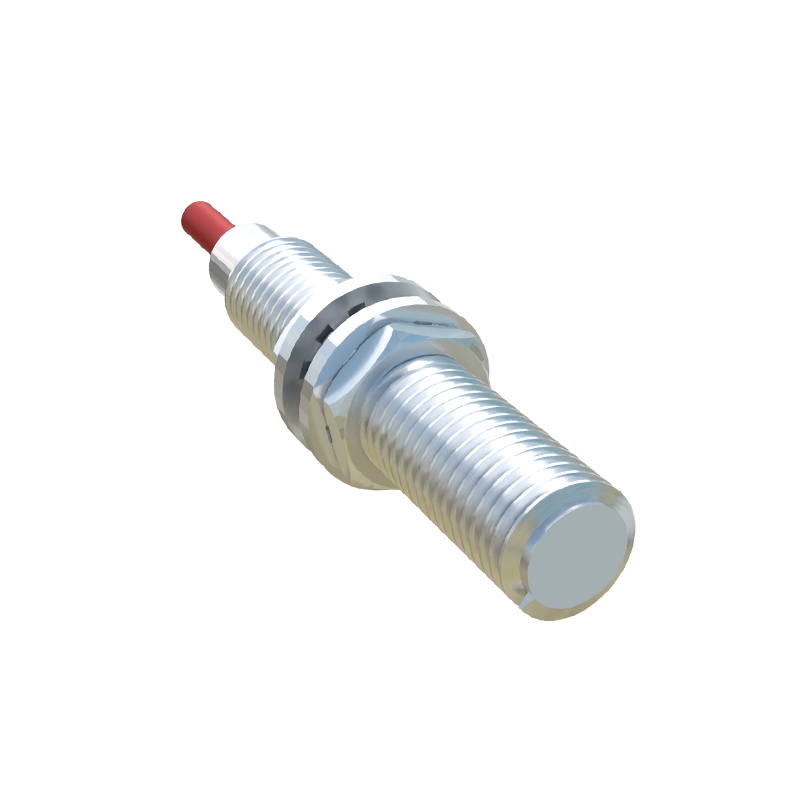
In modern programmable systems, the logical effect of an NC sensor can often be replicated in software by inverting the logic of an NO sensor's signal. However, for hardwired safety circuits that must comply with standards like ISO 13849, the physical, reliable nature of a true NC contact is usually mandated and cannot be replaced by software logic alone.
When specifying a sensor, it is crucial to examine the datasheet. Outputs are clearly labeled as NO, NC, or sometimes as a combination or selectable option. Terms like "PNP NO" or "NPN NC" define both the switching type (sourcing or sinking) and the contact logic. Misinterpretation here can lead to incorrect PLC input responses or actuator behaviors.
In summary, the difference between Normally Open and Normally Closed proximity sensors is foundational. NO sensors close their circuit upon detection, ideal for initiating processes. NC sensors open their circuit upon detection, providing inherent fail-safe characteristics crucial for safety and monitoring. The correct selection, grounded in an understanding of default states and fail-safe requirements, is a cornerstone of robust, reliable, and safe automated system design.