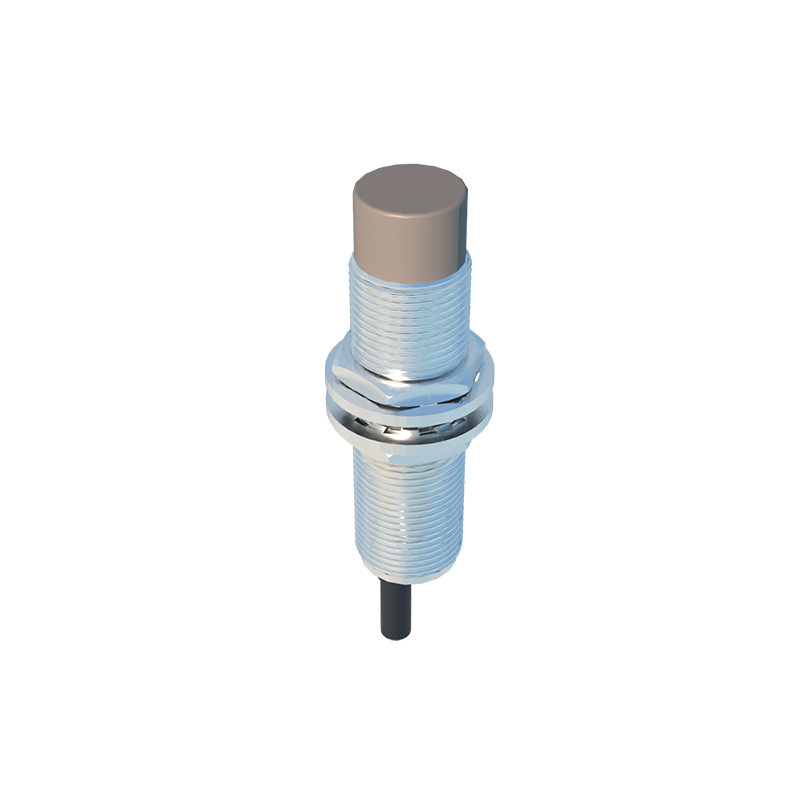
In the rapidly evolving landscape of industrial automation, small proximity sensors play a pivotal role in enhancing efficiency, safety, and precision. These compact devices detect the presence or absence of objects without physical contact, making them indispensable in applications ranging from assembly lines and robotics to packaging and material handling. When selecting a small proximity sensor, the brand often serves as a critical indicator of reliability, performance, and technological innovation. This article explores leading brands in the small proximity sensor market, highlighting their unique strengths and contributions to the industry.
One of the most renowned names in sensor technology is Sick AG. Based in Germany, Sick has established a global reputation for high-quality, durable sensors tailored to demanding industrial environments. Their small proximity sensors, such as the IM series, are celebrated for exceptional accuracy and robust construction. Sick sensors often incorporate advanced features like IO-Link communication, enabling seamless integration into smart factories and Industry 4.0 setups. Engineers favor Sick for applications requiring precise detection in confined spaces, where reliability is non-negotiable.
Another key player is Omron Corporation, a Japanese multinational with a strong foothold in automation components. Omron's E2E and E2A series of small proximity sensors are widely adopted for their compact design and high sensitivity. These sensors excel in detecting metallic objects at short ranges, offering stable performance even in challenging conditions like temperature fluctuations or electromagnetic interference. Omron emphasizes user-friendly installation and maintenance, with many models featuring LED indicators for easy diagnostics. Their commitment to innovation is evident in sensors with embedded diagnostics and network capabilities, supporting predictive maintenance strategies.
Pepperl+Fuchs, also headquartered in Germany, is synonymous with expertise in sensor and intrinsic safety technology. The company's small proximity sensors, particularly the NJ and NBB series, are engineered for harsh industrial settings, including those with explosive atmospheres. Pepperl+Fuchs sensors are known for their high switching frequencies and resistance to environmental factors like dust, moisture, and vibration. They offer a diverse portfolio, including inductive, capacitive, and ultrasonic variants, allowing customization for specific material detection needs. For industries like chemical processing or mining, where safety is paramount, Pepperl+Fuchs provides certified solutions that meet stringent international standards.
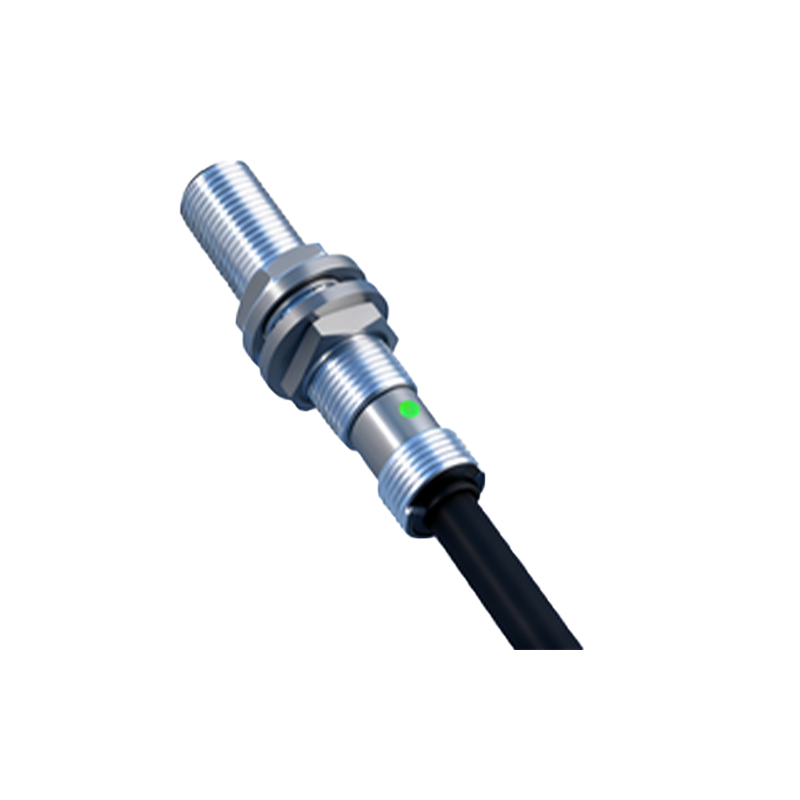
From the United States, Rockwell Automation stands out with its Allen-Bradley brand of small proximity sensors. These sensors are integral to Rockwell's ecosystem of automation products, designed for seamless compatibility with ControlLogix and CompactLogix programmable controllers. Models like the 871F are prized for their ruggedness and ease of integration into complex control systems. Rockwell focuses on enhancing productivity through features like adjustable sensing ranges and diagnostic feedback, which help reduce downtime in manufacturing processes. Their sensors are a common choice in automotive and food processing industries, where precision and hygiene are critical.
Balluff GmbH, a German specialist in sensor and automation solutions, offers a compelling range of small proximity sensors, including the BOS series. Balluff sensors are recognized for their miniaturized designs without compromising on performance, making them ideal for space-constrained applications in electronics or medical device manufacturing. They incorporate smart technologies such as RFID integration and condition monitoring, aligning with trends toward digitalization. Balluff's global support network ensures quick technical assistance, a factor valued by engineers managing large-scale installations.
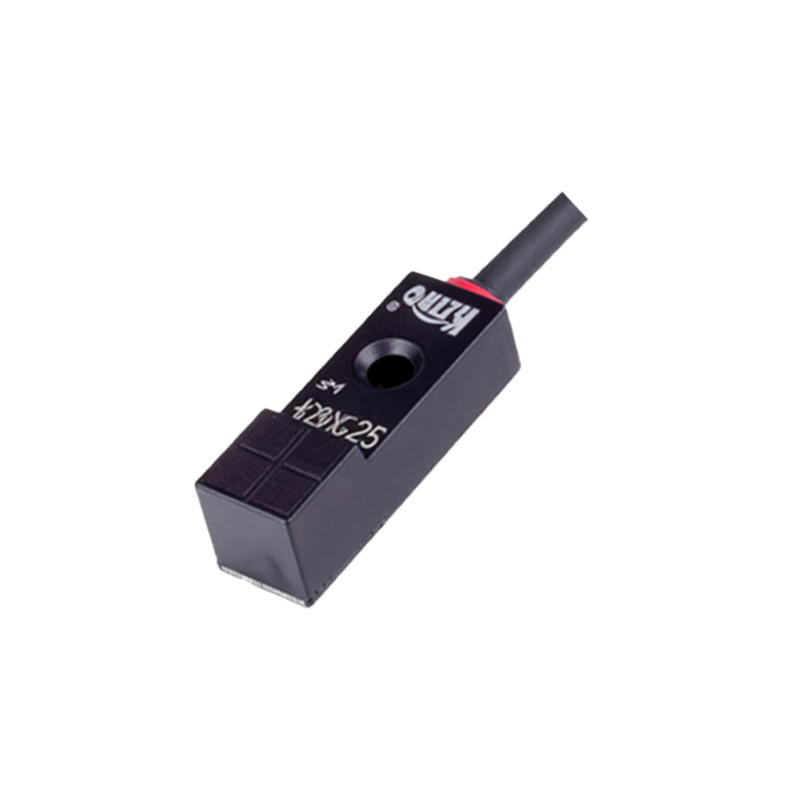
Emerging brands like ifm electronic have also gained traction with innovative small proximity sensors. ifm's product line, including the IQ series, emphasizes eco-efficiency and connectivity. These sensors often feature IO-Link interfaces for real-time data exchange, enabling advanced analytics and process optimization. ifm is noted for its user-centric design, with tools like easy-to-use configuration software simplifying setup. Their sensors are increasingly used in renewable energy and logistics sectors, where adaptability and energy savings are priorities.
When evaluating brands, engineers should consider factors beyond basic specifications. Key criteria include environmental ratings (e.g., IP67 for dust and water resistance), material compatibility (e.g., detection of metals, plastics, or liquids), output types (e.g., PNP/NPN, analog, or IO-Link), and mounting options. Brands like Sick and Omron often lead in providing comprehensive documentation and simulation tools, aiding in selection and integration. Additionally, after-sales support, warranty terms, and availability of spare parts can influence long-term operational costs.
In conclusion, the market for small proximity sensors is dominated by established brands that combine engineering excellence with continuous innovation. Sick, Omron, Pepperl+Fuchs, Rockwell Automation, Balluff, and ifm each offer distinct advantages, from ruggedness and safety to smart connectivity and miniaturization. As industries advance toward greater automation, selecting the right brand becomes crucial for achieving optimal performance and reliability. Engineers are encouraged to assess specific application requirements and leverage brand strengths to enhance their automation systems, ensuring efficiency and competitiveness in a dynamic industrial