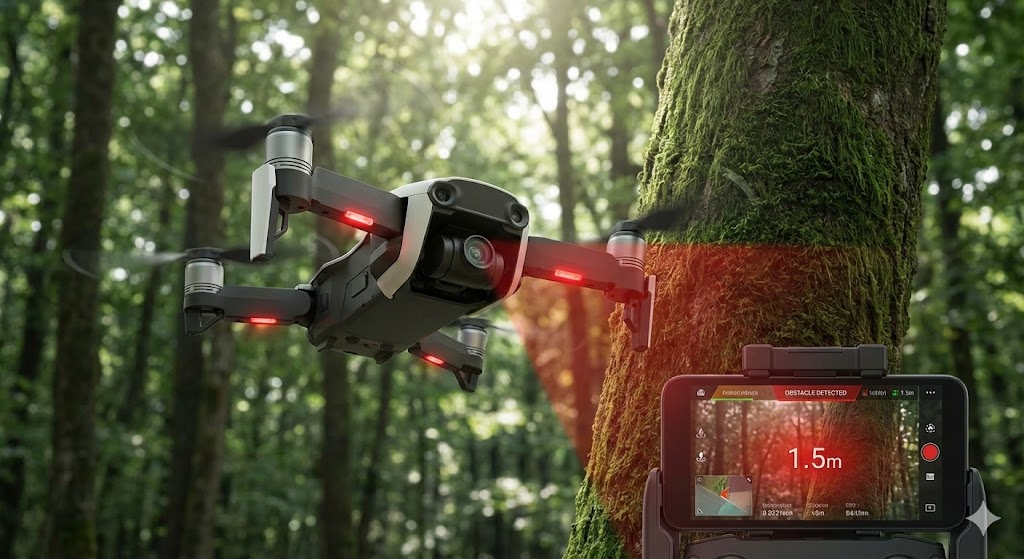
Laser emission sensors represent a pivotal technology in modern industrial automation, offering unparalleled precision in detection, measurement, and control processes. At their core, these sensors operate based on the fundamental principles of laser physics, utilizing stimulated emission of radiation to generate coherent, monochromatic light beams. The basic components include a laser diode as the light source, optical elements such as lenses or mirrors for beam shaping and focusing, a photodetector for receiving reflected or scattered light, and signal processing electronics.
The working mechanism begins with the laser diode emitting a focused beam toward a target object. When the beam interacts with the surface, it may be reflected, absorbed, or scattered depending on the material properties and distance. The photodetector, typically a photodiode or avalanche photodiode, captures the returning light and converts it into an electrical signal. Advanced sensors employ time-of-flight (ToF) or triangulation methods to calculate distance or position. In ToF systems, the sensor measures the time delay between emitted and received pulses, enabling accurate distance calculations even in dynamic environments. Triangulation-based sensors use geometric relationships between the emitter, detector, and target to determine displacement, ideal for high-resolution measurements.
Key advantages of laser emission sensors include their non-contact nature, which prevents wear and damage to both sensor and target, and their ability to function in harsh conditions involving dust, vibration, or extreme temperatures. They are widely deployed in manufacturing for quality inspection, robotics for object recognition, logistics for barcode scanning, and safety systems for intrusion detection. For instance, in automotive assembly lines, laser sensors verify component alignment with micron-level accuracy, while in warehouse automation, they facilitate rapid parcel sorting by reading encoded labels.
Recent innovations have integrated smart features such as Ethernet connectivity, IoT compatibility, and adaptive algorithms that self-calibrate based on environmental changes. However, challenges persist, including interference from ambient light, high cost for specialized variants, and maintenance requirements for optical cleanliness. Future trends point toward miniaturization, multi-spectral laser systems for material analysis, and enhanced AI-driven data interpretation.
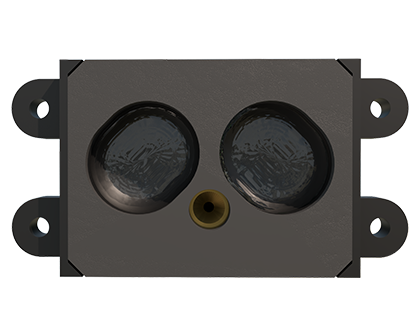
In summary, laser emission sensors leverage the coherence and directionality of laser light to achieve reliable, high-speed sensing solutions. Their continued evolution supports Industry 4.0 initiatives, driving efficiency and innovation across sectors from precision engineering to smart infrastructure. Engineers selecting these sensors must consider factors like wavelength, beam divergence, response time, and environmental ratings to ensure optimal performance in specific applications.