In the realm of industrial automation and control systems, proximity sensors are indispensable components. They detect the presence or absence of an object without physical contact, enabling precise, reliable, and maintenance-free operation in harsh environments. Understanding the various types of proximity sensors is crucial for selecting the right technology for a specific application. This guide delves into the primary categories, their operating principles, advantages, and typical use cases.
The most fundamental classification is based on the sensing technology. Inductive proximity sensors are among the most common. They generate an electromagnetic field and detect the eddy current losses caused when a metallic target enters this field. These sensors are exclusively for detecting metals, with factors like target material (ferrous vs. non-ferrous), size, and shape affecting the sensing distance. They are highly robust, resistant to dirt and dust, and ideal for applications like machine tool position sensing, metal part counting on conveyors, and limit switching in automated machinery.
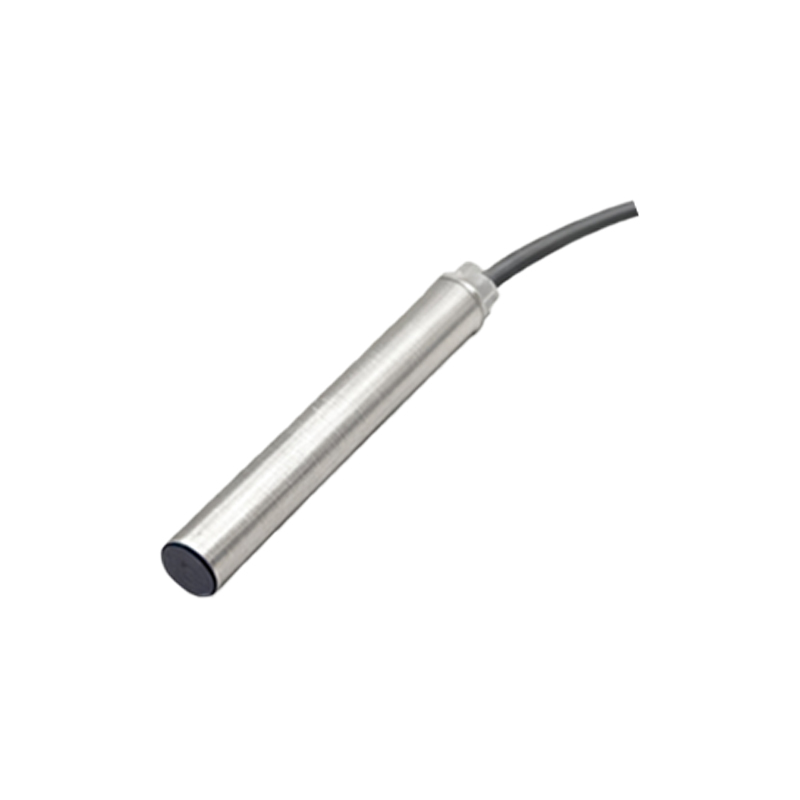
Capacitive proximity sensors operate on a different principle. They generate an electrostatic field and detect changes in capacitance caused by any material that enters the field, whether conductive or non-conductive (like plastics, wood, glass, or liquids). This makes them incredibly versatile. They can detect levels of powders, granules, or liquids through container walls, making them perfect for fill-level control in tanks and hoppers. Their sensitivity is adjustable, which is useful but requires careful setup to avoid false triggers from environmental changes like humidity.
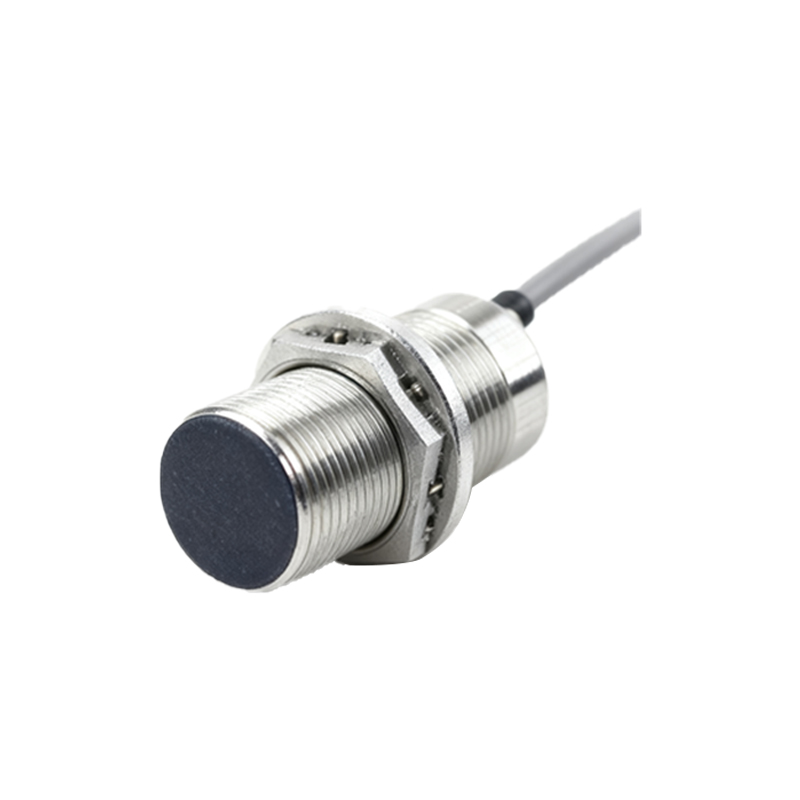
Ultrasonic proximity sensors use sound waves beyond the human hearing range. They emit high-frequency ultrasonic pulses and measure the time it takes for the echo to return from a target object. This time-of-flight measurement allows them to detect objects regardless of material, color, or transparency. They are excellent for long-range detection, measuring distances, and detecting irregularly shaped objects. Common applications include pallet detection in logistics, liquid level sensing in large tanks, and collision avoidance on automated guided vehicles (AGVs). However, they can be affected by temperature variations, air turbulence, and soft, sound-absorbing materials.
Magnetic proximity sensors, often called reed switches or Hall-effect sensors, detect the presence of a permanent magnet. Reed switches use hermetically sealed ferromagnetic reeds that close or open in the presence of a magnetic field. Hall-effect sensors produce a voltage change when exposed to a magnetic field. Both types are simple, cost-effective, and used extensively for detecting the position of cylinders (with a magnet embedded in the piston), door/window open-close sensing, and speed measurement in rotating equipment. They are immune to non-magnetic contaminants like dirt and oil.
Photoelectric sensors, while sometimes categorized separately, function as a key non-contact proximity technology. They consist of an emitter (light source) and a receiver. In the proximity-sensing mode (diffuse or reflective), the sensor detects the presence of an object by the reflection of its own emitted light beam. They can detect a vast array of materials over longer distances than inductive or capacitive sensors. Applications include object detection on packaging lines, bottle counting, and registration mark sensing in printing. Their performance can be influenced by environmental factors like ambient light, dust, fog, and the color or reflectivity of the target.
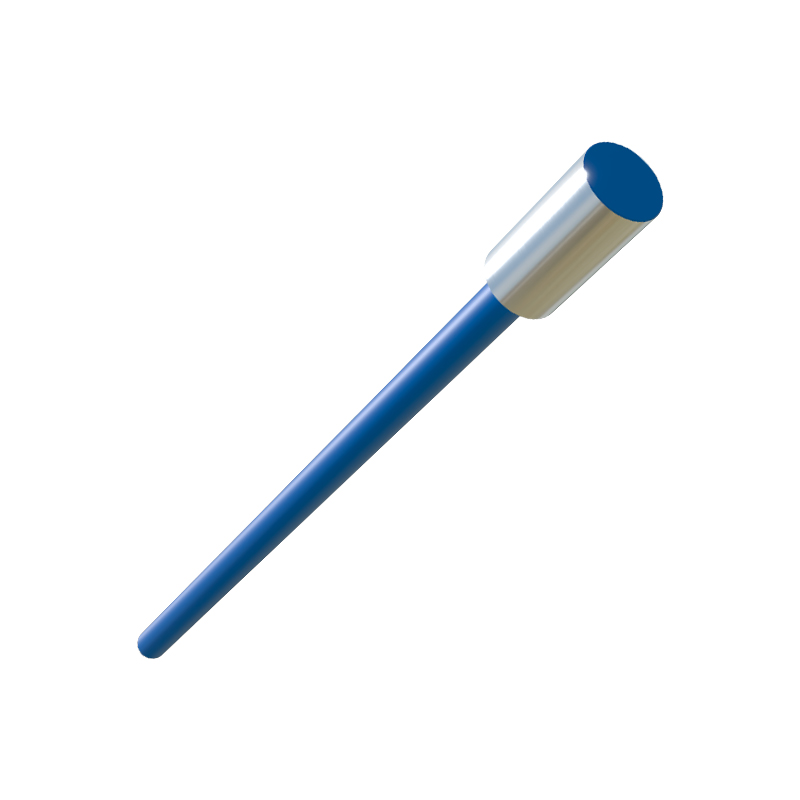
Selecting the appropriate proximity sensor requires a careful analysis of the application parameters. Key considerations include: the target material (metal, plastic, liquid), required sensing distance, environmental conditions (temperature, presence of contaminants, washdown requirements), switching frequency (response speed), output type (PNP/NPN, analog, IO-Link), and physical size constraints. For instance, an inductive sensor is the default choice for detecting a steel gear tooth, while a capacitive sensor is necessary for monitoring the plastic pellet level in a silo. An ultrasonic sensor solves the challenge of detecting a clear glass bottle on a conveyor.
In conclusion, the diverse family of proximity sensors—inductive, capacitive, ultrasonic, magnetic, and photoelectric—provides engineers with a powerful toolkit for solving detection challenges. Each type has its unique strengths and ideal operating domain. A deep understanding of these technologies ensures optimal system performance, enhances operational efficiency, and contributes to the creation of smarter, more responsive automated industrial environments. As Industry 4.0 advances, the integration of these sensors with digital communication protocols like IO-Link is further amplifying their diagnostic and data-providing capabilities.