In the realm of industrial automation and machinery monitoring, the ability to accurately detect the presence and measure the rotational or linear speed of an object without physical contact is paramount. This is the core function of proximity speed sensors. These devices are fundamental components in modern manufacturing, automotive systems, and process control, providing critical data for safety, efficiency, and predictive maintenance.
At its essence, a proximity speed sensor is a non-contact device that detects the passage of a target—such as a gear tooth, a key on a shaft, or a bolt head—and converts this detection into a digital pulse signal. The speed is then calculated by measuring the frequency of these pulses over time. The absence of mechanical wear and tear, a hallmark of contact-based methods like mechanical tachometers, is a significant advantage, leading to higher reliability and longer service life.
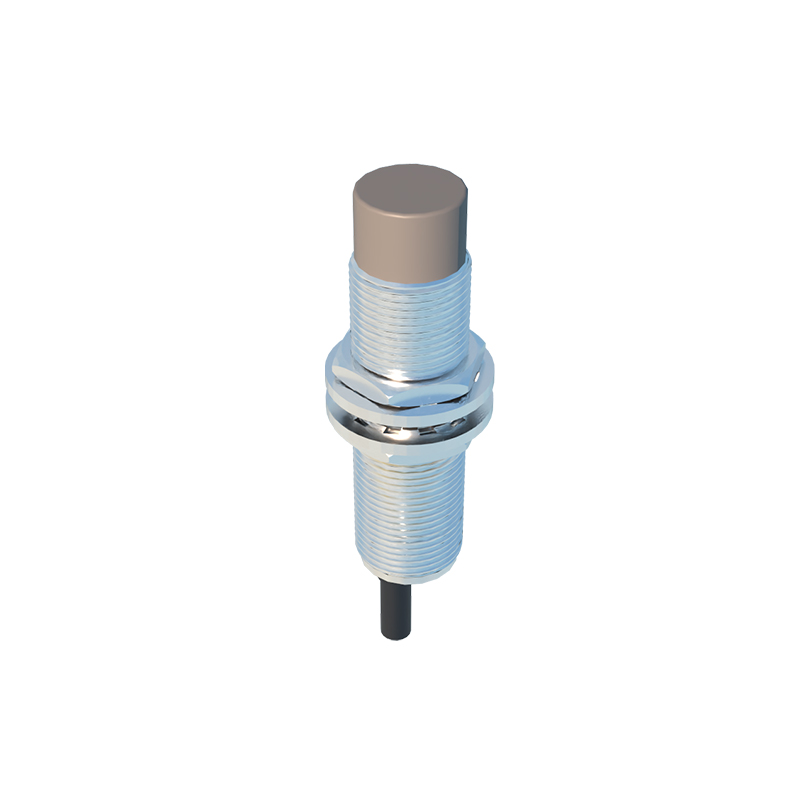
The working principle varies based on the underlying technology. The most common types include inductive, capacitive, and magnetic (Hall effect or variable reluctance) sensors. Inductive proximity sensors are widely used for detecting metallic targets. They generate an oscillating electromagnetic field. When a ferrous or non-ferrous metal object enters this field, it induces eddy currents, which dampen the oscillation. This change is detected by the sensor's circuitry, triggering an output signal. They are robust, resistant to environmental contaminants like oil and dust, and ideal for harsh industrial environments.
Magnetic speed sensors, particularly those using the Hall effect, detect changes in a magnetic field. A permanent magnet is typically housed within the sensor. When a ferromagnetic target (like a gear tooth) passes by, it distorts the magnetic field lines. The Hall effect IC within the sensor senses this change in magnetic flux density and produces a corresponding voltage pulse. Variable reluctance sensors operate on a similar magnetic principle but generate an analog voltage signal induced by the changing magnetic reluctance as a target passes. Hall effect sensors can detect static magnetic fields (allowing for zero-speed detection) and are known for their consistent performance across a wide speed range.
Capacitive proximity sensors can detect both metallic and non-metallic materials (plastics, wood, liquids) by sensing changes in capacitance. They generate an electrostatic field. The approach of any material with a dielectric constant different from air alters this field's capacitance, triggering the output. While less common for pure speed sensing in heavy machinery, they are valuable in specific applications involving non-conductive materials.
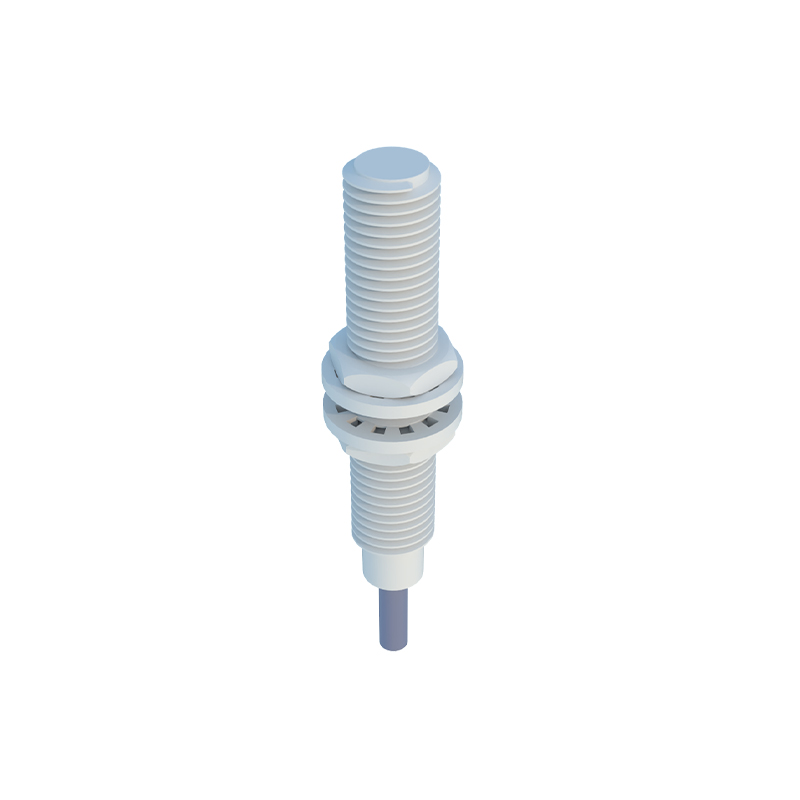
The selection of a proximity speed sensor depends heavily on the application requirements. Key parameters include sensing distance, target material and size, required output signal type (PNP/NPN, analog, or digital), operating temperature range, and environmental factors like exposure to vibration, moisture, or chemicals. For instance, monitoring the RPM of a steel gear in an oily gearbox would call for a sealed inductive sensor. In contrast, detecting the speed of a plastic fan blade might necessitate a capacitive sensor.
Industrial applications are vast and critical. They are extensively used for rotational speed monitoring of motors, pumps, fans, and conveyor drives. In the automotive sector, they are integral to anti-lock braking systems (ABS), measuring wheel speed, and in engine control units for crankshaft and camshaft position/speed sensing. They play a vital role in overspeed and underspeed protection systems, where an abnormal speed can trigger an alarm or shutdown to prevent equipment damage. Furthermore, the pulse output from these sensors is the primary input for tachometers, counters, and programmable logic controllers (PLCs), forming the backbone of automated process control.
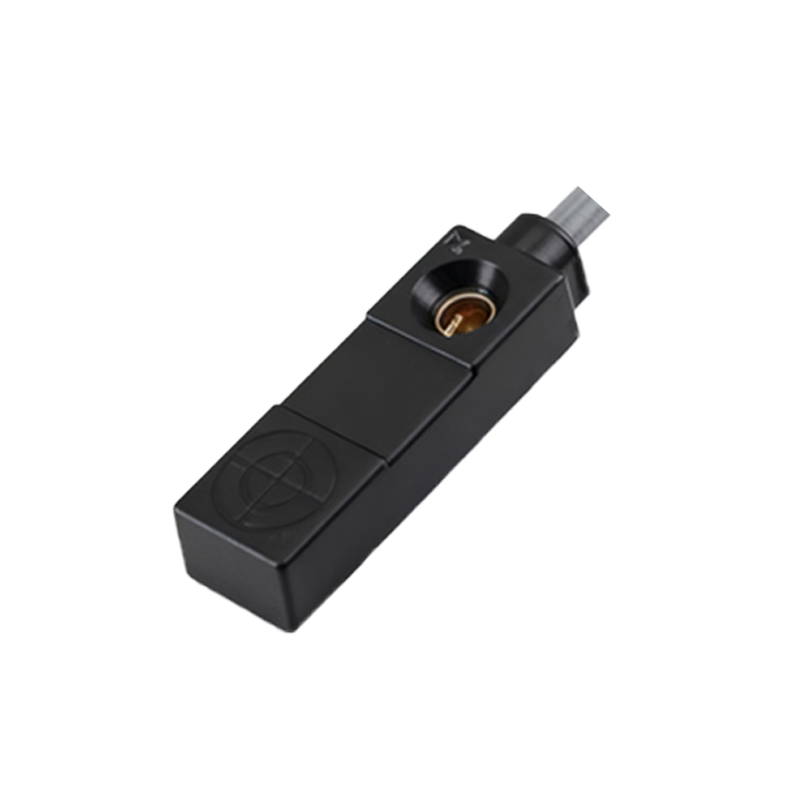
Installation and alignment are crucial for optimal performance. The sensor must be mounted at the correct distance (within its nominal sensing range) and orientation relative to the target. The target's size, shape, and material must be compatible with the sensor's specifications. Regular maintenance, though minimal, involves checking for physical damage, ensuring clean sensing faces free of debris, and verifying electrical connections.
In conclusion, proximity speed sensors are indispensable, silent guardians of industrial motion control. By offering reliable, non-contact speed measurement, they enhance operational safety, enable precise control, and provide the data necessary for condition-based maintenance strategies. As industries continue to advance towards smarter, more connected systems (Industry 4.0), the role of these robust and accurate sensors will only become more central, feeding data into larger analytics platforms to optimize overall equipment effectiveness and prevent unplanned downtime.