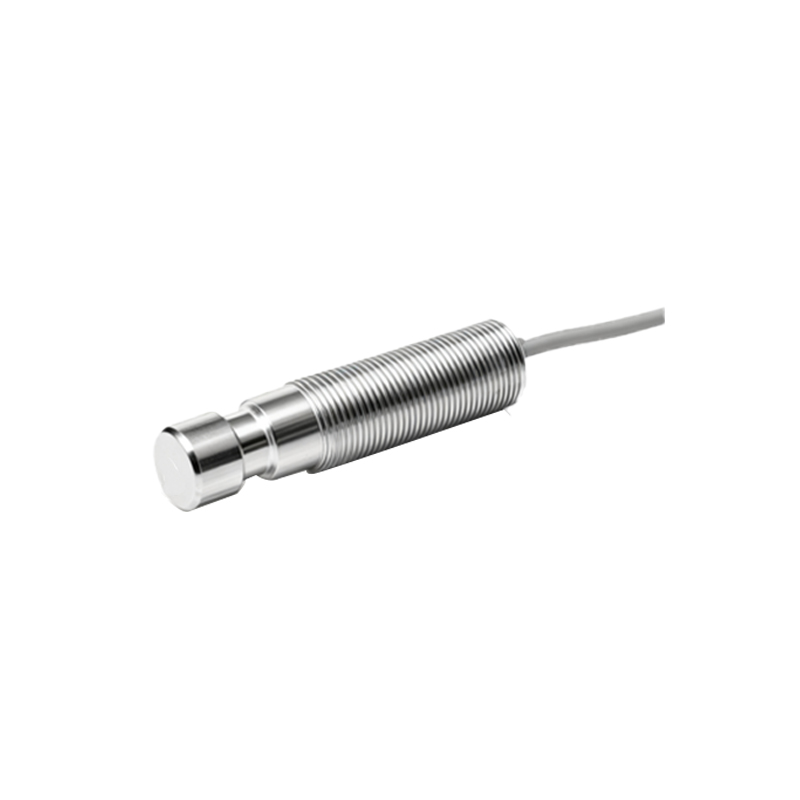
Inductive proximity sensors are non-contact electronic devices widely utilized in industrial automation for detecting metallic objects without physical contact. Operating on the principle of electromagnetic induction, these sensors generate an oscillating electromagnetic field from a coil wound around a ferrite core. When a metallic target enters this field, eddy currents are induced in the target, causing a change in the oscillation amplitude or frequency. This alteration is detected by the sensor's internal circuitry, triggering an output signal—typically a switching action—to indicate the presence of the object.
One of the standout features of inductive proximity sensors is their robustness and durability. Encased in materials like stainless steel, nickel-plated brass, or ruggedized plastics, they are designed to withstand harsh industrial environments, including exposure to dust, moisture, oils, and mechanical vibrations. Many models comply with IP67 or IP68 ratings, ensuring reliable operation in demanding conditions such as manufacturing lines, automotive assembly, and material handling systems. Their solid-state construction, devoid of moving parts, minimizes wear and tear, leading to extended service life and reduced maintenance needs compared to mechanical switches.
Another key characteristic is their high switching frequency and precision. Inductive sensors can detect objects at speeds up to several thousand operations per second, making them ideal for high-speed counting, positioning, and sorting applications. They offer consistent repeat accuracy, often within micrometers, ensuring reliable performance in precision-critical tasks like robotic guidance or CNC machining. The sensing range varies by model, typically from a few millimeters to about 60 millimeters, with factors such as target material (e.g., steel, aluminum, copper) and size influencing detection capabilities. Ferrous metals generally yield longer ranges due to higher magnetic permeability.
These sensors are also valued for their immunity to environmental interference. Unlike optical sensors, they are unaffected by ambient light, dirt, or opaque fluids, allowing stable operation in dirty or foggy settings. Additionally, they provide short-circuit and overload protection, enhancing system safety. Modern inductive proximity sensors often incorporate advanced functionalities, such as analog outputs for distance measurement, temperature compensation for consistent performance across varying climates, and IO-Link compatibility for digital communication and parameter configuration in Industry 4.0 setups.
In summary, inductive proximity sensors offer a blend of reliability, speed, and resilience, making them indispensable in automation. From monitoring conveyor belts to ensuring safety in machinery, their ability to detect metals accurately under tough conditions underscores their vital role in boosting efficiency and productivity across diverse industrial sectors.