In the dynamic world of printing technology, Komori powder spray machines stand out for their ability to improve print quality and efficiency, particularly in preventing set-off in high-speed presses. At the heart of these systems lie proximity sensors, which play a crucial role in ensuring operational accuracy and reliability. As an experienced electrical engineer in the industry, I delve into the intricacies of these sensors, their integration with Komori machines, and best practices for maintenance and optimization.
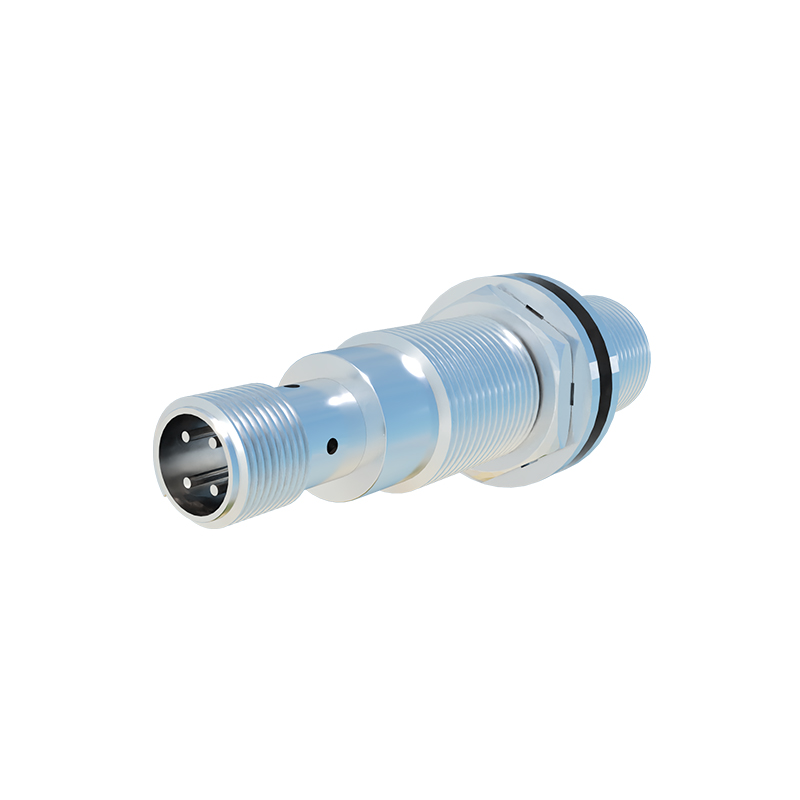
Proximity sensors in Komori powder spray machines are primarily inductive or capacitive types, designed to detect the presence or absence of metallic or non-metallic objects without physical contact. In printing applications, they monitor the position of paper sheets, powder spray nozzles, and conveyor components. For instance, inductive sensors are commonly used to sense metal parts like rollers or frames, while capacitive sensors can detect paper stacks or plastic elements in the powder delivery system. This non-contact detection minimizes wear and tear, reduces downtime, and enhances the machine's lifespan.
The integration of proximity sensors with Komori's control systems, such as the KHS-AI or Komori Management System (KMS), allows for real-time feedback and adjustments. When a sensor detects a misalignment or missing sheet, it triggers an immediate response—like adjusting spray intensity or halting the conveyor—to prevent defects such as uneven powder distribution or smudging. This precision is vital in high-volume printing environments where even minor errors can lead to significant material waste and reduced productivity. Komori machines often employ sensors with high IP ratings (e.g., IP67) to withstand harsh conditions, including dust from powder and ink, ensuring consistent performance.
From an engineering perspective, selecting the right proximity sensor involves considering factors like sensing range, response time, and environmental resilience. For Komori spray machines, sensors with a short-range (e.g., 2-10 mm) and fast response (milliseconds) are ideal to keep up with rapid paper feeds. Regular calibration is essential to maintain accuracy; engineers should follow Komori's guidelines for sensor alignment and testing using diagnostic tools. Common issues, such as false triggers from electrical noise or accumulated powder, can be mitigated by shielding cables, ensuring proper grounding, and implementing routine cleaning schedules.
Looking ahead, advancements in sensor technology, such as the integration of IoT-enabled smart sensors, promise to further enhance Komori machines. These sensors can provide predictive maintenance alerts by monitoring vibration or temperature changes, reducing unplanned outages. In practice, a well-maintained proximity sensor system not only boosts print quality but also aligns with industry trends toward automation and sustainability by minimizing resource consumption.
In summary, proximity sensors are indispensable components in Komori powder spray machines, driving precision and reliability in modern printing. By understanding their function, integration, and upkeep, operators and engineers can maximize machine performance, ensuring smooth operations and superior output in competitive markets.