In the realm of industrial automation and control systems, proximity sensors are indispensable components. They provide non-contact detection of metallic or, in some cases, non-metallic objects, playing a critical role in positioning, counting, and safety applications. For electrical engineers, maintenance technicians, and procurement specialists, knowing where to source these sensors reliably and cost-effectively is as crucial as understanding their technical specifications. This guide outlines the primary procurement channels, highlighting their respective advantages and considerations.
The most direct and traditional method is purchasing from authorized distributors of major sensor manufacturers. Companies like Siemens, Omron, Schneider Electric, Pepperl+Fuchs, and Balluff maintain extensive global networks of certified distributors. These distributors offer significant benefits: guaranteed authenticity, access to the full product catalog, comprehensive technical support, and reliable warranty services. When you need a specific model like an inductive NAMUR sensor for hazardous areas or a precise capacitive sensor for level detection, authorized distributors are the safest bet. They often provide detailed datasheets, CAD models, and application assistance, which is invaluable for complex integration projects. However, this channel may sometimes come with higher list prices and longer lead times for specialized items.
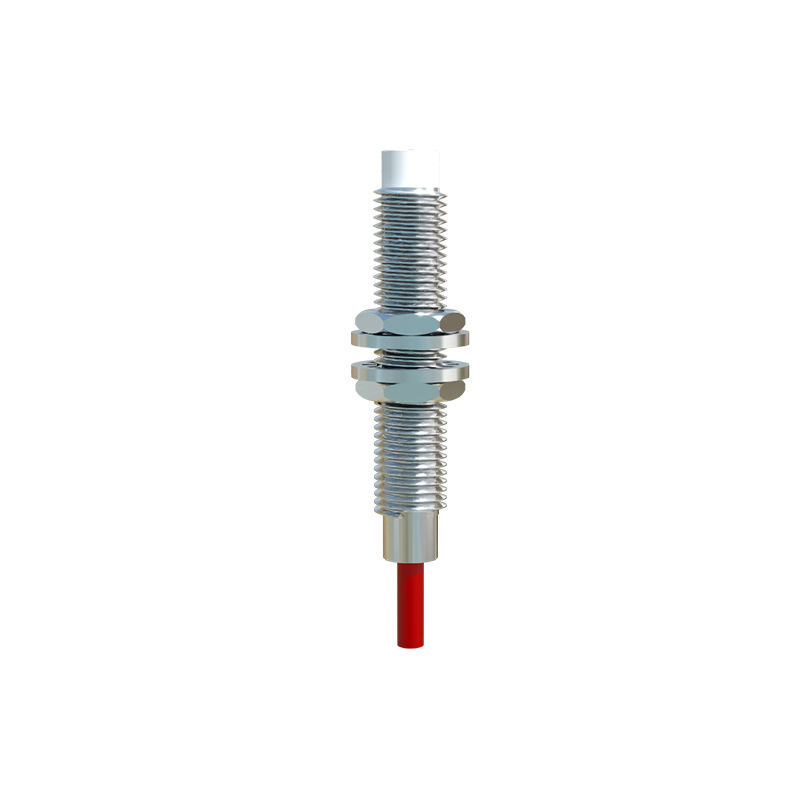
For more competitive pricing and faster availability of common models, industrial supply conglomerates and online marketplaces have become immensely popular. Platforms like RS Components, Digi-Key, Mouser, and Grainger aggregate products from hundreds of manufacturers. Their strengths lie in vast inventories, rapid shipping options, and user-friendly websites with powerful parametric search filters. You can easily compare specifications and prices between different brands of, say, 18mm cylindrical inductive proximity switches. These suppliers are excellent for prototyping, maintenance repairs, and small to medium-volume purchases. It is vital, however, to verify that the seller on such platforms is an authorized reseller to avoid counterfeit products.
In scenarios requiring high-volume procurement or integration into a larger Bill of Materials (BOM), dealing directly with the manufacturer or their regional sales office can be advantageous. This approach is typical for OEMs (Original Equipment Manufacturers) who incorporate sensors into their machinery. Direct engagement allows for negotiation on volume pricing, customization of sensor housings or cable lengths, and deeper technical collaboration during the design phase. It fosters a strategic partnership but is generally not feasible for one-off purchases or small quantities.
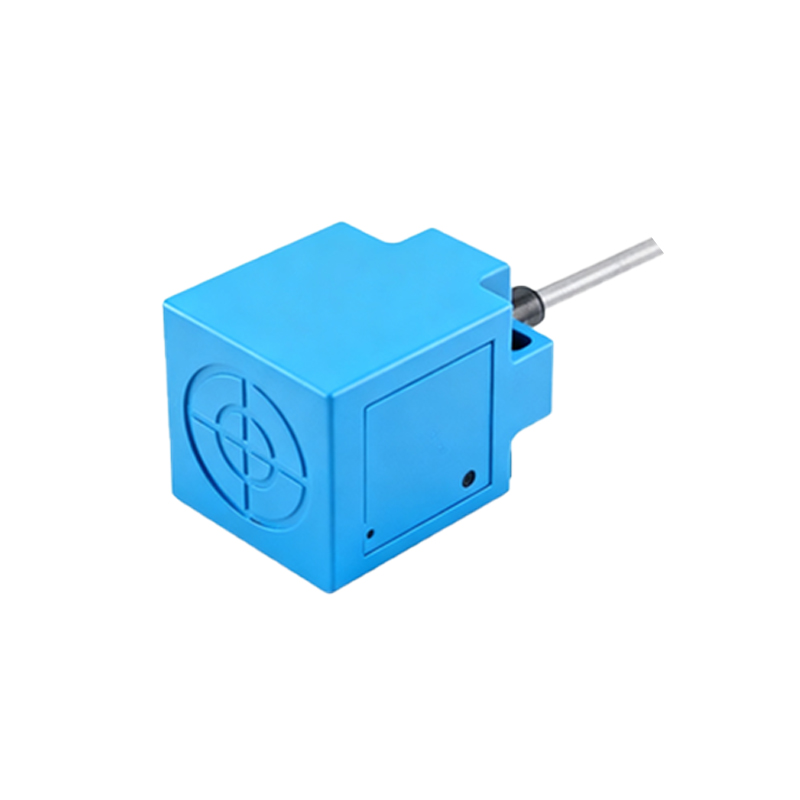
The emergence of specialized online sensor shops should not be overlooked. These niche e-commerce sites focus exclusively on sensors, switches, and related automation components. They often carry a curated selection from both major and lesser-known brands, sometimes offering very attractive prices. Their product knowledge can be quite deep, but buyers must exercise due diligence regarding the site's reputation, return policies, and the authenticity of the products.
Regardless of the chosen channel, several key factors must guide the purchasing decision. First, technical compatibility is paramount: ensure the sensor type (inductive, capacitive, ultrasonic, photoelectric), sensing range, output type (PNP/NPN, analog, IO-Link), housing material, and electrical ratings match your application requirements. Second, consider total cost of ownership, which includes not just the unit price but also shipping costs, potential import duties, and the long-term reliability of the product. Third, evaluate the supplier's support ecosystem—availability of datasheets, technical documentation, and responsive customer service for pre-sales and post-sales inquiries.
Finally, in today's digital age, most procurement begins online. Utilize manufacturer websites to identify exact part numbers and preferred distributors. Compare stock levels and prices across different supplier websites. For urgent needs, check local distributor inventories for same-day pickup options. Remember, the cheapest source is not always the most cost-effective if it leads to machine downtime due to sensor failure. Investing time in selecting the right supplier is as critical as selecting the right sensor. A reliable supply chain ensures the smooth and efficient operation of the automated systems that modern industry depends on.