Magnetic inductive proximity sensors are fundamental components in modern industrial automation, offering robust and contactless detection of ferromagnetic objects. Unlike standard inductive sensors that generate their own electromagnetic field, magnetic inductive sensors react to the presence of an external magnetic field, typically from a permanent magnet. This key distinction makes them uniquely suited for specific challenging environments and applications.
The core operating principle is elegantly simple. The sensor contains a reed switch or a magnetically sensitive semiconductor element (like a Hall-effect or magnetoresistive chip). When a permanent magnet mounted on the target object approaches within the specified sensing range, the magnetic field actuates the internal switching element. For reed switches, the ferromagnetic reeds inside a sealed glass capsule flex and make contact, closing the circuit. Solid-state versions change their electrical output state when the magnetic flux density exceeds a predefined threshold. This action provides a clean, bounce-free signal to the controller—PLC, relay, or counter—indicating the object's presence or position.
The advantages of this technology are numerous. First is exceptional reliability in harsh conditions. Since the sensing element is often hermetically sealed, it is impervious to dust, oil, moisture, and corrosion, making it ideal for washdown areas, outdoor use, or dirty industrial settings. They are immune to the buildup of non-ferrous contaminants like aluminum chips or plastic shavings that could fool a standard inductive sensor. Their operation is not affected by target color, surface finish, or transparency. Furthermore, they can detect through non-ferrous materials like aluminum, plastic, or stainless steel housings, allowing for completely sealed designs. The switching frequency is typically high, and the sensors offer very long operational life, especially the solid-state variants with no moving parts.
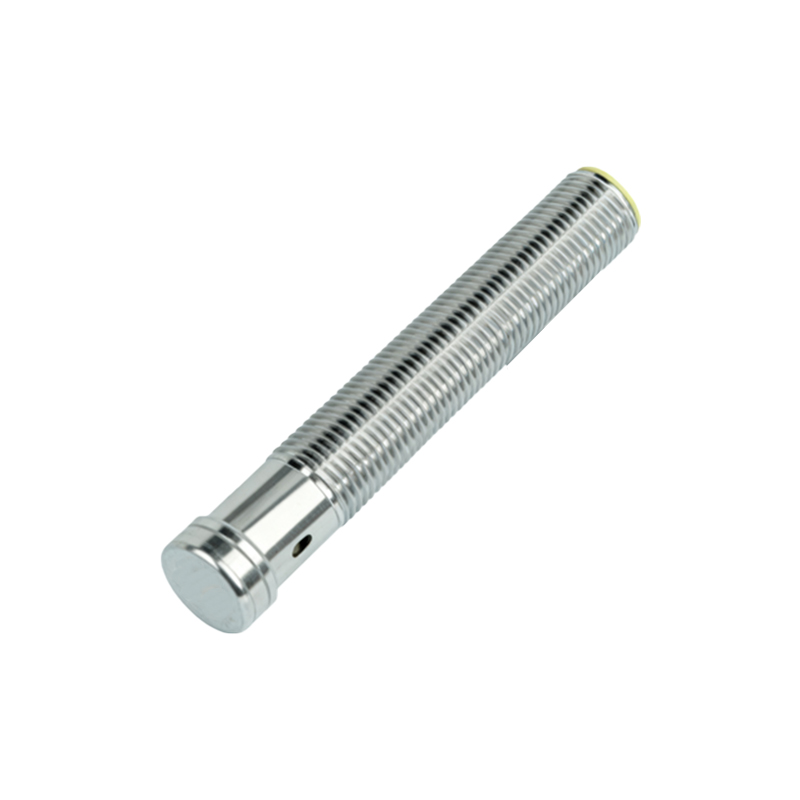
Typical applications span across various industries. In automotive manufacturing, they are used for door and hood open/close detection, seat position sensing, and gearbox position verification. In material handling, they monitor the position of pallets, lifts, and automated guided vehicles (AGVs). A classic use case is in hydraulic or pneumatic cylinders, where a magnet embedded in the piston is detected by a sensor mounted externally on the cylinder barrel, providing precise end-of-stroke feedback without penetrating the cylinder wall. They are also prevalent in safety systems as limit switches on guards and doors, in packaging machinery for cap detection, and in conveyor systems for counting or sorting ferrous items.
Selecting the right magnetic inductive proximity sensor requires careful consideration of several parameters. The sensing distance is critical and is typically shorter than that of standard inductive sensors; it must account for the magnet's strength and alignment. Switch type (Normally Open/NO or Normally Closed/NC) must match the control logic. Output configuration (PNP/NPN, analog, or IO-Link) must be compatible with the controller's input card. The housing material (stainless steel, PBT plastic, nickel-plated brass) should withstand the environmental chemicals, temperatures, and mechanical impacts. Electrical characteristics like voltage range, current rating, and protection circuits (short-circuit, reverse polarity) are vital for system integrity. For cylinders, specific cylinder sensor designs that clamp onto standard profiles are available. Finally, the choice of the magnet itself—its size, shape, magnetic field strength, and temperature stability—is integral to reliable system performance. Engineers must ensure the magnet's field is sufficient to trigger the sensor at the required distance, even considering possible magnetic shielding from surrounding ferrous structures.
Installation and alignment are crucial for consistent operation. The sensor and magnet must be positioned correctly relative to each other's active poles. Axial, lateral, and head-on sensing orientations each have different characteristic curves. Vibration or shock can cause misalignment, leading to intermittent faults. Using sensors with built-in LED status indicators greatly aids in commissioning and troubleshooting.
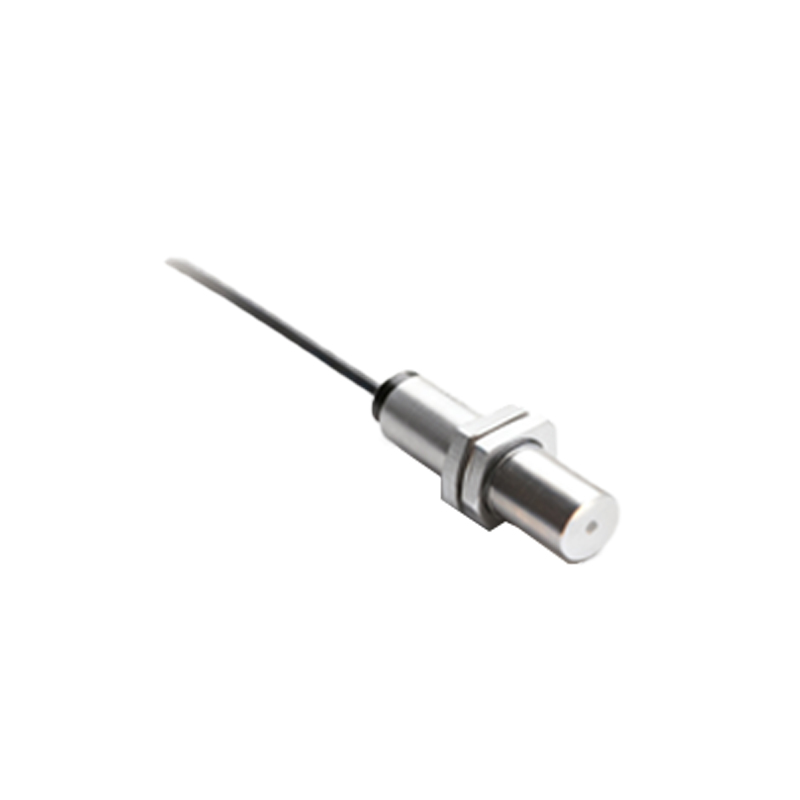
In summary, magnetic inductive proximity sensors provide a simple, extremely durable, and versatile solution for position sensing where reliability in tough environments is paramount. By understanding their operating principle, leveraging their unique advantages, and carefully selecting and installing the sensor-magnet pair, engineers can design robust and maintenance-free detection points that enhance the efficiency and safety of automated systems.