In modern electrical and automation systems, face proximity sensors, often referred to as facial recognition proximity sensors or capacitive proximity sensors for facial detection, play a critical role in user interface, security, and safety applications. An "abnormal" status or reading from such a sensor is a significant event that requires immediate technical attention. This article delves into what this abnormality signifies, its common causes, and the implications for system operation.
Fundamentally, a face proximity sensor is designed to detect the presence or approach of a human face within a specific range without physical contact. It typically operates using technologies like infrared (IR), time-of-flight (ToF), or structured light. In security systems, it might activate a facial recognition scan; in consumer electronics, it might turn off a display during a phone call to save power. When the sensor is reported as "abnormal," it indicates a deviation from its expected operational parameters. This is not a specific error code but a category of malfunctions.
The meaning of an abnormal sensor reading can be broken down into several key failure modes. The most common is a Complete Failure to Detect. The sensor does not register a face even when one is well within its calibrated detection field. This renders the dependent functionality, such as automatic screen locking or presence-based lighting, completely inoperative. Conversely, a False Positive Detection is equally problematic. Here, the sensor triggers a "face detected" signal when no face is present. This can lead to erratic behavior, like a smartphone screen turning off randomly or a security system logging incorrect access attempts.
Another critical abnormality is Inconsistent or Erratic Readings. The sensor's output may fluctuate wildly, providing unstable distance or presence data. This often points to issues with signal integrity or environmental interference. Lastly, a Calibration Drift or Out-of-Range Signal indicates that the sensor's output values are no longer within the manufacturer's specified tolerances, even if it is somewhat functional. It may detect a face but at the wrong distance, leading to mistimed or incorrect system responses.
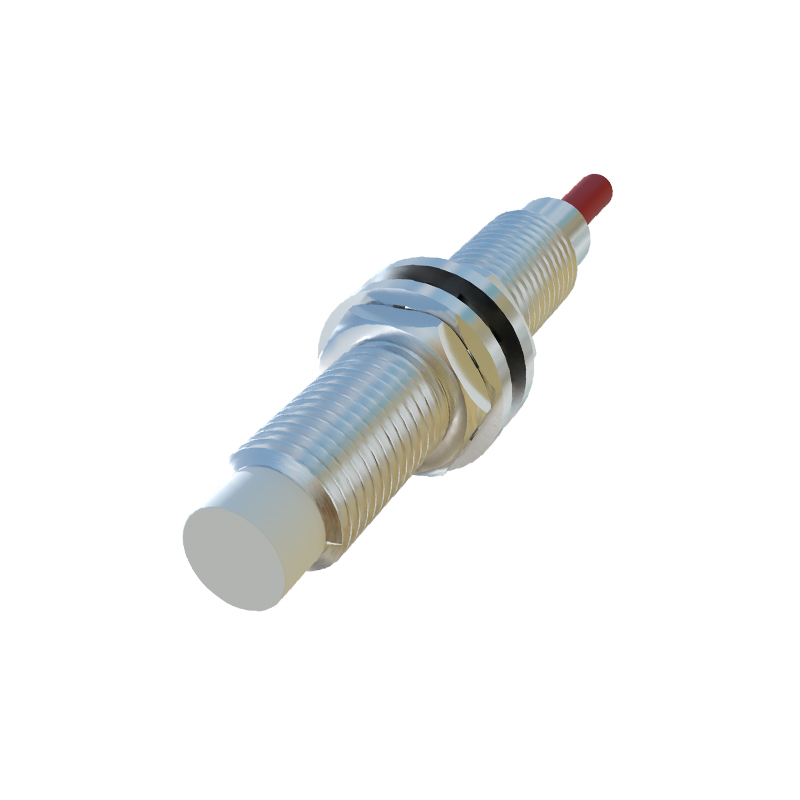
The root causes of these abnormalities are multifaceted. Hardware Degradation or Damage is a primary suspect. Physical obstructions like dirt, grease, or a cracked protective lens over the sensor module can scatter or block the emitted and received signals. Internal component failure, such as a damaged IR LED, photodiode, or the sensor's control IC, will directly cause malfunction. Environmental factors are also major contributors. Strong ambient light, especially infrared from sunlight or heaters, can saturate the sensor. Extreme temperatures can affect electronic component performance and the properties of the materials in the sensor's optical path.
Electrical Issues within the system cannot be overlooked. Voltage fluctuations, poor grounding, or noise on the power supply line can corrupt the sensitive analog or digital signals of the sensor. A loose, corroded, or damaged connector in the wiring harness between the sensor and the main controller is a very common source of intermittent abnormalities. From a software perspective, Firmware Corruption or Configuration Errors can lead to the sensor being misinterpreted as abnormal. An incorrect calibration data set, a bug in the driver software, or an incompatible firmware update can all cause the system to flag the sensor's state incorrectly.
The implications of an abnormal face proximity sensor vary by application but are generally serious. In an industrial safety system, a failure to detect a person's approach to a hazardous machine could lead to severe injury. In security and access control, false negatives (failure to detect) compromise security, while false positives create nuisance alarms and logs. In consumer devices, it degrades user experience and battery life. Therefore, diagnosing an "abnormal" status is a priority.
Troubleshooting should follow a systematic approach. Begin with a Visual Inspection for physical damage, contamination, or loose connections. Perform a Basic Functional Test in a controlled environment, shielding the sensor from strong ambient light if possible. Use diagnostic tools, such as an oscilloscope, to check the power supply quality and signal output at the sensor's terminals. Consulting the device's Technical Manual or Error Code Log is essential, as "abnormal" might be a generic flag for more specific internal error codes. Re-calibrating the sensor using the manufacturer's prescribed procedure can sometimes resolve software-related drift. If hardware failure is confirmed, replacement of the sensor module is typically required.
In conclusion, an "abnormal face proximity sensor" is a diagnostic indicator of a fault that prevents the sensor from performing its intended detection function reliably. It is a symptom with potential causes ranging from simple dirt to complex electrical failures. For engineers and technicians, understanding this signal is the first step in restoring system integrity, ensuring safety, and maintaining operational reliability. Prompt and accurate diagnosis is key to minimizing downtime and risk in any system dependent on this sophisticated sensing technology.