In the demanding environment of a modern concrete batching plant, reliability, precision, and safety are non-negotiable. Among the myriad of components ensuring seamless operation, proximity switch sensors stand out as critical, yet often underappreciated, workhorses. These non-contact sensing devices are pivotal in automating processes, preventing equipment damage, and ensuring batch consistency. This article delves into the technical specifications, applications, and selection criteria for proximity switches within the harsh context of batching plant operations.
Proximity sensors, fundamentally, detect the presence or absence of a metallic target without physical contact. They operate on principles such as electromagnetic induction (inductive type), capacitance, or magnetism. In batching plants, inductive proximity switches are predominantly used due to their robustness against dust, moisture, and their specific sensitivity to metals—ideal for detecting mixer blades, gate positions, aggregate bin levels, and conveyor system components. A key advantage is their ability to function reliably despite the pervasive presence of concrete dust, vibration, and temperature fluctuations, common challenges in these facilities.
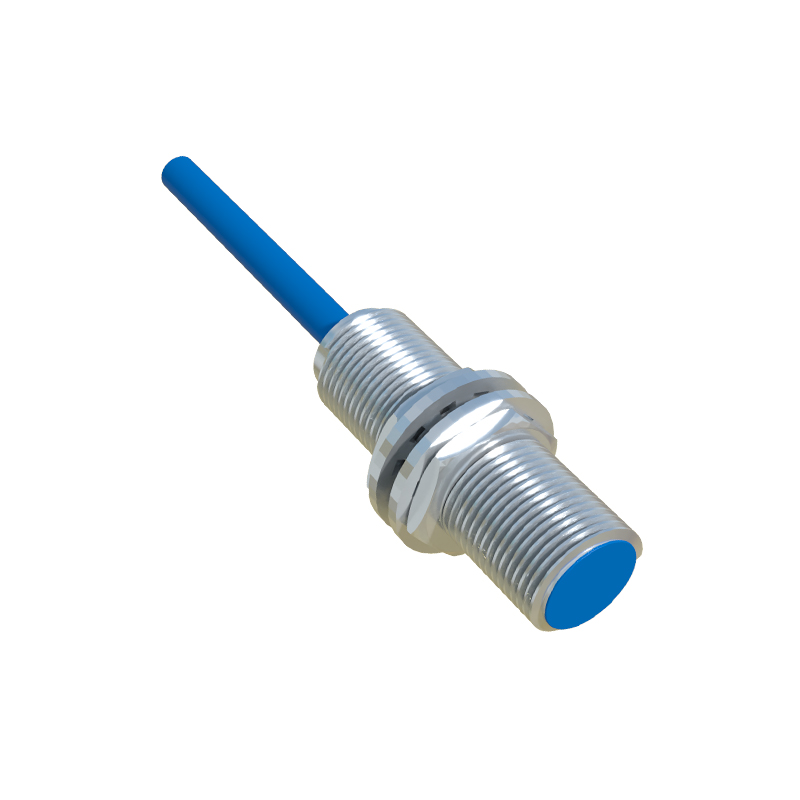
A primary application is in material handling and gate control. For instance, on aggregate and cement silo discharge gates, proximity sensors provide precise feedback on whether a gate is fully open or securely closed. This feedback is integral to the plant's Programmable Logic Controller (PLC), ensuring that material sequencing occurs correctly. A failure here could lead to incorrect batching ratios, resulting in substandard concrete or costly material waste. Similarly, on conveyor systems, these sensors monitor the position of shuttle conveyors or detect blockages, preventing mechanical jams and potential motor burnout.
Within the mixer itself, proximity switches play a vital role in operational safety and maintenance. They are often installed to confirm the orientation and position of the mixer blades or the discharge chute. Before initiating a mixing cycle or opening a discharge gate, the PLC must receive a signal verifying the chute is in the correct "load" or "discharge" position. This prevents catastrophic events where concrete could be discharged into an incorrect area. Furthermore, sensors can monitor the rotational speed or position of the mixer drum, providing data for predictive maintenance to identify bearing wear before a failure causes unplanned downtime.
Selecting the right proximity switch for a batching plant requires careful consideration of several technical parameters. The sensing distance, or "switching distance," must be chosen with a safety margin, considering potential build-up of material on the target. The housing material is critical; sensors with stainless steel or nickel-plated brass housings and PTFE-coated sensing faces offer superior resistance to abrasion from aggregate dust and chemical corrosion from cement. Ingress Protection (IP) ratings of at least IP67 are mandatory to withstand high-pressure washdowns. Temperature rating must account for both ambient conditions and proximity to hot equipment. Finally, the output type (typically PNP or NPN) must be compatible with the plant's existing control system architecture.
Installation and maintenance, though straightforward, demand attention. Sensors must be securely mounted to withstand constant vibration. The sensing face must be kept clean of accumulated grime, which can reduce the effective sensing range. Regular functional checks should be part of the plant's preventative maintenance schedule. While these sensors are designed for longevity, the extreme environment means they are consumable items; having spares of critical sensors minimizes production interruptions.
In conclusion, proximity switch sensors are indispensable for the automated, efficient, and safe operation of concrete batching plants. Their role in providing accurate positional feedback to the control system underpins the entire batching process, from material handling to final discharge. A strategic approach to their selection, installation, and maintenance directly contributes to plant uptime, product quality, and operational safety. As batching plants evolve with Industry 4.0 trends, these sensors will continue to be foundational elements, feeding vital data into broader plant analytics and IoT platforms for even smarter, more resilient operations.