Proximity sensors are indispensable components in modern industrial automation and control systems. These non-contact sensing devices detect the presence or absence of an object within a defined range without any physical contact. Their primary function is to provide a reliable, high-speed signal to a programmable logic controller (PLC) or other control unit, triggering subsequent actions in a machine or process line. The core principle involves generating an electromagnetic field or beam and monitoring changes in that field caused by a target object. This fundamental operation translates into several critical roles across manufacturing and processing industries.
One of the most significant functions of proximity sensors is object detection and positioning. On assembly lines, they verify the presence of components, confirm correct positioning for robotic arms, and count items as they pass by. For instance, in automotive manufacturing, inductive proximity sensors detect metal parts like engine blocks or chassis components, ensuring they are correctly located for welding or assembly. This prevents misalignment and costly production errors. Similarly, capacitive sensors can detect non-metallic materials like plastic, glass, or liquids, making them ideal for packaging, bottling, and woodworking applications.
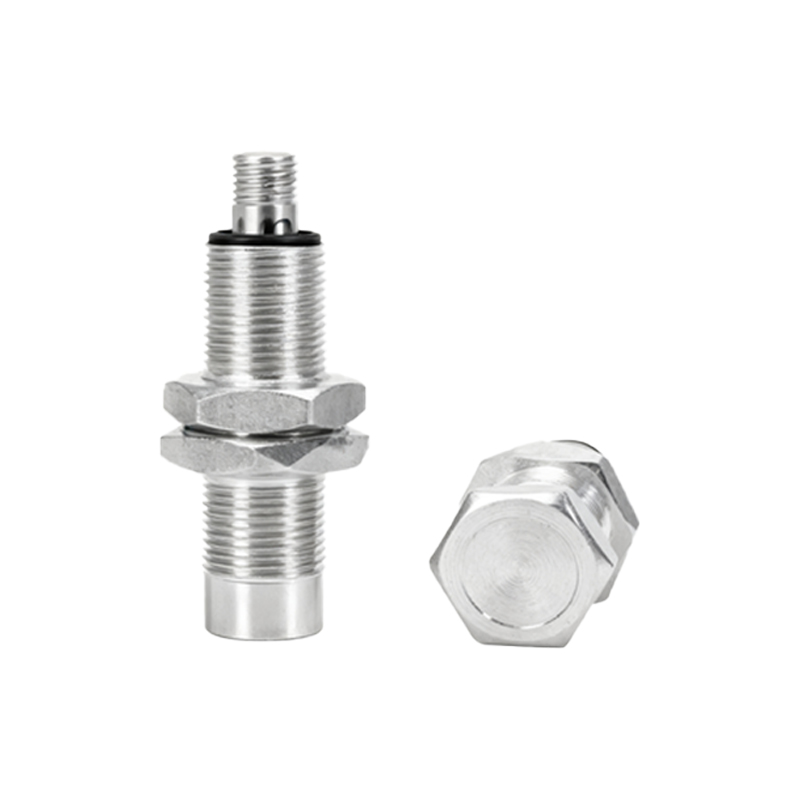
Another vital role is providing safety and limit control. Proximity sensors act as limit switches to define the safe travel boundaries for moving parts like machine tool slides, elevator cars, or automated guided vehicles (AGVs). By signaling when a component reaches its endpoint, they prevent over-travel and potential mechanical damage or safety hazards. In safety-critical applications, such as robotic work cells, multiple sensors create protective zones, instantly halting robot motion if an operator enters a dangerous area, thereby enhancing workplace safety.
Speed and rotational monitoring is a further key application. By detecting features on a rotating shaft, gear, or fan blade, proximity sensors can calculate rotational speed (RPM) or monitor for underspeed/overspeed conditions. This is crucial for monitoring conveyor belt speeds, motor performance, and turbine operations. Detecting a drop below a set speed threshold can trigger an alarm for maintenance, preventing downtime or catastrophic failure in critical machinery.
Furthermore, these sensors contribute significantly to quality control. They can detect flaws such as missing parts, incorrect fill levels in containers, or even the presence of metallic contaminants in food products. In metal stamping, a sensor can verify that a part has been properly ejected from a die. This real-time inspection allows for immediate rejection of faulty products, maintaining high-quality standards and reducing waste.
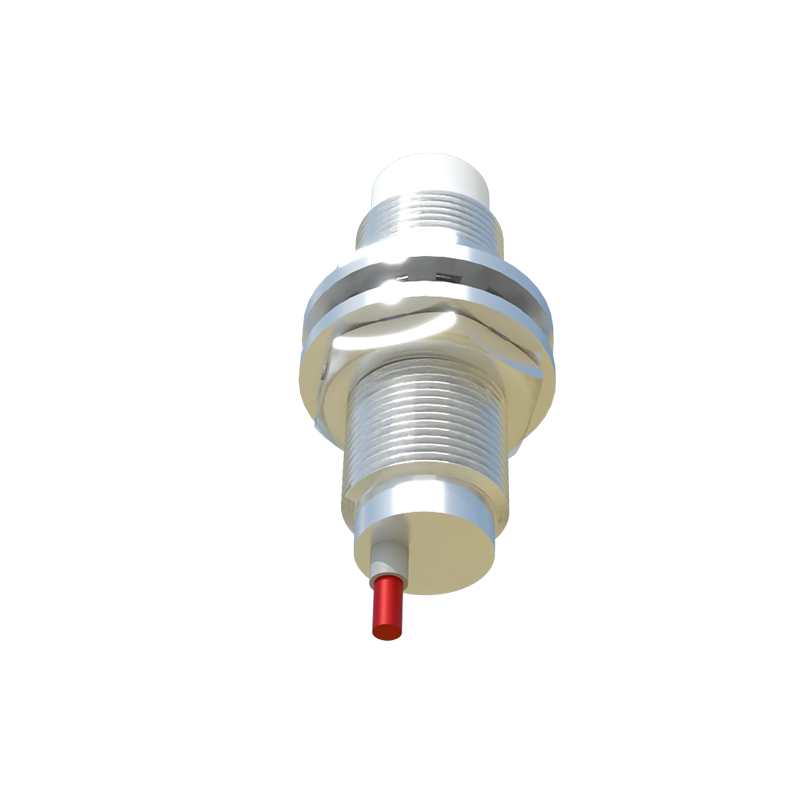
The choice of sensor type—inductive, capacitive, ultrasonic, or photoelectric—depends on the specific application requirements, including target material, sensing distance, environmental conditions (like dust, moisture, or temperature extremes), and required response speed. Inductive sensors, for example, are robust and excel at detecting metals in harsh environments. Capacitive sensors handle a wider range of materials, including powders and liquids. Photoelectric sensors offer the longest sensing ranges for precise detection.
The advantages over mechanical limit switches are profound. With no moving parts to wear out, proximity sensors offer exceptional longevity and reliability, reducing maintenance needs. Their solid-state design allows for extremely fast response times, often in microseconds, which is essential for high-speed automation. They are also resistant to vibration, contamination, and repeated operation, making them ideal for demanding industrial settings.
In summary, the function of a proximity sensor extends far beyond simple detection. It is a fundamental enabler of automation, providing the essential data points for control, safety, monitoring, and quality assurance. By converting physical presence into an electrical signal with precision and speed, these sensors form the sensory backbone of intelligent manufacturing systems, driving efficiency, safety, and productivity across countless industries from automotive and aerospace to food and beverage and pharmaceuticals. Their continued evolution, including miniaturization and integration with Industrial Internet of Things (IIoT) platforms, ensures they will remain critical components in the factories of the future.