In the realm of industrial automation, reliability and precision are non-negotiable. Among the myriad of components that ensure seamless operation, the inductive proximity sensor stands out for its robustness and simplicity in detecting metallic objects. This article delves into the principles, advantages, and implementation of self-operated inductive metal proximity switches, a cornerstone of modern automated systems.
At its core, an inductive proximity sensor operates on the principle of electromagnetic induction. The sensor generates a high-frequency oscillating electromagnetic field via a coil in its front face. When a metallic object enters this field, eddy currents are induced on the surface of the metal. These currents absorb energy from the oscillator, causing a reduction in the oscillation amplitude. This change is detected by the sensor's circuitry, which subsequently triggers a solid-state output switch. The key characteristic is that it only reacts to ferrous and non-ferrous metals, making it immune to non-metallic substances like plastic, wood, or liquids.
The term "self-operated" or "self-contained" is pivotal here. Unlike some sensor systems that require external amplifiers or complex controllers, a self-operated inductive proximity switch integrates all necessary components—oscillator, detector, output circuit, and power supply connections—into a single, compact housing. This design offers significant benefits. Installation is straightforward, requiring only wiring to a power source. Maintenance is minimal due to the absence of moving parts and mechanical contacts, which are prone to wear. The solid-state output ensures high-speed switching, often in the range of microseconds, and exceptional longevity, with operational life measured in millions of cycles.
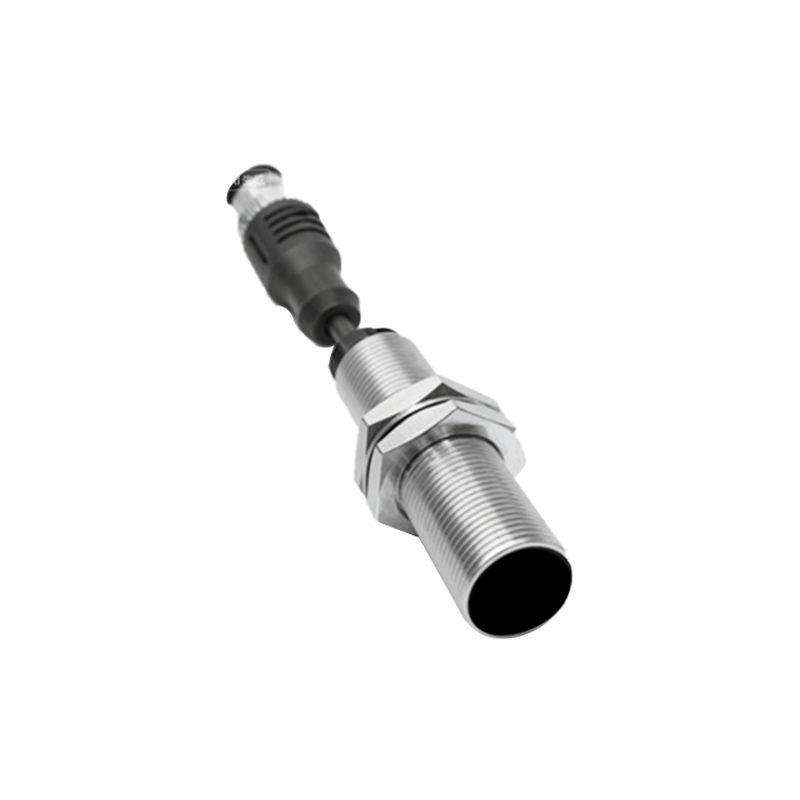
Selecting the right sensor involves several technical considerations. Sensing distance, or nominal range, is specified by the manufacturer and is typically a few millimeters to several tens of millimeters for standard cylindrical models. It is crucial to note that this rating is based on a standard target of mild steel. For other metals like aluminum, copper, or stainless steel, the effective sensing distance is reduced due to differing electrical conductivity and magnetic permeability. Factor of correction, often provided in datasheets, must be applied. Housing material is another critical choice. While nickel-plated brass is common, sensors with stainless steel housings are essential for harsh environments involving coolants, oils, or washdowns. Output configuration—typically NPN (sinking) or PNP (sourcing)—must be compatible with the programmable logic controller (PLC) or input module being used.
Implementation best practices are essential for optimal performance. Proper mounting is the first step. Flush-mountable sensors can be installed level with a metal mounting surface, while non-flush types require a clearance zone free of surrounding metal to achieve their full sensing range. Electrical noise from motors or frequency drives can cause interference; thus, using shielded cables and maintaining a distance from high-power lines is recommended. For applications involving different metals, thorough testing with the actual target material under real conditions is advised to verify consistent detection.

The applications are vast and integral to factory automation. They are used for precise position detection of machine parts, end-of-travel limits on actuators, counting metal products on conveyor lines, verifying the presence of a metal cap on a bottle, or ensuring a metal component is in place before a machining cycle begins. Their ability to function in dirty, oily, or wet environments where optical sensors might fail makes them exceptionally versatile.
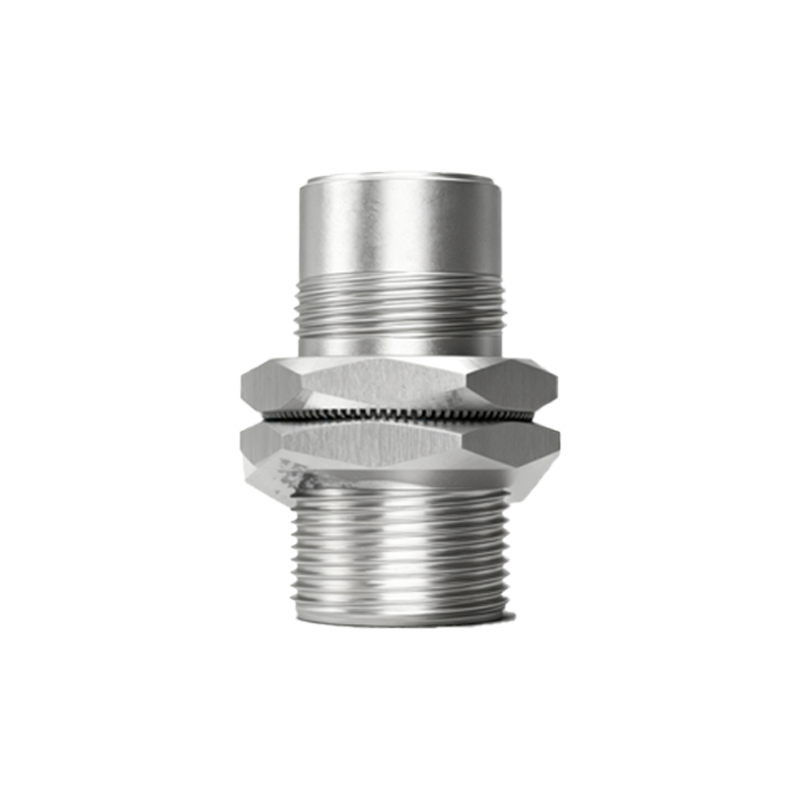
In conclusion, the self-operated inductive proximity sensor is a paradigm of efficient and reliable automation technology. Its non-contact operation, durability, and simple integration make it an indispensable tool for engineers designing and maintaining automated systems. By understanding its operating principles and application nuances, professionals can leverage this technology to enhance system reliability, safety, and productivity, ensuring smooth and uninterrupted industrial operations.