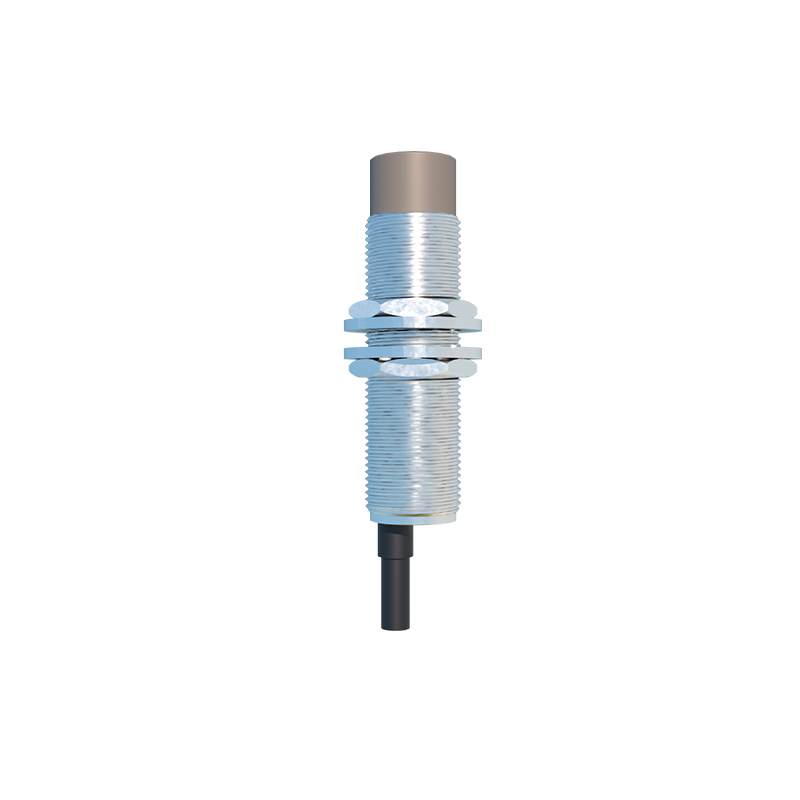
The market for mirror reflection proximity sensors, a critical component in modern industrial automation, exhibits dynamic pricing influenced by a complex interplay of technological specifications, brand positioning, supply chain factors, and regional demand. As an engineer deeply embedded in this field, a nuanced understanding of these cost drivers is essential for making informed procurement and design decisions. This analysis delves into the current price landscape, breaking down the key elements that determine the final cost to the end-user.
Fundamentally, the core technology dictates the base price point. Standard diffuse reflection sensors are generally the most economical, but mirror reflection types, which utilize a separate reflector to bounce the emitted light back to the receiver, command a premium. This premium is justified by their superior performance in detecting highly reflective or low-contrast objects and their extended sensing ranges. Prices begin for basic, non-amplified models with fixed sensing distances (e.g., 0.5m to 2m) in the range of $30 to $80 per unit for volume OEM purchases. Entry-level amplified models with adjustable sensitivity and simple output (PNP/NPN) typically range from $50 to $120.
The price escalates significantly with enhanced features and robustness. Sensors with advanced functionalities such as background suppression (to ignore objects beyond a set distance), precise analog output (4-20mA, 0-10V), or digital interfaces (IO-Link) for diagnostics and parameterization can cost between $150 and $400. The inclusion of specialized housings for extreme environments plays a major role. Units rated for IP67, IP69K, or specific chemical resistance, or those built with stainless-steel housings for washdown or corrosive atmospheres, add 30% to 100% to the base price. High-temperature variants rated for continuous operation above 100°C also carry a substantial surcharge.
Brand reputation and origin are profound influencers. Established global leaders like Sick, Pepperl+Fuchs, Omron, and Banner Engineering occupy the premium tier. Their sensors, renowned for reliability, precision, and extensive technical support, often carry list prices 25-50% higher than mid-range competitors. However, aggressive distributor discounts for large projects can narrow this gap. Mid-tier brands, including numerous European and American manufacturers, offer a balance of performance and cost, with prices 10-30% below the top tier. The most competitive pricing comes from Asian manufacturers, which can undercut premium brands by 40-60%, though this often involves trade-offs in certification completeness, long-term availability, and sometimes consistency in performance under stress.
Supply chain volatility, particularly concerning semiconductor chips and specific optical components, has been a persistent theme post-2020. Lead times, which historically were 4-8 weeks, have sporadically stretched to 20+ weeks for specialized models, creating spot-market premiums. While normalization is ongoing, prices have settled 10-20% above pre-pandemic baselines for many standard models. Bulk purchasing remains the most effective lever for cost reduction. Unit price for a single sensor might be $200, but an order of 500 units could see a per-unit cost of $130, and an order of 5000 units could drive it below $90, depending on the supplier and negotiation.
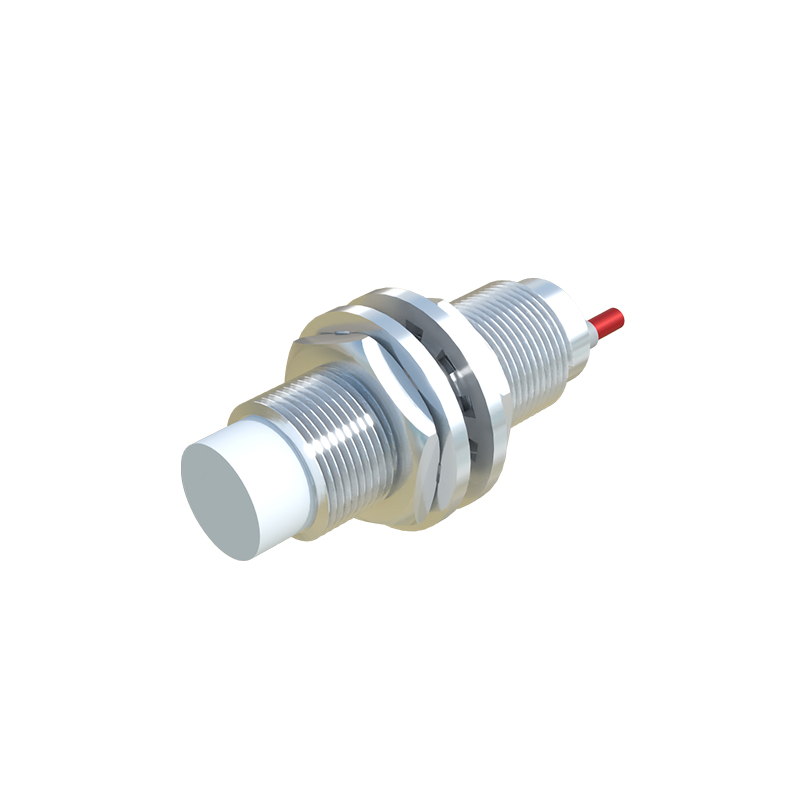
Regional markets also show variation. List prices in North America and Western Europe are generally higher, reflecting higher costs for distribution, certification (e.g., UL, CE), and local support. Markets in Asia, while having lower local brand prices, may see imported premium brands priced even higher due to tariffs and logistics. For project budgeting, engineers must consider the Total Cost of Ownership (TCO), not just the unit price. A cheaper sensor with a higher failure rate can lead to disproportionate costs in downtime, maintenance, and replacement. Therefore, the selection criteria should integrate initial price, expected lifecycle, mean time between failures (MTBF) data, and the cost of integration and support.
In conclusion, the price for a mirror reflection proximity sensor is not a single figure but a spectrum defined by its technical DNA and market context. A basic industrial unit may be procured for under $100, while a feature-rich, ruggedized sensor from a top-tier brand can easily exceed $400. The current market trend points towards stabilization with a slight inflationary bias, driven by material costs and the increasing integration of smart features. For optimal value, engineers are advised to precisely match sensor specifications to the application's actual requirements, leverage volume discounts, and evaluate suppliers on a combination of price, reliability, and support infrastructure.