Proximity sensors are indispensable components in modern industrial automation, offering non-contact detection of objects with high precision and reliability. These sensors operate based on various principles, including inductive, capacitive, ultrasonic, and photoelectric technologies, each tailored to specific applications. The control characteristics of proximity sensors define their performance in automated systems, influencing efficiency, safety, and operational flexibility.
One of the primary control features is the sensing range, which determines the maximum distance at which a sensor can detect an object. Inductive sensors, for instance, excel in detecting metallic objects within short ranges, typically up to 60 mm, making them ideal for metalworking or assembly lines. Capacitive sensors, on the other hand, can detect both metallic and non-metallic materials, such as plastics or liquids, with ranges extending to 40 mm, suitable for packaging or food processing industries. Ultrasonic and photoelectric sensors offer longer ranges, often exceeding several meters, enabling use in material handling or warehouse automation. The selection of an appropriate sensing range ensures optimal system responsiveness without false triggers.
Response time is another critical control characteristic, referring to the delay between object detection and signal output. High-speed proximity sensors, with response times as low as 0.1 milliseconds, are essential in high-throughput environments like automotive manufacturing or electronics production. This rapid response minimizes cycle times and enhances productivity. Additionally, the repeat accuracy of a sensor—its ability to consistently detect an object at the same position—impacts process stability. Sensors with tight tolerances, often within micrometers, reduce variability in precision tasks such as robotic positioning or quality inspection.
Environmental robustness is a key consideration in industrial settings. Proximity sensors are designed to withstand harsh conditions, including temperature extremes, humidity, vibration, and exposure to chemicals or dust. For example, IP67 or IP68-rated sensors provide protection against water and particulate ingress, ensuring reliable operation in washdown areas or outdoor installations. This durability reduces maintenance needs and downtime, contributing to overall system longevity.
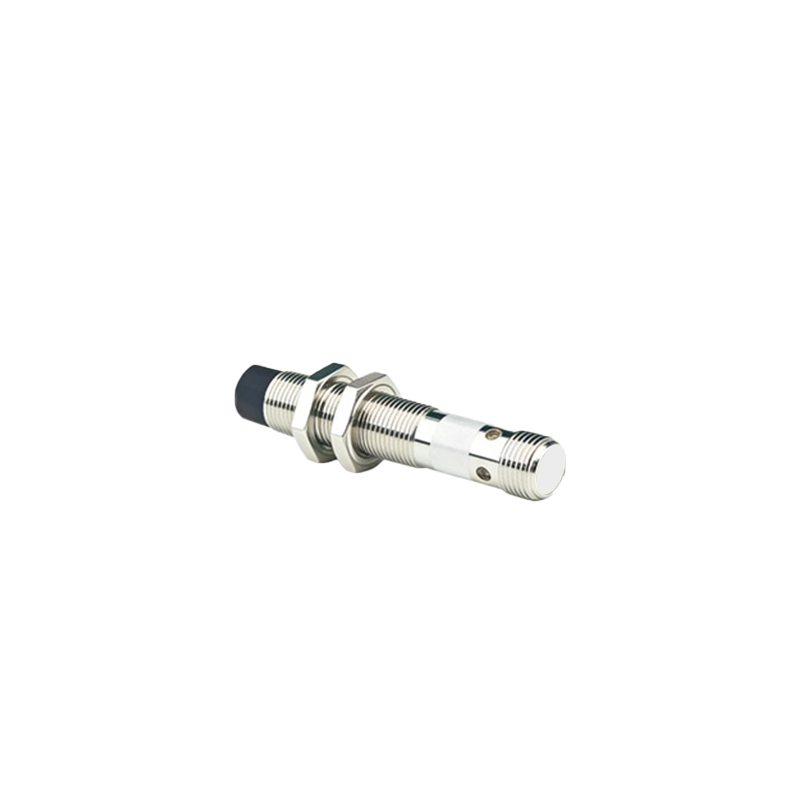
Output configurations play a vital role in integration with control systems. Most proximity sensors offer digital outputs, such as NPN or PNP transistor switches, which interface seamlessly with PLCs (Programmable Logic Controllers) or microcontrollers. Analog outputs, like 4-20 mA or 0-10 V signals, enable continuous monitoring of distance or position, useful in level sensing or thickness measurement applications. Some advanced models feature IO-Link communication, allowing for parameter adjustment, diagnostics, and data exchange in Industry 4.0 environments. This flexibility supports adaptive control strategies and predictive maintenance.
The hysteresis effect, or the difference between switch-on and switch-off points, helps prevent signal oscillation when an object is near the detection threshold. By providing a buffer zone, hysteresis enhances signal stability in dynamic processes, such as conveyor belt tracking or part presence verification. Furthermore, shielding designs in inductive sensors minimize interference from adjacent metal objects, ensuring accurate detection in crowded installations.
In summary, the control characteristics of proximity sensors—including sensing range, response time, environmental resistance, output types, and hysteresis—directly impact their effectiveness in industrial automation. Engineers must evaluate these factors based on application requirements to optimize performance. As technology advances, smart sensors with embedded intelligence are emerging, offering self-calibration, fault detection, and network connectivity. These innovations promise to further enhance control precision and operational efficiency, solidifying the role of proximity sensors in the future of automation.