In the realm of industrial automation and object detection, capacitive proximity sensors stand as a versatile and reliable solution. Unlike their inductive counterparts which detect only metals, capacitive sensors can detect a wide range of materials, including liquids, plastics, wood, glass, and granular substances. This fundamental capability makes them indispensable in diverse applications, from packaging and food processing to level control and material handling.
At its core, a capacitive proximity sensor operates on the principle of capacitance change. The sensor essentially forms one plate of a capacitor, with the target object acting as the other plate. The sensor's internal oscillator generates an electrostatic field. When a target enters this sensing field, it alters the dielectric constant and thus the capacitance of the system. This change in capacitance is detected by the sensor's circuitry, which then triggers a switching output—typically a solid-state PNP, NPN, or relay output—to signal the presence of the object.
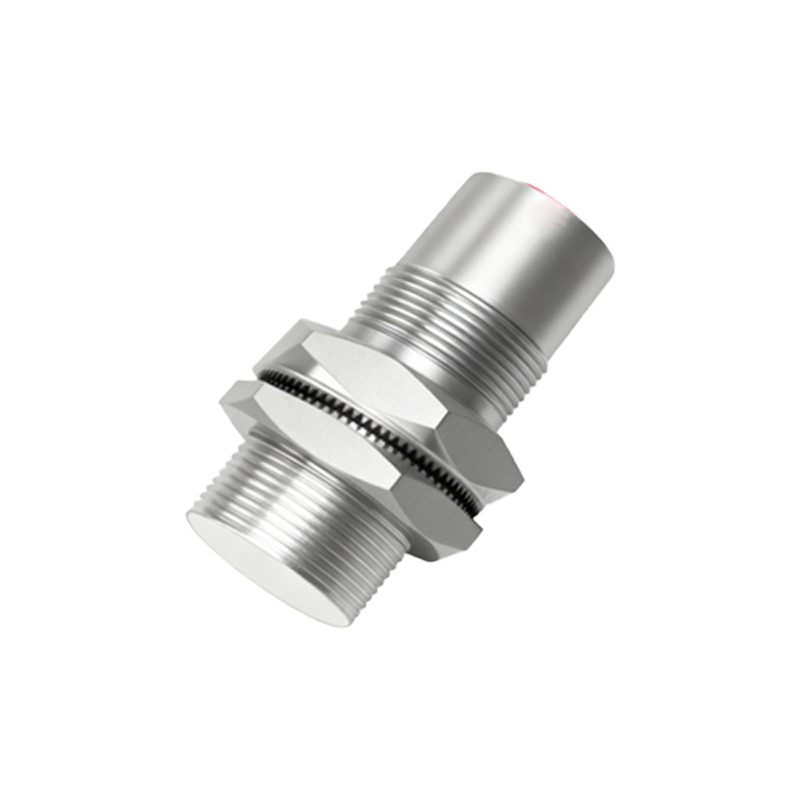
Key components include the sensing face or electrode, the oscillator circuit, the trigger circuit, and the output switching device. Modern sensors often feature adjustable sensitivity, allowing users to fine-tune the sensing range to ignore background materials or containers. This is crucial when detecting materials through a non-metallic barrier, such as monitoring liquid level inside a plastic tank. The sensing distance is generally shorter than that of inductive sensors and is influenced by the target material's size, dielectric constant, and the surrounding environment.
The advantages of capacitive sensors are numerous. Their ability to detect non-metallic objects fills a critical gap in sensing technology. They are excellent for level detection of liquids, powders, and granules, often functioning through container walls. They are also robust, with many models offering high protection ratings (e.g., IP67) for use in harsh, washdown, or dusty environments. However, limitations exist. They can be influenced by environmental factors like humidity, temperature extremes, and contaminants like dust or oil adhering to the sensing face, which may cause false triggering if not properly accounted for.
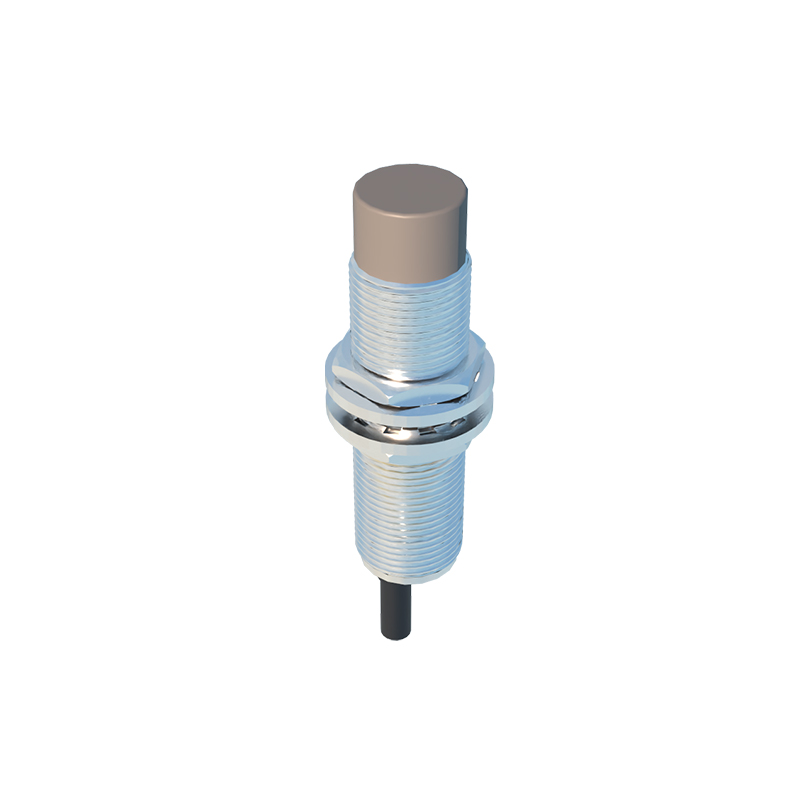
Applications are widespread across industries. In food and beverage, they detect the presence of bottles, cartons, or the level of liquids in transparent containers. In woodworking, they sense wood panels. In chemical plants, they monitor powder levels in silos. A common use case is as a capacitive level switch, preventing overfill or run-dry conditions in tanks. Another is detecting the presence or absence of a product on a conveyor belt, regardless of its material composition.
Selecting the right capacitive sensor requires careful consideration. First, define the target material and its dielectric constant—higher constants (like water) are easier to detect than lower ones (like certain plastics). Determine the required sensing distance and whether non-contact detection through a barrier is needed. Consider the housing material; cylindrical brass or stainless-steel housings are common, but plastic housings are used for specific applications. Output type must match the control system's input (e.g., PLC). Environmental conditions dictate the necessary ingress protection rating. Finally, factors like response frequency, temperature range, and connection type (cable or connector) are vital for seamless integration.
Installation and maintenance are straightforward but critical. Ensure the sensor is mounted securely and that the sensing field is not influenced by surrounding metal or other sensors (maintain proper spacing). Regular cleaning of the sensing face is necessary to prevent buildup that could affect performance. Always refer to the manufacturer's datasheet for specific mounting distances, temperature ranges, and electrical characteristics.
In conclusion, capacitive proximity sensors are powerful tools for solving complex detection challenges involving non-metallic materials and challenging environments. By understanding their operating principle, key features, and application requirements, engineers and technicians can effectively deploy these sensors to enhance automation reliability, improve process control, and increase overall system efficiency. Their flexibility continues to make them a go-to choice for innovative sensing solutions beyond the capabilities of standard inductive or photoelectric sensors.