In the realm of industrial automation and machine design, the ability to detect the presence, absence, or position of an object without physical contact is fundamental. This capability is primarily delivered by two critical sensor families: proximity sensors and photoelectric sensors, often referred to as proximity/photo sensors or distance sensors. While their end goal is similar, their operating principles, strengths, and ideal applications differ significantly. This article delves into the core technologies, compares their functionalities, and provides a framework for selection in various industrial environments.
Proximity sensors are devices that detect the presence of nearby objects through changes in an electromagnetic field. The most common type is the inductive proximity sensor. It generates an oscillating electromagnetic field from its sensing face. When a metallic object enters this field, it induces eddy currents within the metal, causing a change in the oscillation amplitude. This change is detected by the sensor's circuitry, triggering an output signal. Inductive sensors are exceptionally robust, immune to environmental factors like dust, oil, and moisture, and are ideal for detecting metals at short ranges, typically from a few millimeters up to about 60 mm. Another variant is the capacitive proximity sensor, which can detect both metallic and non-metallic materials (plastics, wood, liquids) by sensing changes in capacitance. They are useful in level detection and material handling but can be more sensitive to environmental conditions.
Photoelectric sensors, on the other hand, operate on the principle of light transmission and reception. They consist of an emitter (usually an LED producing visible red, infrared, or laser light) and a receiver. The detection occurs when the target object interrupts or reflects this light beam. There are three primary sensing modes. The through-beam (or opposed) mode uses separate emitter and receiver units. An object is detected when it breaks the beam between them, offering the longest sensing ranges and highest reliability. The retro-reflective mode uses a single unit and a reflector; detection occurs when the object breaks the beam to the reflector. The diffuse (or proximity) mode relies on light reflected directly from the target object back to the receiver within the same housing. This mode is common for close-range detection and can sometimes provide basic distance analog information. Photoelectric sensors excel at longer-range detection (from centimeters to hundreds of meters), can detect virtually any material, and are excellent for color marking, transparency detection, and precise positioning.
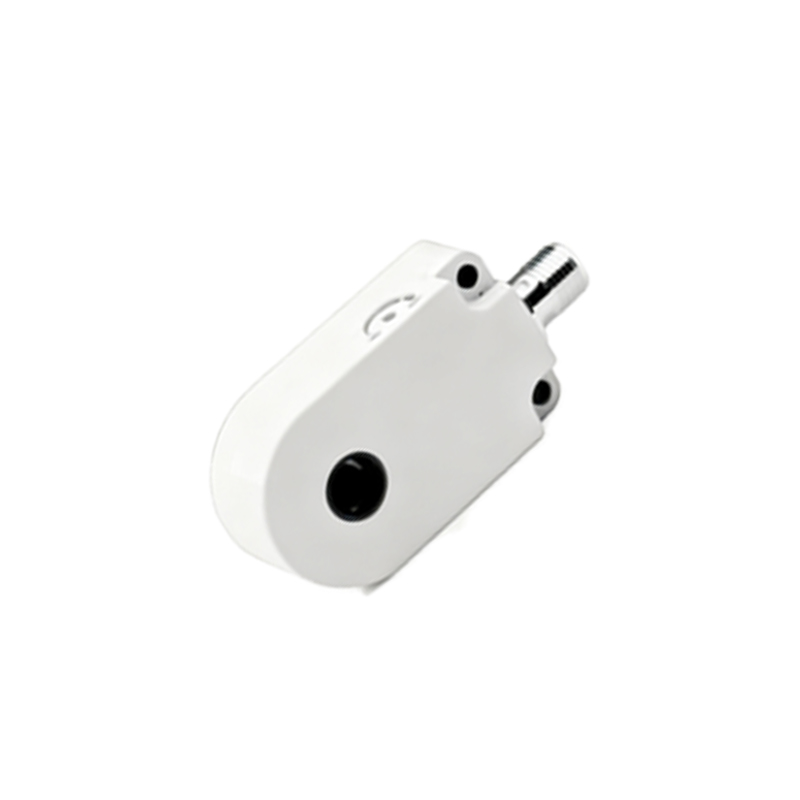
The choice between a proximity sensor and a photoelectric sensor hinges on specific application parameters. Key selection criteria include:
1. Target Material: For ferrous or non-ferrous metals only, inductive proximity sensors are the default choice. For non-metallics, liquids, glass, or any material, photoelectric sensors are necessary.
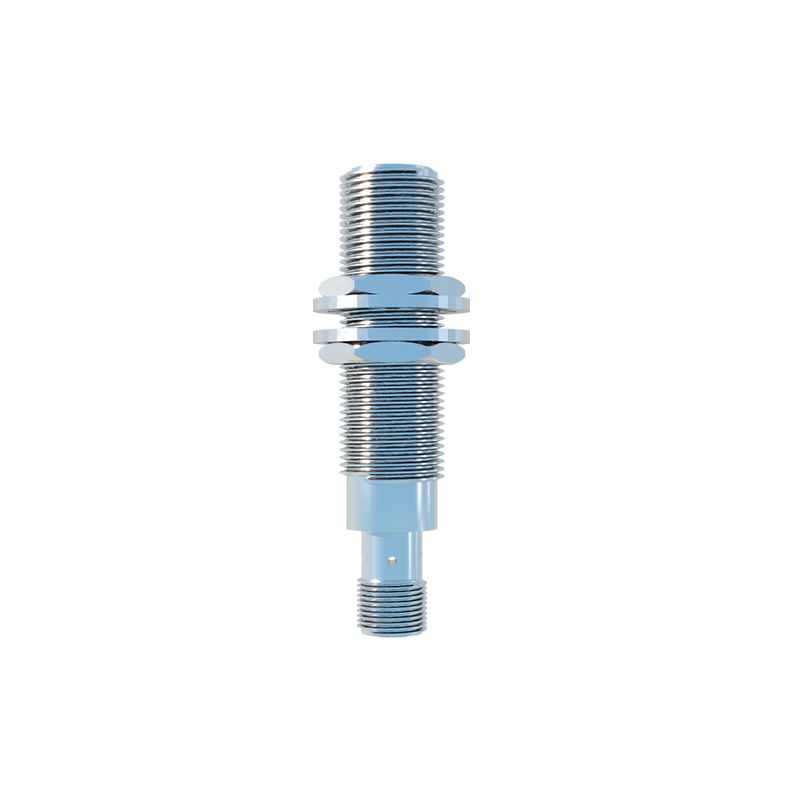
2. Sensing Distance: Short-range, robust detection favors inductive proximity. For medium to long ranges, photoelectric is the only viable option.
3. Environmental Conditions: Inductive sensors are kings in harsh, dirty, wet, or oily environments where photoelectric lenses could become obscured. Photoelectric sensors require a relatively clean optical path, though models with built-in air purge or special coatings are available for challenging conditions.
4. Speed and Precision: Both offer high switching frequencies, but laser-based photoelectric sensors provide superior precision for edge detection or small part positioning.
5. Output Requirements: Both provide standard digital (PNP/NPN) outputs. Many photoelectric and some proximity sensors also offer analog outputs (4-20 mA, 0-10V) proportional to distance, enabling more complex control scenarios, such as monitoring roll diameter or tension control.
Advanced applications often leverage the specific strengths of each. Inductive sensors are ubiquitous on CNC machine tools for tool positioning, in automotive assembly for part verification, and in metal stamping presses. Photoelectric sensors are indispensable in packaging lines for label detection, in material handling for box counting on conveyors, in the pharmaceutical industry for vial presence checking, and in automated storage and retrieval systems for pallet positioning.
In conclusion, there is no universal "best" sensor. The inductive proximity sensor is a rugged, specialized tool for metallic targets in tough environments. The photoelectric sensor is a versatile, long-range solution for a vast array of materials and complex detection tasks. A thorough analysis of the target, required range, operating environment, and desired output is essential for optimal sensor selection. By correctly applying these non-contact sensing technologies, engineers can build more reliable, efficient, and intelligent automated systems, forming the sensory backbone of modern smart factories and Industry 4.0 initiatives.