In the realm of industrial automation and control systems, proximity sensors are indispensable components, providing non-contact detection of metallic and, in some cases, non-metallic objects. Their pricing is a critical consideration for engineers, procurement specialists, and system integrators. The cost of a proximity sensor is not a single figure but a spectrum influenced by a confluence of technical specifications, environmental factors, and market dynamics. This article delves into the primary elements that determine the price point of these essential devices.
At the core of the price differentiation lies the sensing technology. Inductive proximity sensors, designed to detect ferrous and non-ferrous metals, are generally the most cost-effective option for standard metal detection tasks. Their pricing scales with performance features such as sensing range, switching frequency, and built-in diagnostics. Capacitive sensors, capable of detecting a wider range of materials including liquids, plastics, and wood, typically command a higher price due to their more complex circuitry and calibration requirements. Ultrasonic and photoelectric sensors, offering the longest ranges and versatility in detecting various surfaces and colors, sit at the higher end of the price spectrum. The choice of technology directly correlates with the application's needs and, consequently, the budget.
Beyond the core technology, the physical design and construction materials significantly impact cost. The housing material is a prime example. Standard sensors with plastic (PBT) housings are economical, while those requiring robust stainless steel housings for harsh environments—resistant to chemicals, extreme temperatures, or high-pressure washdowns—are considerably more expensive. The level of ingress protection (IP rating) and specific certifications (e.g., ATEX for hazardous areas, IECEx, UL) add layers of engineering and testing, which are reflected in the price. A sensor rated IP67 or IP69K will cost more than one rated IP65 due to the enhanced sealing requirements.
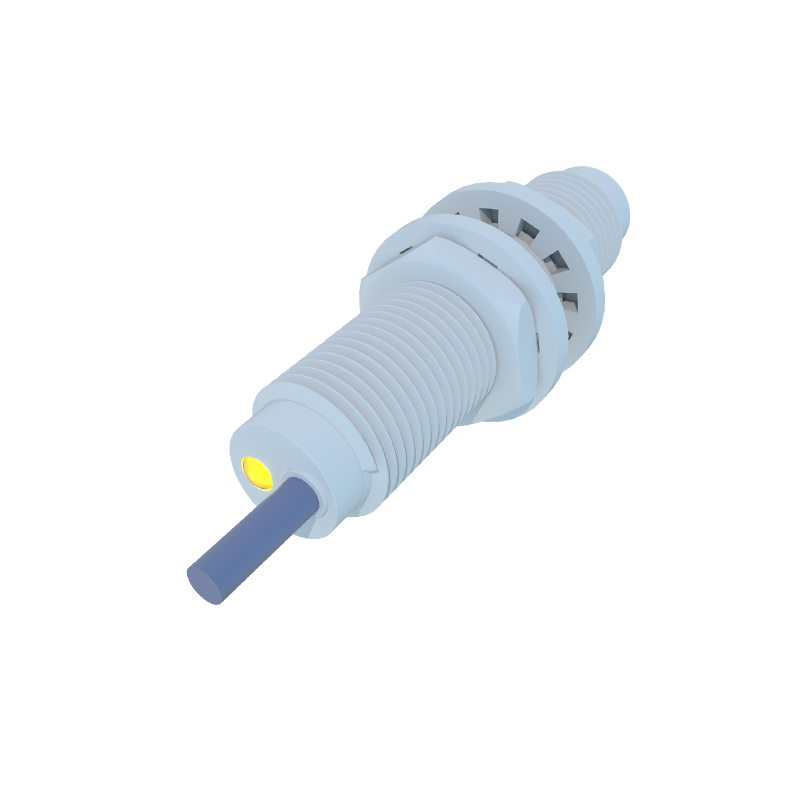
Electrical characteristics and output configurations are another decisive factor. Basic two-wire DC sensors with a simple Normally Open (NO) or Normally Closed (NC) output are the most affordable. Three-wire and four-wire DC sensors, offering more stable performance and separate power and signal lines, come at a premium. Sensors with analog outputs (4-20mA, 0-10V) or advanced digital interfaces (IO-Link) provide valuable process data and diagnostic information, integrating intelligence into the sensor. This added functionality, enabling predictive maintenance and easier integration into Industry 4.0 frameworks, increases the unit cost but can offer substantial long-term value through reduced downtime.
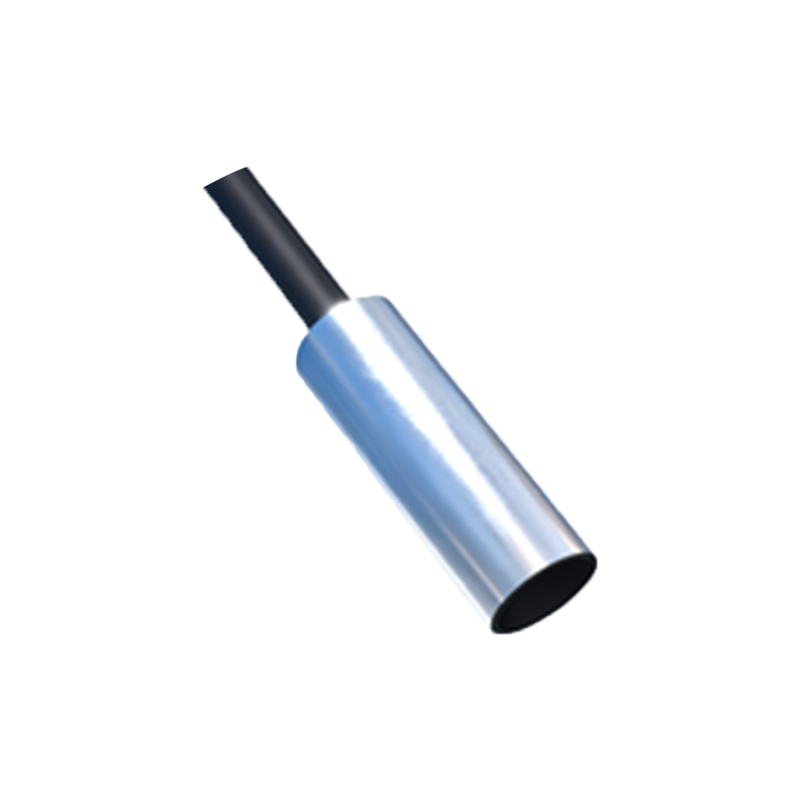
The sensing range and size (form factor) also play a role. Miniature sensors, such as M8 or M5 threaded barrels, often have a higher cost-per-unit due to the precision required in manufacturing their compact components. Conversely, larger sensors with extended sensing ranges require more material and specialized coils or oscillators. Furthermore, the choice between shielded (flush-mountable) and unshielded (non-flush) designs affects price; shielded sensors, which can be mounted flush in metal without affecting their sensing field, are typically more complex to produce.
Brand reputation, supply chain logistics, and order volume are the final pieces of the pricing puzzle. Established global brands with extensive R&D, proven reliability, and worldwide technical support often price their products higher, justified by reduced risk of failure and comprehensive warranties. Lead times and geographic availability can cause price fluctuations. Most importantly, unit price decreases significantly with volume purchases, making project costing different from one-off replacements.
In conclusion, evaluating the price of a proximity sensor requires a holistic view of the application. A cheaper sensor may lead to higher total cost of ownership if it fails prematurely or causes production stoppages. Therefore, the optimal procurement strategy balances initial purchase price with technical suitability, environmental resilience, required features, and the long-term operational reliability essential for modern industrial systems. Engineers must specify sensors that meet the exact operational demands, ensuring cost-effectiveness over the asset's entire lifecycle.