In the realm of industrial automation and smart systems, object proximity light sensors are indispensable components for detection, positioning, and control. These sensors operate by emitting light—typically infrared, visible, or laser—and measuring the reflection or interruption caused by an object within a defined range. Unlike contact sensors, they enable non-invasive, high-speed detection, making them ideal for harsh or precision-demanding environments. This article explores the primary types of object proximity light sensors, their working principles, and key applications across industries.
The most common type is the Diffuse Reflective Sensor. It integrates both a light emitter and a receiver in a single housing. The emitter projects a light beam toward a target area; when an object enters this area, it reflects part of the light back to the receiver, triggering a detection signal. These sensors are simple to install and cost-effective but can be influenced by the object’s color, surface texture, and environmental light. For instance, dark or absorbent surfaces may reflect insufficient light, requiring sensitivity adjustments or specialized models.
Through-Beam Sensors, also known as opposed-mode sensors, consist of separate emitter and receiver units placed opposite each other. The emitter sends a continuous light beam to the receiver. An object passing between them interrupts the beam, causing the receiver to detect a drop in light intensity and output a signal. This design offers long detection ranges, high accuracy, and immunity to object surface properties. However, alignment of the two units is critical, and installation may be more complex and costly.
Retroreflective Sensors use a single unit that houses both emitter and receiver, along with a reflector (e.g., a prism or tape) positioned opposite. The emitter’s light beam travels to the reflector and bounces back to the receiver. When an object breaks this reflected beam, detection occurs. These sensors provide longer ranges than diffuse types and are less affected by object color, but they may struggle with shiny objects that could inadvertently reflect light directly.
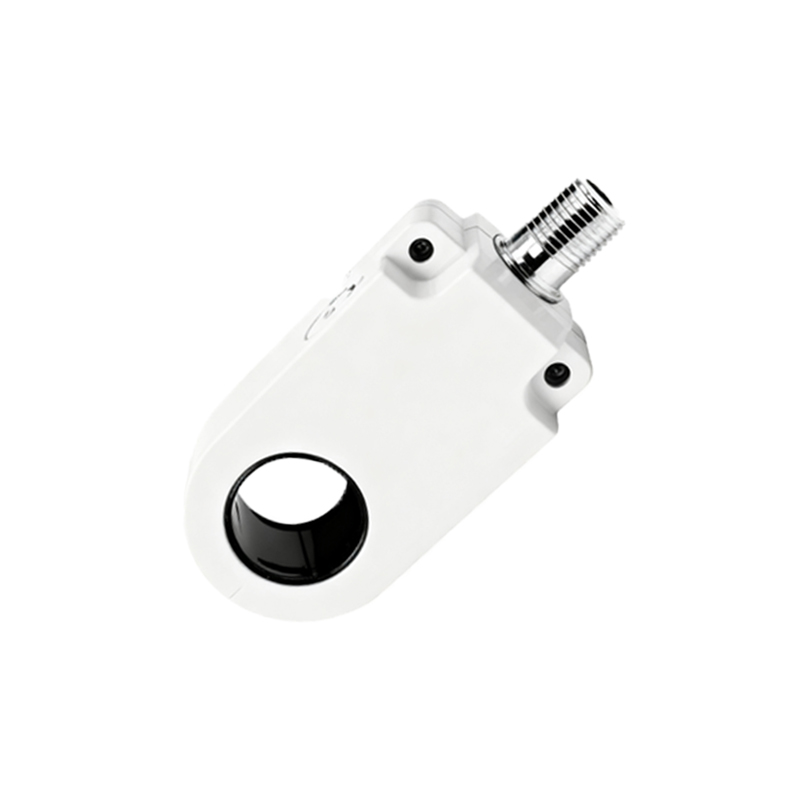
Background Suppression Sensors are a sophisticated variant of diffuse sensors. They employ triangulation or time-of-flight principles to measure distance, allowing them to detect objects only within a specific range while ignoring the background. This is achieved by focusing on the angle or time delay of reflected light. Such sensors excel in applications requiring precise positioning, like detecting objects on a conveyor belt while ignoring the belt itself.
Laser Distance Sensors utilize focused laser beams for highly accurate proximity and distance measurement. Based on phase-shift, triangulation, or time-of-flight techniques, they can detect objects millimeters to meters away with sub-millimeter precision. These sensors are prevalent in robotics, quality inspection, and automated warehousing, where exact positioning is paramount.
Key principles underlying these sensors include modulation of emitted light to reduce ambient interference, analog or digital output options (e.g., NPN/PNP, IO-Link), and adjustable sensitivity. Modern sensors often feature built-in diagnostics, rugged enclosures (IP67/IP69K ratings), and connectivity for Industry 4.0 integration.
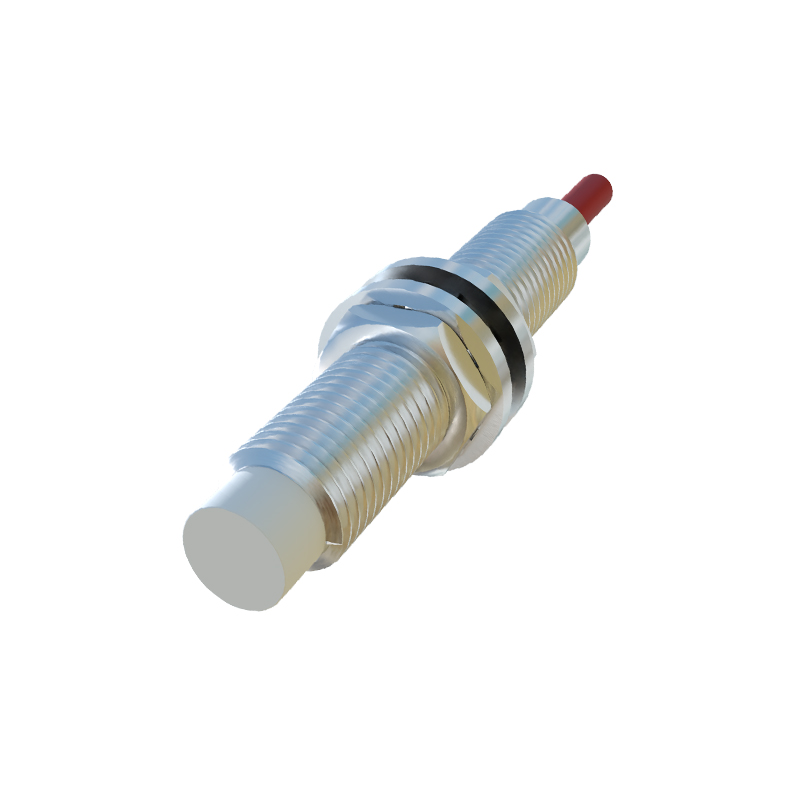
In industrial applications, object proximity light sensors are vital for:
- Manufacturing: Detecting parts on assembly lines, monitoring fill levels, and ensuring robot safety.
- Packaging: Counting products, verifying label placement, and controlling packaging machinery.
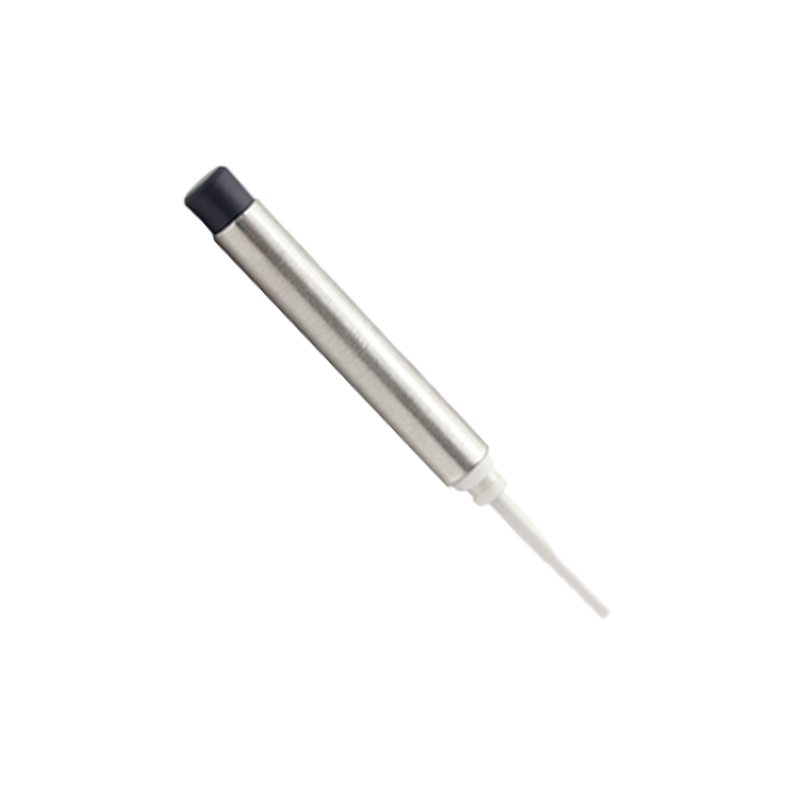
- Automotive: Positioning components during assembly and inspecting vehicle dimensions.
- Logistics: Managing inventory in automated storage systems and guiding autonomous vehicles.
- Safety: Creating light curtains or barriers to protect workers near hazardous machinery.
Selecting the right sensor depends on factors like detection range, object properties (size, material, color), environmental conditions (dust, moisture, temperature), and required response time. Regular maintenance, such as lens cleaning and alignment checks, ensures longevity and reliability.
As technology advances, sensors are becoming smarter with embedded intelligence, enabling predictive maintenance and adaptive control. Innovations in miniaturization and energy efficiency further expand their use in IoT devices and mobile robotics. Object proximity light sensors continue to evolve, driving automation toward greater precision and flexibility.