In the demanding and hazardous environment of mining operations, safety and reliability are paramount. Among the critical components ensuring both operational continuity and worker protection are proximity sensors. Specifically, intrinsically safe (IS) proximity sensors are engineered to perform flawlessly in atmospheres where flammable gases, vapors, or combustible dust may be present. This article delves into the principles, design considerations, and vital applications of these specialized sensors within the mining industry.
The core principle of an intrinsically safe proximity sensor lies in its electrical and thermal energy limitation. Traditional electrical equipment can generate sparks or sufficient heat to ignite a hazardous atmosphere. IS sensors, however, are designed so that any electrical or thermal energy within the device, whether under normal operation or during a fault condition, remains below the threshold required for ignition of a specific hazardous mixture. This is achieved through meticulous circuit design, incorporating current-limiting resistors, Zener barriers, and galvanic isolation. Consequently, these sensors can be safely deployed in Zone 0, 1, or 2 (for gases) and Zone 20, 21, or 22 (for dust) as per ATEX/IECEx standards, which are globally recognized for equipment in explosive atmospheres.
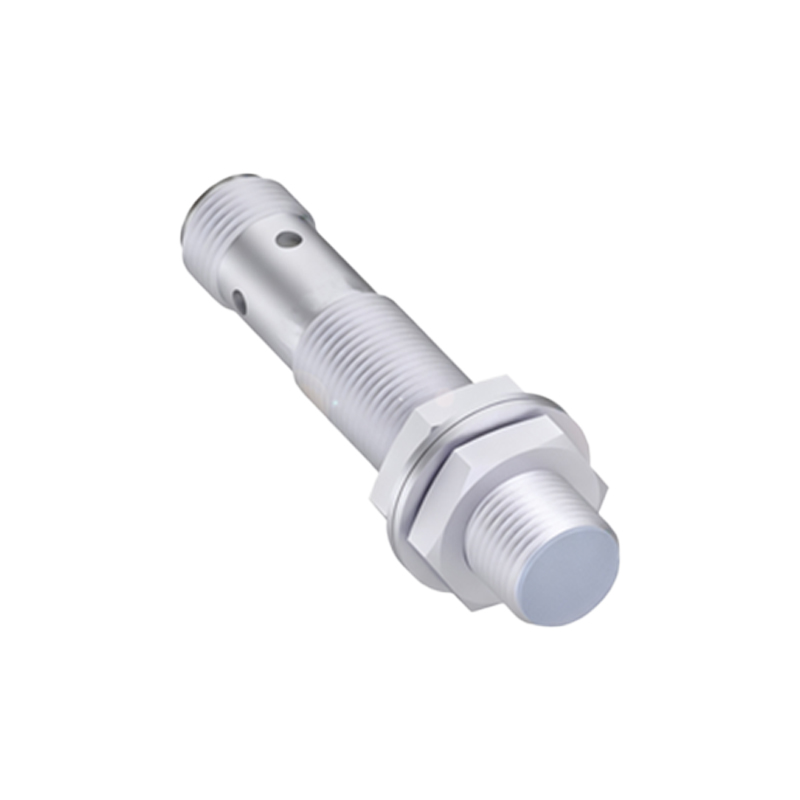
Design and construction of mining-grade IS proximity sensors involve ruggedization to withstand extreme conditions. They are typically housed in robust, corrosion-resistant stainless steel or brass enclosures with high IP (Ingress Protection) ratings, such as IP67 or IP68, ensuring resistance to dust, moisture, and high-pressure water jets. Common sensing technologies include inductive, capacitive, and ultrasonic types. Inductive sensors are predominantly used for detecting metallic objects like drill bits, conveyor components, or machinery parts without physical contact. They generate an electromagnetic field, and the presence of a metallic target alters this field, triggering a switch signal. For non-metallic targets, such as coal or rock on a conveyor, capacitive sensors, which detect changes in capacitance, are employed.
The applications in mining are extensive and critical. On longwall shearers and continuous miners, IS proximity sensors monitor the position of cutting drums and roof supports, preventing collisions and ensuring precise operation. Along conveyor belt systems, they serve as belt misalignment sensors, zero-speed switches to detect belt slippage or breakage, and level sensors for bins and hoppers. In hydraulic systems, they detect the position of cylinders and valves. Within explosion-protected enclosures of control panels, they provide feedback on door status. Their role in predictive maintenance is also growing; by monitoring vibration or position of key components, they help anticipate failures before they cause unplanned downtime.
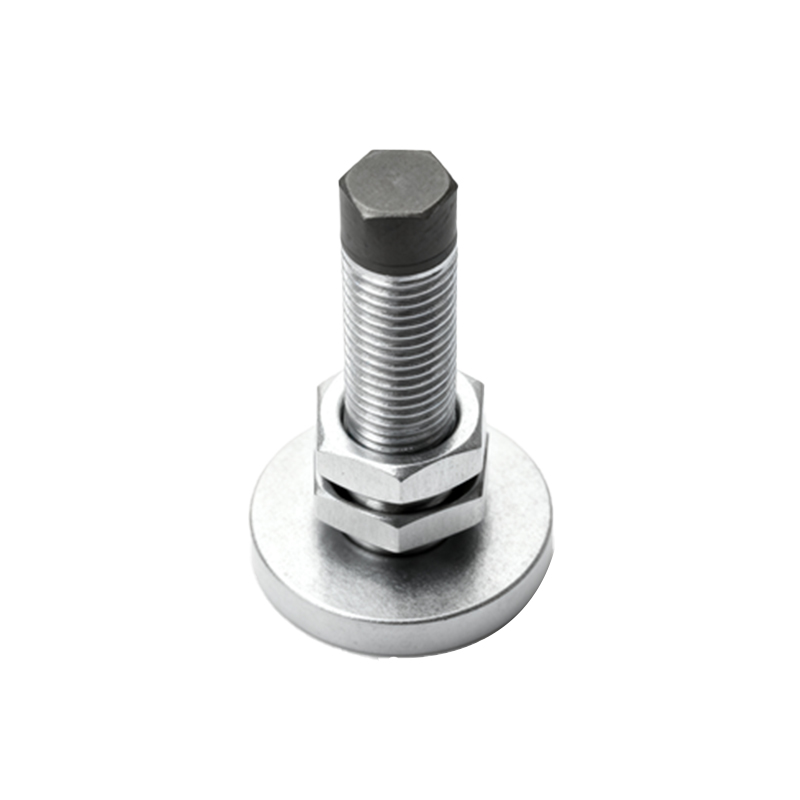
Selecting the right IS proximity sensor requires careful consideration of several factors. First, the sensor must carry the appropriate certification for the specific hazardous zone (e.g., ATEX, IECEx, or MSHA for the U.S.). The sensing range, response frequency, and output type (PNP/NPN, NAMUR, or analog) must match the application requirements. Environmental factors like ambient temperature, potential chemical exposure, and mechanical shock/vibration levels dictate the housing material and robustness. Furthermore, the sensor must be installed and used within its defined parameters and as part of a certified intrinsically safe loop, which includes associated apparatus like barriers or isolators installed in the safe area.
The benefits of implementing intrinsically safe proximity sensors are clear. Primarily, they drastically reduce the risk of explosions, directly protecting personnel and infrastructure. They enhance operational efficiency by enabling automation and precise control of machinery, leading to increased productivity. Their non-contact nature minimizes wear and tear, reducing maintenance costs and downtime. By providing reliable data, they form the backbone of modern, data-driven mining operations, contributing to smarter and safer mining practices.
In conclusion, intrinsically safe proximity sensors are not merely components but essential guardians in mining safety systems. Their sophisticated design, which balances precise sensing with absolute safety in explosive atmospheres, makes them indispensable. As mining technology advances towards greater automation and connectivity, the evolution of these sensors—with features like IO-Link communication for advanced diagnostics and parameterization—will continue to play a pivotal role in shaping the future of safe, efficient, and sustainable mining operations worldwide.