In the realm of industrial automation and control systems, proximity sensors and amplifiers play a pivotal role in ensuring precise detection, reliable operation, and seamless integration. Proximity sensors are non-contact devices designed to detect the presence or absence of objects within a specified range without physical contact. These sensors utilize various technologies, including inductive, capacitive, ultrasonic, and photoelectric principles, each suited to specific applications based on factors such as material composition, environmental conditions, and required sensing distances.
Inductive proximity sensors, for instance, are ideal for detecting metallic objects. They generate an electromagnetic field and respond to changes caused by conductive materials, making them robust in harsh industrial environments with dust, moisture, or vibration. Capacitive sensors, on the other hand, can detect both metallic and non-metallic materials by sensing changes in capacitance, often used in liquid level detection or plastic object recognition. Ultrasonic and photoelectric sensors offer longer sensing ranges and are versatile for diverse object types, though they may be influenced by environmental factors like temperature or ambient light.
The effectiveness of proximity sensors is significantly enhanced when paired with amplifiers. Amplifiers, or signal conditioners, are electronic devices that process the sensor's output signal to improve its quality, stability, and compatibility with control systems. Raw signals from sensors can be weak, noisy, or susceptible to interference, which may lead to false triggers or reduced accuracy. Amplifiers address these issues by amplifying the signal strength, filtering out noise, and converting signals into standardized formats such as analog voltage/current outputs or digital signals like PNP/NPN or IO-Link.
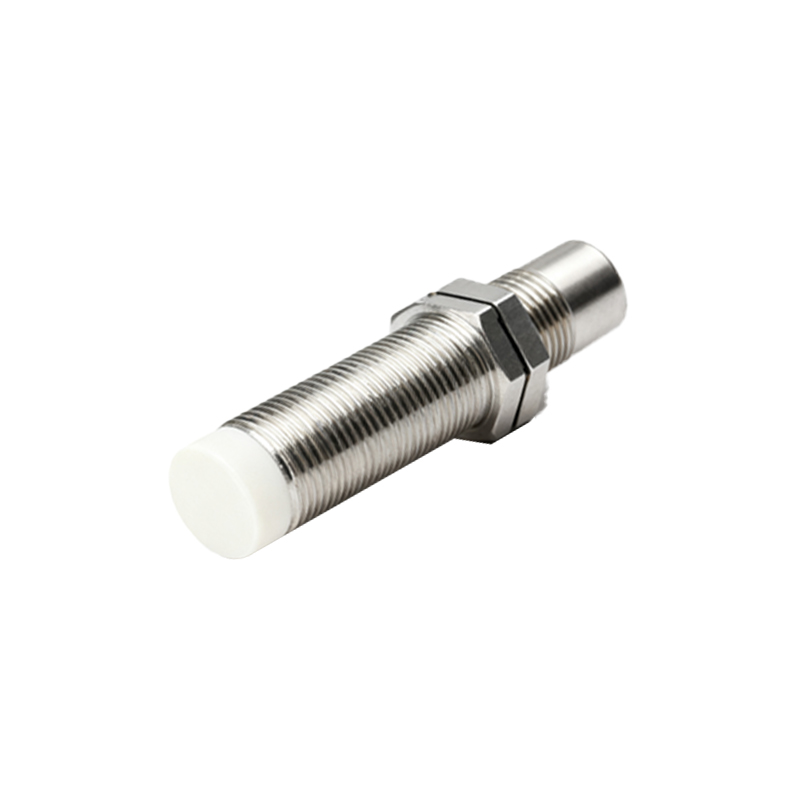
Key benefits of integrating amplifiers with proximity sensors include enhanced sensitivity adjustment, allowing fine-tuning of detection thresholds to avoid missed or erroneous readings. Amplifiers also enable diagnostic functions, providing real-time feedback on sensor health, alignment, or environmental disturbances, which aids in predictive maintenance and reduces downtime. In complex automation setups, amplifiers facilitate seamless communication with programmable logic controllers (PLCs) or industrial networks, supporting protocols like Profinet, EtherNet/IP, or Modbus for centralized monitoring and control.
When selecting proximity sensors and amplifiers, engineers must consider factors such as sensing range, response time, environmental robustness (e.g., IP ratings for dust and water resistance), and power requirements. For example, in automotive manufacturing, inductive sensors with high-speed amplifiers ensure accurate part positioning on assembly lines, while in food processing, capacitive sensors with hygienic amplifiers detect packaging materials without contamination risks. Proper installation and calibration are crucial; misalignment or electrical interference can compromise performance, so following manufacturer guidelines and using shielded cables is recommended.
Emerging trends in this field include the integration of smart sensors with built-in amplifiers and IoT capabilities, enabling data analytics for optimized processes. Additionally, miniaturization and energy-efficient designs are expanding applications in robotics, medical devices, and consumer electronics. As industries advance toward Industry 4.0, the synergy between proximity sensors and amplifiers will continue to drive innovation, offering higher precision, reliability, and connectivity for automated systems.
In summary, proximity sensors and amplifiers form a critical duo in modern electrical engineering, transforming basic detection into intelligent, adaptive solutions. By understanding their principles and applications, professionals can design systems that boost efficiency, safety, and productivity across various sectors.