In the rapidly evolving landscape of industrial automation, laser proximity sensors have become indispensable components for precision detection, positioning, and measurement. As an experienced electrical engineer specializing in sensor technologies, I aim to provide a comprehensive analysis of the factory pricing structures for these devices, elucidating the key factors that influence cost and offering insights into current market dynamics.
The factory price of a laser proximity sensor is not a singular, fixed value but a spectrum determined by a confluence of technical specifications, performance metrics, and manufacturing complexities. At the core, the type of laser source plays a pivotal role. Sensors utilizing Class 1 or Class 2 visible red lasers are generally positioned at the lower end of the price range, suitable for standard applications with moderate accuracy requirements. In contrast, units equipped with Class 1 infrared lasers or, more notably, high-precision laser diodes with refined beam characteristics command a premium. These offer superior performance in terms of spot size consistency, response time, and signal-to-noise ratio, directly correlating with higher manufacturing costs.
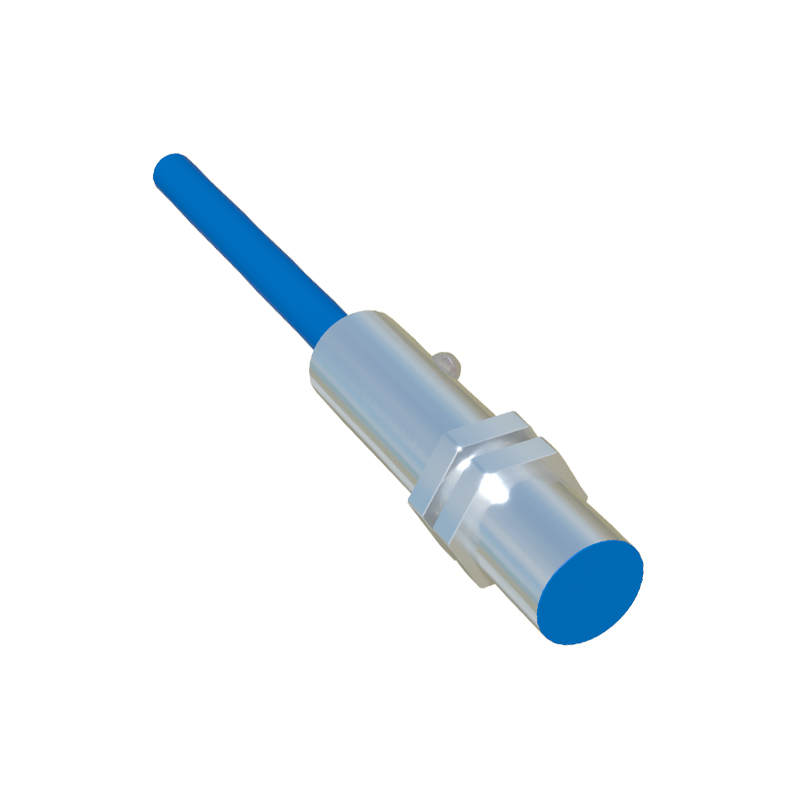
Measurement range and accuracy are the next critical determinants. A sensor with a standard sensing range of 10-300mm will be more cost-effective than a model capable of precise measurement from 2mm to 2 meters. Similarly, a device boasting an accuracy of ±0.1% of the measurement value involves more sophisticated calibration processes and higher-grade internal components (like advanced photodetectors and signal processing ASICs) compared to one with ±1% accuracy, thereby increasing the factory price substantially.
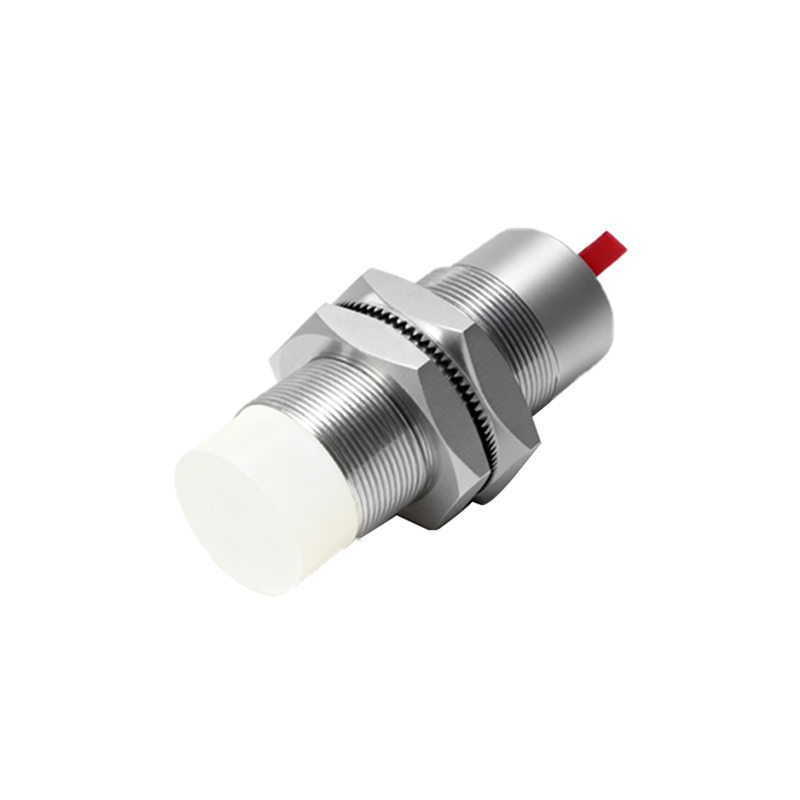
Environmental robustness and housing design significantly impact cost. A sensor with a standard IP67-rated housing, resistant to dust and temporary water immersion, is a baseline for industrial environments. However, models designed for extreme conditions—featuring stainless steel housings, enhanced resistance to corrosive chemicals, wider operating temperature ranges (e.g., -40°C to 70°C), and higher IP69K ratings for high-pressure washdown—incur additional material and sealing technology costs. The choice of connection type, such as a simple cable outlet versus a quick-disconnect M12 or M8 connector, also adds a variable to the base price.
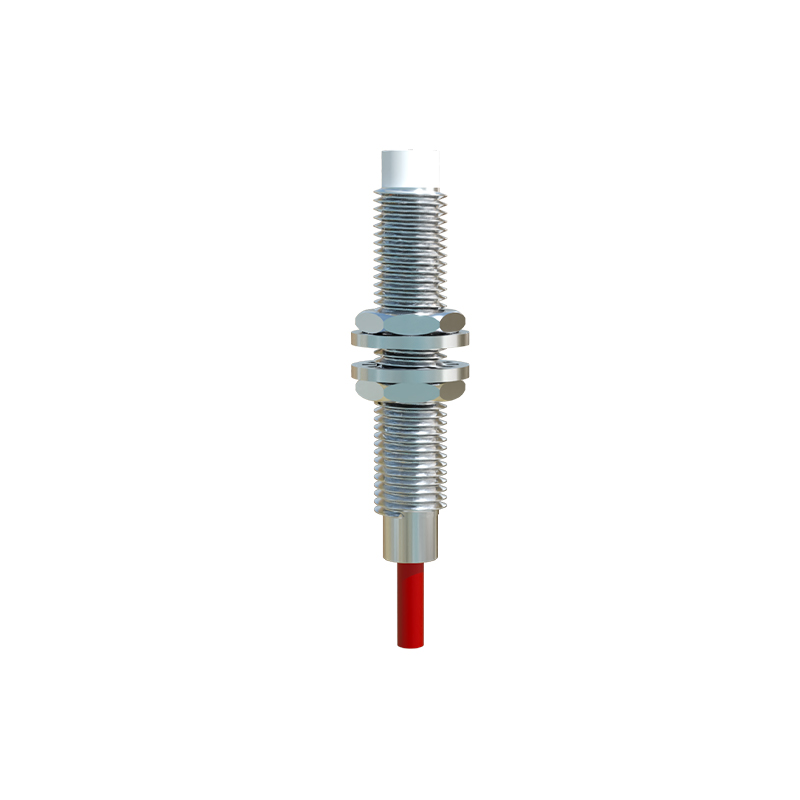
Internal electronics and output configurations are fundamental cost drivers. Basic models with digital (PNP/NPN) switching outputs are the most economical. The integration of analog outputs (4-20mA, 0-10V), IO-Link digital communication, or even PROFINET/EtherNet/IP interfaces for Industry 4.0 connectivity requires more complex circuitry and firmware development, elevating the price. Advanced features like programmable sensing windows, background suppression, and teach-in functionality via software further differentiate premium models from entry-level ones.
From a market perspective, factory prices are also shaped by volume, supply chain logistics, and regional manufacturing hubs. Large OEM orders typically secure substantial discounts due to economies of scale. The global semiconductor shortage and fluctuations in raw material costs (for plastics, metals, and optical components) have introduced volatility, prompting manufacturers to adjust prices. Production in regions with lower labor costs can offer a baseline price advantage, though this is often balanced against the perceived value of brand reputation, quality assurance, and R&D investment from established European, North American, and Japanese manufacturers.
Currently, the market trend is pushing towards smarter, more connected sensors. While this increases the unit factory price, the total cost of ownership (TCO) is often lower due to reduced wiring, easier integration, and predictive maintenance capabilities. For procurement specialists and engineers, the key is to conduct a thorough application analysis. Specifying a sensor with excessive, unused capabilities leads to unnecessary expenditure, while under-specifying can cause system failures and higher long-term costs. Engaging directly with manufacturers or authorized distributors for detailed quotations based on specific technical requirements is the most effective strategy to obtain an accurate factory price that delivers optimal value for the intended application.