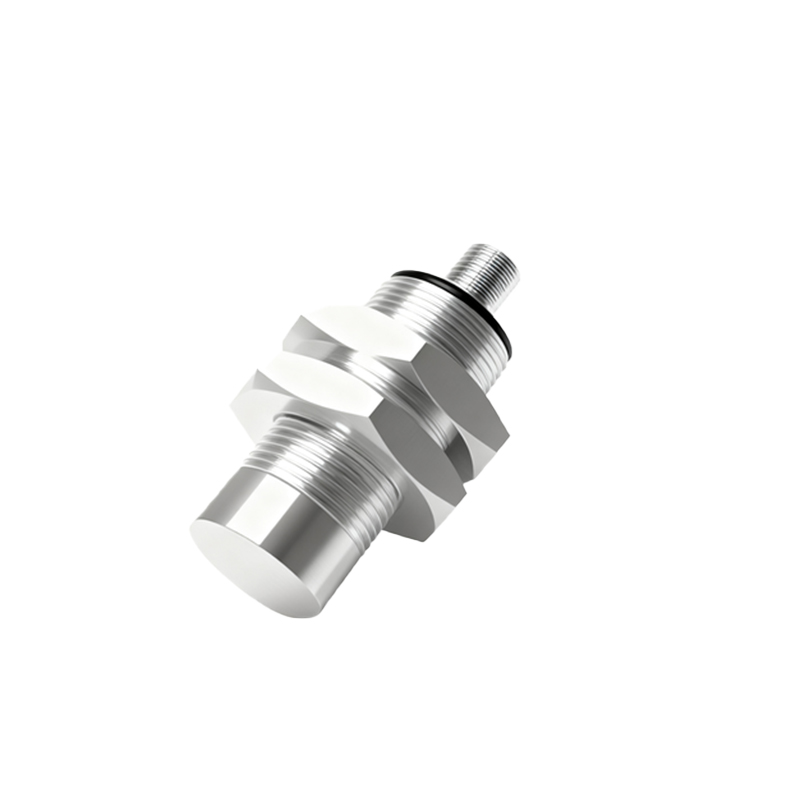
In the realm of industrial automation, cylindrical proximity sensors stand as fundamental components for non-contact detection, offering reliability and precision in diverse applications. These sensors, characterized by their tubular metal housing, are engineered to detect the presence or absence of metallic objects without physical contact, thereby minimizing wear and extending operational life. This article delves into the key models, operating principles, and critical selection criteria for cylindrical proximity sensors, providing engineers and procurement specialists with essential insights for optimal integration.
Cylindrical proximity sensors primarily operate on two principles: inductive and capacitive sensing. Inductive models are the most prevalent, designed specifically to detect ferrous and non-ferrous metals. They generate an electromagnetic field from a coil wound around a ferrite core within the sensor head. When a metallic target enters this field, eddy currents are induced, causing a change in the oscillation amplitude. This change is processed by the sensor's circuitry to trigger a solid-state output switch. Common inductive cylindrical sensor models include standard versions (e.g., 8mm, 12mm, 18mm, 30mm diameter barrels) with sensing ranges typically from 1 to 15 mm, shielded (flush-mountable) or unshielded (non-flush) designs, and various output configurations like NPN, PNP, NO (Normally Open), or NC (Normally Closed).
Capacitive cylindrical sensors, while similar in form factor, detect both metallic and non-metallic materials (plastics, liquids, wood) by sensing changes in capacitance. They are ideal for applications involving material level detection or presence sensing of non-conductive objects. Key specifications for all models include the sensing distance, which must be derated for different metals in inductive types, repeat accuracy, response frequency (switching speed), and environmental ratings such as IP67 or IP69K for protection against dust and water ingress.
Selecting the correct model necessitates a thorough analysis of the application parameters. First, define the target material. For metals, an inductive sensor is standard. For non-metallics, a capacitive model is required. Next, consider the required sensing distance. Engineers must account for the manufacturer's stated nominal range, which is usually calibrated for mild steel, and apply correction factors for other metals like aluminum or stainless steel. The installation environment is equally crucial. Shielded (flush-mountable) sensors can be embedded in metal without affecting performance, whereas unshielded models require a clearance zone around the sensing face but offer longer ranges. The housing material, typically nickel-plated brass or stainless steel, must be chosen based on exposure to chemicals, washdowns, or mechanical impact.
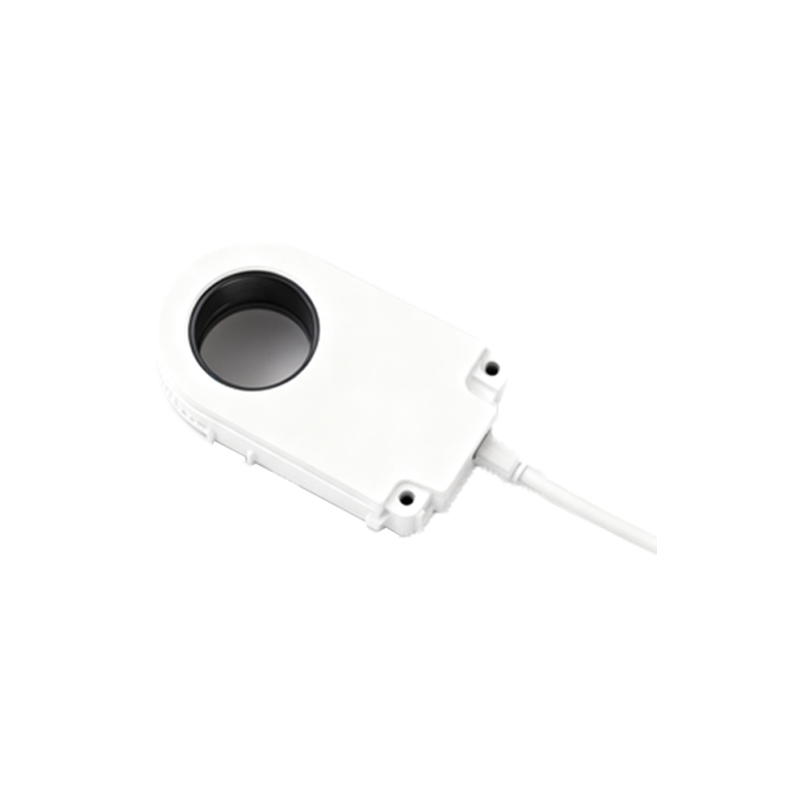
Electrical characteristics form another vital selection pillar. The operating voltage (commonly 10-30V DC or 20-250V AC), output type (2-wire, 3-wire NPN/PNP, or analog), and current rating must match the control system's PLC or input module. For DC models, the choice between NPN (sinking) and PNP (sourcing) outputs is determined by the circuit's common potential. Furthermore, advanced features like short-circuit protection, reverse polarity protection, and IO-Link communication for diagnostics and parameterization are now common in modern models, enhancing system intelligence and maintenance.
Leading manufacturers such as Sick, Omron, Pepperl+Fuchs, and Balluff offer extensive model series. For instance, the Sick IME series provides high-precision inductive sensors, while the Pepperl+Fuchs UC series offers robust capacitive variants. When finalizing a selection, always consult the specific datasheet for temperature ranges, hysteresis, and connection methods (pre-wired cable or quick-disconnect M8/M12 connectors). Proper mounting, ensuring the target approaches the sensor axially within the specified area, is imperative for consistent performance.
In conclusion, cylindrical proximity sensors are versatile and robust devices critical for automation success. A methodical selection process focusing on target material, sensing distance, environmental conditions, and electrical interface ensures reliable operation, reduces downtime, and optimizes the cost-effectiveness of the automation solution. As Industry 4.0 advances, integrating smart sensors with diagnostic capabilities will further solidify their role in predictive maintenance and efficient production workflows.