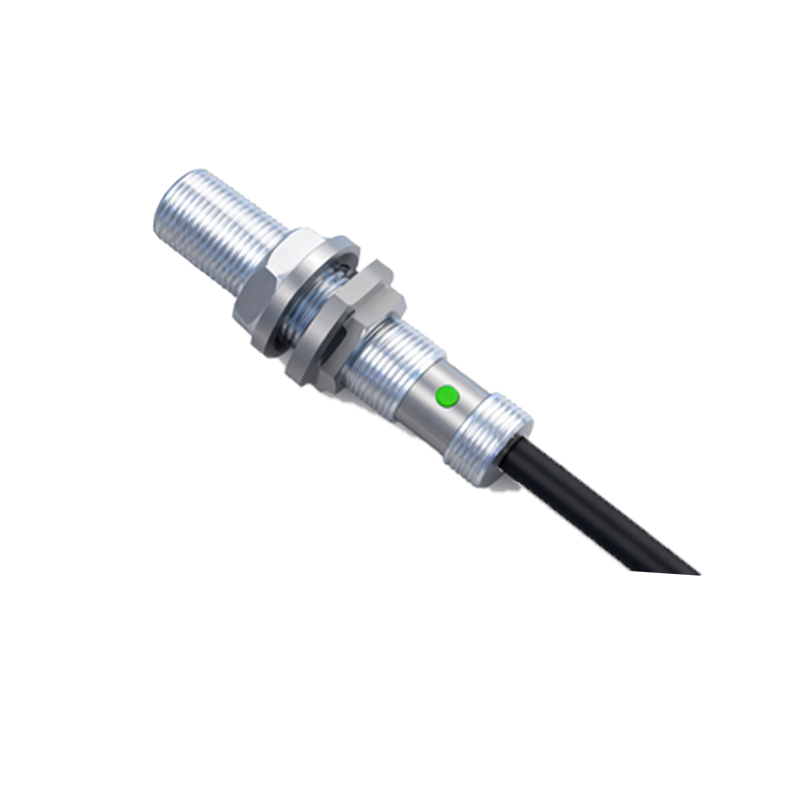
In the demanding world of industrial automation and control systems, proximity switch sensors are indispensable components. They provide non-contact detection of metallic and, in some cases, non-metallic objects, enabling precise positioning, counting, and safety functions in machinery. However, their reliability is often tested by harsh operating environments characterized by moisture, dust, chemical exposure, vibration, and thermal cycling. This is where the critical, yet sometimes overlooked, role of potting compounds comes into play. Potting, or encapsulating, the internal electronics of a proximity sensor with a specialized resin is a fundamental process for ensuring long-term performance and durability.
The primary function of a potting compound in a proximity switch sensor is to provide robust environmental protection. By completely enveloping the sensitive circuitry, coil, and oscillator, the potting material creates a hermetic seal. This barrier effectively prevents the ingress of moisture, which can cause short circuits and corrosion, and dust or particulate matter, which can interfere with electrical connections or sensor operation. In washdown environments common in food and beverage or pharmaceutical industries, this protection is paramount. Furthermore, a high-quality potting compound offers excellent resistance to a wide range of chemicals, including oils, coolants, and mild solvents, safeguarding the sensor from corrosive fluids it may encounter.
Beyond protection, potting compounds deliver crucial mechanical stabilization. Industrial settings are rife with vibrations and shock loads from nearby machinery. An un-potted sensor's internal components, such as solder joints and wire bonds, are susceptible to fatigue failure under constant vibration. The potting compound acts as a damping material, absorbing and distributing mechanical energy. It immobilizes all components within the housing, preventing movement that could lead to breakage or intermittent electrical faults. This significantly enhances the sensor's mechanical robustness and extends its mean time between failures (MTBF).
Thermal management is another vital consideration. Proximity sensors generate heat during operation, and ambient temperatures can fluctuate widely. Potting compounds with good thermal conductivity help dissipate this internally generated heat, preventing hotspots that could degrade electronic components. Conversely, they also provide insulation and protect against thermal shock from rapid temperature changes. The coefficient of thermal expansion (CTE) of the potting material should be carefully matched to that of the sensor's internal components and housing to minimize stress during thermal cycles, preventing delamination or cracking of the potted assembly.
Selecting the appropriate potting compound is a nuanced decision based on the sensor's specific application. The most common chemistries include:
Epoxy Resins: Known for their high hardness, excellent chemical resistance, and strong adhesion to metals and plastics. They offer good general-purpose performance but can be somewhat brittle, making them less ideal for applications with extreme thermal cycling or high flexural stress.
Polyurethane Resins (PU): These materials provide a desirable balance of properties, including good moisture resistance, flexibility, and excellent damping characteristics for vibration. They are typically more resilient to thermal cycling than epoxies but may have lower chemical resistance to certain solvents.
Silicone Resins: Silicones offer superior flexibility, an extremely wide operating temperature range (from -50°C to 200°C+), and outstanding resistance to moisture and thermal shock. Their soft, rubber-like consistency provides excellent stress relief. However, they generally have lower mechanical strength and adhesion compared to epoxies and polyurethanes, and can be permeable to certain gases.
The application process is as critical as the material selection. Proper preparation of the sensor housing and components is essential to ensure adhesion. Mixing ratios for two-part systems must be precise and thorough to achieve a complete cure and optimal properties. Degassing the mixed resin to remove entrapped air bubbles before potting is crucial, as voids can become points of failure. The potting must be done in a controlled environment to avoid contamination. Finally, following the manufacturer's specified cure profile—time and temperature—is non-negotiable for the compound to develop its full protective capabilities.
In conclusion, the potting compound is not merely a filler; it is an integral, performance-defining component of a modern proximity switch sensor. A well-chosen and properly applied potting material transforms a collection of fragile electronics into a rugged, reliable industrial workhorse. It ensures signal integrity, maintains detection accuracy, and ultimately guarantees that the sensor can withstand the rigors of its intended environment for years of uninterrupted service. Engineers and specifiers must give due consideration to the chemical, mechanical, thermal, and application requirements to unlock the full potential and reliability of their sensor systems.