In the dynamic landscape of the electrical and automation industries, proximity sensor suppliers play a pivotal role that extends far beyond the simple transaction of selling components. Their purpose is deeply intertwined with the advancement, reliability, and efficiency of modern industrial systems. A proximity sensor, a non-contact device that detects the presence or absence of an object, is a fundamental building block in countless applications, from assembly lines and robotics to safety systems and consumer electronics. The supplier's mission, therefore, is not merely to provide a product but to enable technological progress and operational excellence.
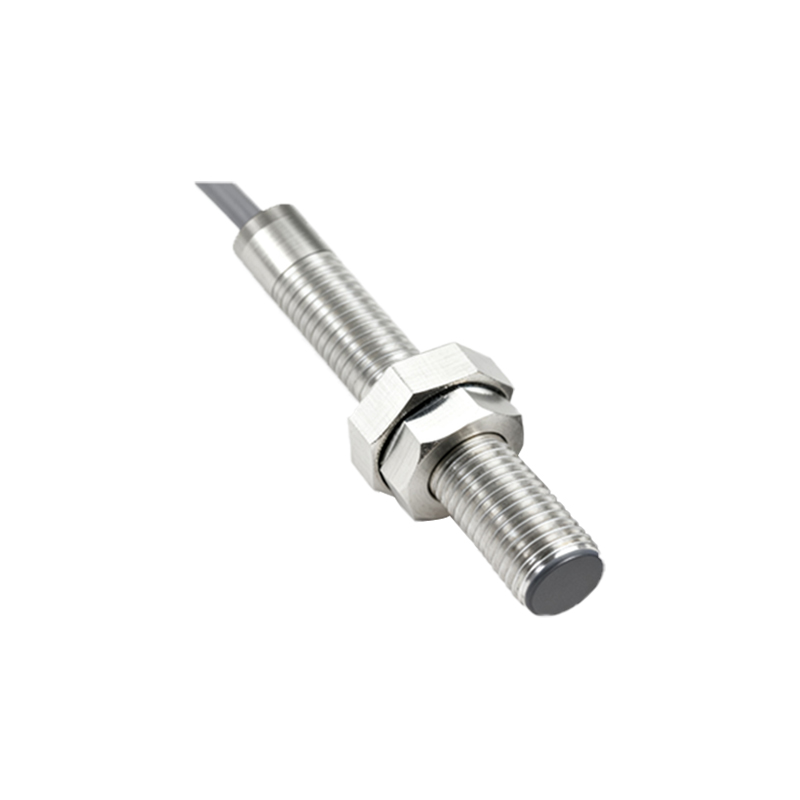
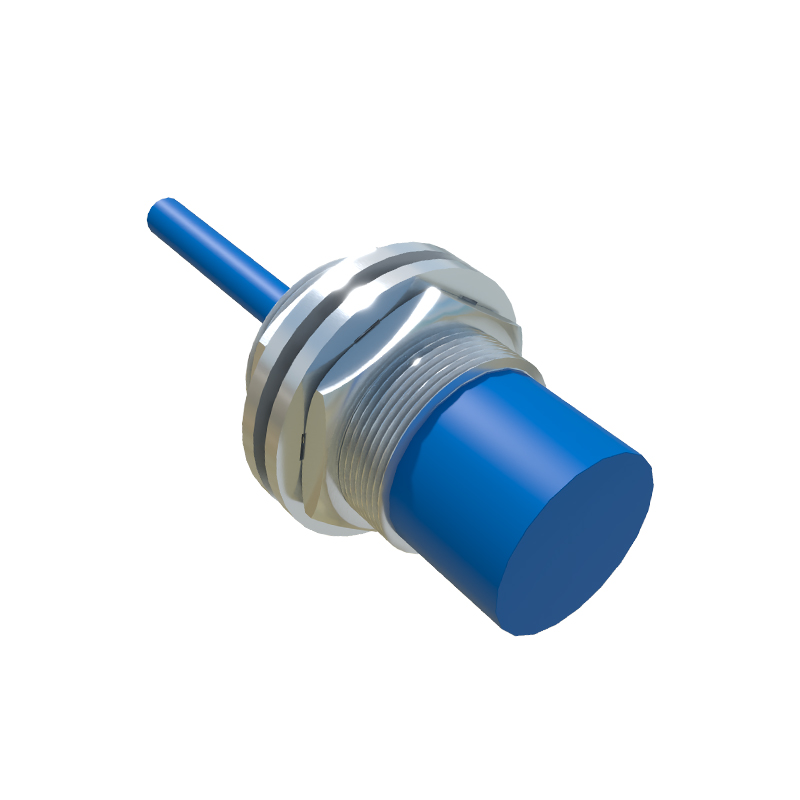
Firstly, the core purpose of a proximity sensor supplier is to bridge the critical gap between innovative sensor technology and practical industrial application. Engineers and system integrators rely on suppliers to offer a comprehensive portfolio that meets diverse technical specifications—be it inductive, capacitive, ultrasonic, or photoelectric sensing technologies. Each type serves distinct purposes: inductive sensors for detecting metals in harsh environments, capacitive sensors for non-metallic materials, and photoelectric sensors for long-range detection. Suppliers must possess deep technical expertise to guide clients in selecting the optimal sensor for parameters such as sensing range, response time, output type (PNP/NPN), and environmental resilience (IP ratings, temperature tolerance). This consultative role transforms suppliers into essential partners in the design phase, ensuring that the chosen sensor integrates seamlessly into complex control systems, thereby preventing costly downtime or redesigns.
Secondly, suppliers serve as guarantors of quality and reliability. In industries where precision is paramount, a sensor failure can halt an entire production line, leading to significant financial losses and safety hazards. Reputable suppliers invest in rigorous testing, adhere to international standards (e.g., IEC, UL), and often provide certifications that validate product performance. Their purpose includes establishing a robust supply chain that guarantees consistency in manufacturing. This involves not only delivering sensors that perform under stated conditions but also ensuring long-term durability against factors like electrical noise, vibration, and chemical exposure. By doing so, suppliers underpin the operational integrity of their clients' machinery, contributing directly to overall equipment effectiveness (OEE) and lean manufacturing goals.
Furthermore, the purpose encompasses driving innovation and adaptation to emerging trends. As Industry 4.0 and the Industrial Internet of Things (IIoT) reshape the sector, proximity sensors are evolving into smart, connected devices. Forward-thinking suppliers are at the forefront, developing sensors with embedded diagnostics, IO-Link communication, and data-rich outputs that feed into predictive maintenance algorithms. Their role is to anticipate market shifts—such as the demand for miniaturization, higher switching frequencies, or enhanced energy efficiency—and to collaborate with manufacturers on next-generation solutions. This proactive approach helps clients future-proof their operations, turning simple detection tasks into sources of valuable operational data.
Another vital aspect is providing comprehensive support throughout the product lifecycle. This includes detailed technical documentation, application notes, and responsive customer service for troubleshooting. Suppliers often offer customization services to tackle unique challenges, such as designing sensors for extreme temperatures or specific form factors. Their purpose is to ensure that from installation to decommissioning, the client has a reliable resource. Training sessions and workshops conducted by suppliers also empower engineers and maintenance personnel, enhancing their skills and ensuring optimal sensor utilization.
Moreover, in a globalized market, suppliers act as logistical hubs, ensuring timely availability of components. They manage inventory, offer flexible delivery schedules, and mitigate risks associated with component shortages. This logistical reliability is crucial for maintaining continuous production cycles and enabling just-in-time manufacturing processes.
Ultimately, the purpose of a proximity sensor supplier is holistic: to be a strategic ally in industrial automation. By delivering high-quality, innovative products coupled with expert guidance and unwavering support, they enable manufacturers to achieve higher levels of automation, safety, and efficiency. The value they provide is measured not just in units sold, but in the enhanced productivity, reduced waste, and technological advancement they facilitate for their clients. In essence, these suppliers are silent enablers of progress, ensuring that the invisible work of detection and control upon which modern industry depends is performed flawlessly, reliably, and intelligently.