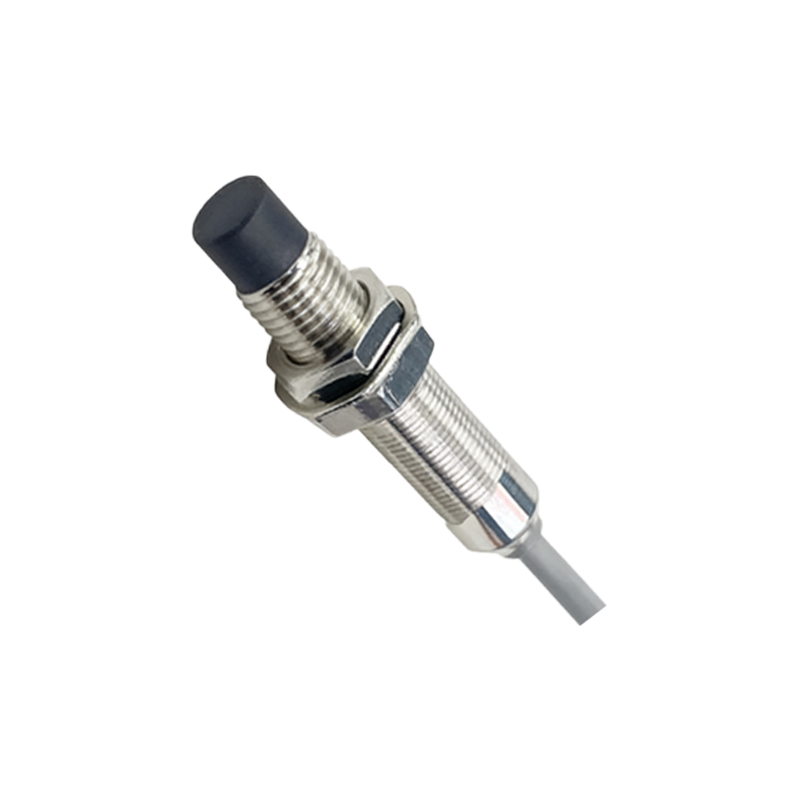
Embedded proximity sensors, also known as flush-mountable or shielded proximity sensors, are widely utilized in industrial automation for their unique design and operational characteristics. Unlike non-embedded (non-flush) sensors, these devices are installed flush with the mounting surface, allowing them to be surrounded by metal without significant performance degradation. This article delves into the key advantages and disadvantages of embedded proximity sensors, providing insights for engineers and system designers in selecting the appropriate sensor type for specific applications.
One of the primary advantages of embedded proximity sensors is their resilience to environmental interference. Due to their shielded design, they are less susceptible to electromagnetic interference (EMI) and radio frequency interference (RFI), which are common in industrial settings with heavy machinery and high-power equipment. This shielding also minimizes the effects of adjacent metallic objects, reducing the risk of false triggers and ensuring reliable detection. Additionally, embedded sensors offer easier installation and maintenance. They can be mounted directly into metal structures without requiring a specific clearance zone, simplifying the mechanical design of equipment and saving valuable space in compact machinery. This flush mounting also provides physical protection against mechanical damage, such as impacts or abrasions, extending the sensor's operational lifespan in harsh environments.
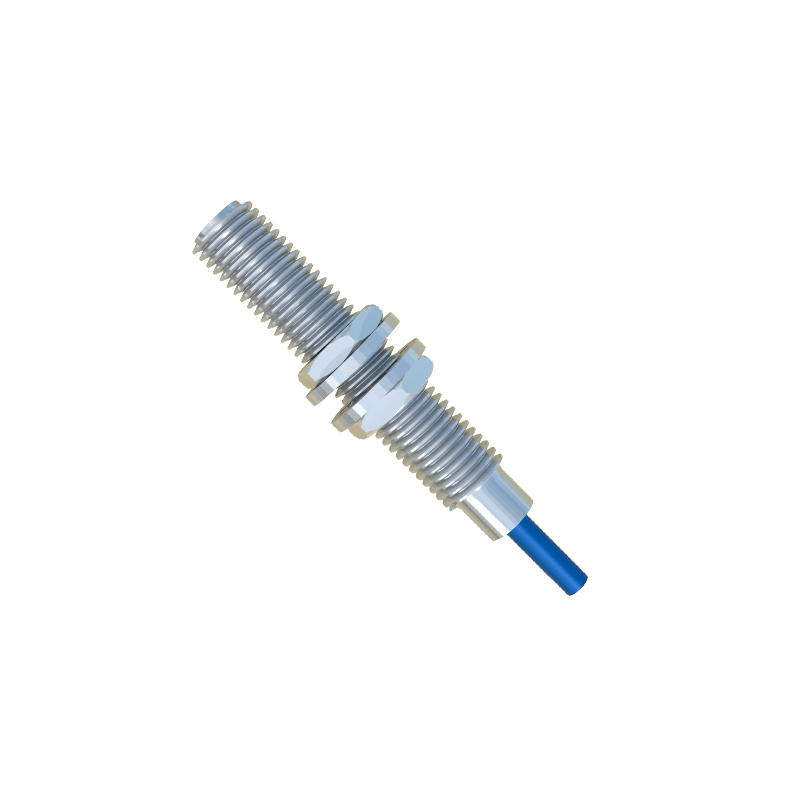
In terms of sensing performance, embedded proximity sensors typically exhibit a shorter sensing range compared to non-embedded types. This is a direct result of the shielding, which confines the magnetic or electromagnetic field. While this may be viewed as a limitation, it can be advantageous in applications requiring precise detection with minimal interference from surrounding objects. For example, in automated assembly lines where components are closely spaced, the reduced range helps prevent unintended activation by neighboring parts. Moreover, embedded sensors are generally more stable in detecting ferrous metals, making them ideal for use in metal fabrication, automotive manufacturing, and robotics.
However, embedded proximity sensors come with notable disadvantages. The most significant drawback is their limited sensing distance. As mentioned, the shielding restricts the effective range, often to 50-70% of that achievable with non-embedded sensors. This can necessitate closer positioning to target objects, which may not be feasible in all setups, such as in large-scale material handling systems where greater standoff distances are required. Another issue is reduced sensitivity to non-ferrous metals. While embedded sensors excel with ferrous materials, their performance with aluminum, copper, or stainless steel may be suboptimal, potentially requiring calibration or alternative sensor types for mixed-material applications.
Cost is another consideration. Embedded proximity sensors tend to be more expensive than their non-embedded counterparts due to the additional shielding materials and manufacturing complexity. For budget-sensitive projects, this can influence the overall system cost, especially when multiple sensors are needed. Furthermore, the flush mounting, while protective, can lead to heat buildup in high-temperature environments if not properly ventilated, potentially affecting sensor accuracy and durability over time. Engineers must account for thermal management in designs involving continuous operation or extreme conditions.
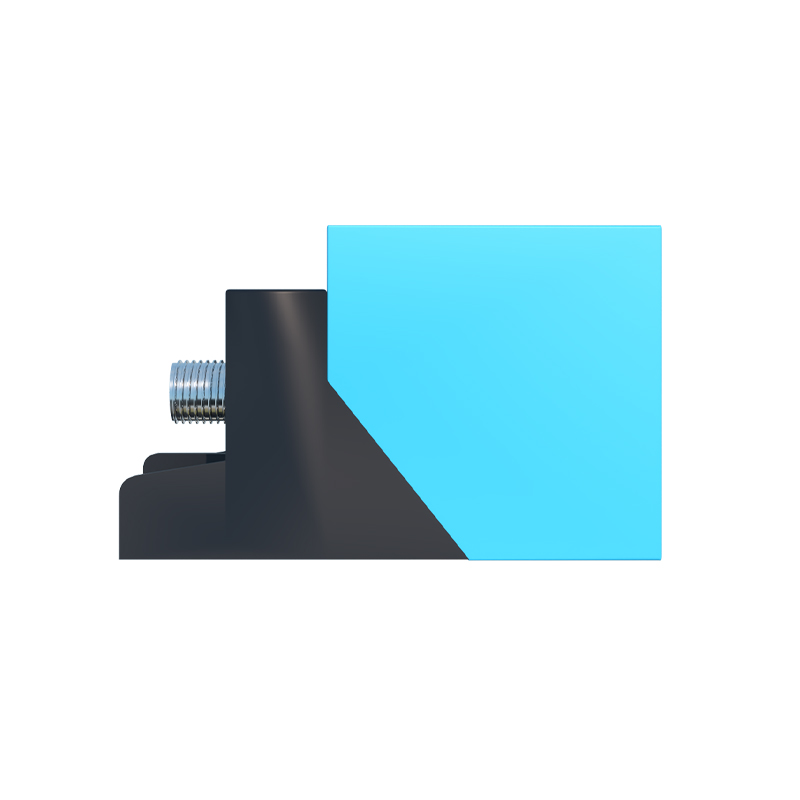
In summary, embedded proximity sensors offer robust performance in shielded environments, with benefits including interference resistance, easy installation, and mechanical protection. Their drawbacks, such as shorter sensing ranges and higher costs, must be weighed against application requirements. For instance, in CNC machining or packaging equipment where precision and reliability are paramount, embedded sensors are often the preferred choice. Conversely, in applications demanding long-range detection or cost efficiency, non-embedded sensors might be more suitable. By understanding these trade-offs, professionals can optimize sensor selection to enhance system efficiency and reliability in diverse industrial contexts.