In the realm of industrial automation and control systems, proximity switch sensors stand as critical components for non-contact detection, ensuring efficiency, safety, and precision. Among these, the KHW3 proximity switch sensor has garnered significant attention for its robust performance and reliability in demanding environments. This article delves into the technical specifications, operational principles, application scenarios, and best practices for integrating the KHW3 sensor into modern industrial setups.
The KHW3 is typically an inductive proximity sensor, designed to detect metallic objects without physical contact. It operates on the principle of electromagnetic induction. Inside the sensor, an oscillator generates a high-frequency electromagnetic field that emanates from the sensing face. When a metallic target enters this field, eddy currents are induced in the target, causing a change in the oscillation amplitude. This change is detected by the sensor's circuitry, which then triggers a switching action—either opening or closing an electrical circuit. This non-contact nature eliminates mechanical wear, thereby extending the sensor's operational lifespan and reducing maintenance needs.
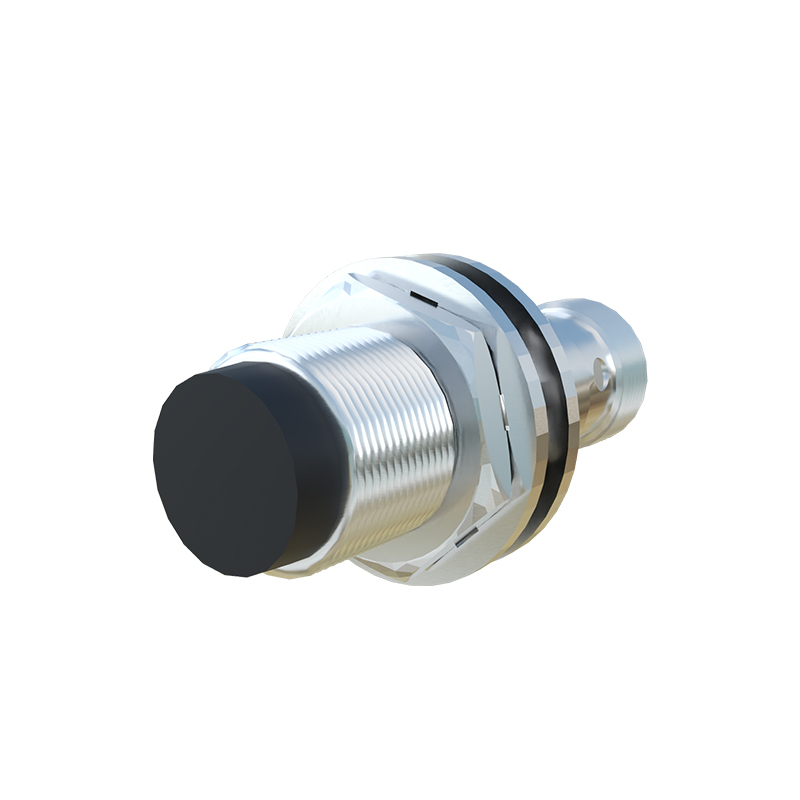
Key technical features of the KHW3 sensor often include a defined sensing range, which can vary based on the specific model and target material. Common sensing distances range from a few millimeters to several centimeters. It is crucial to note that the effective sensing distance can be influenced by factors such as the target's size, material (e.g., steel, aluminum, copper), and environmental conditions. The KHW3 typically offers a high switching frequency, enabling it to detect rapidly moving objects, which is essential in high-speed production lines. Additionally, these sensors are built with rugged housings, often made of stainless steel or nickel-plated brass, providing resistance to mechanical impacts, vibrations, and harsh industrial atmospheres. Many KHW3 models also feature IP67 or higher ingress protection ratings, making them suitable for use in dusty or wet environments.
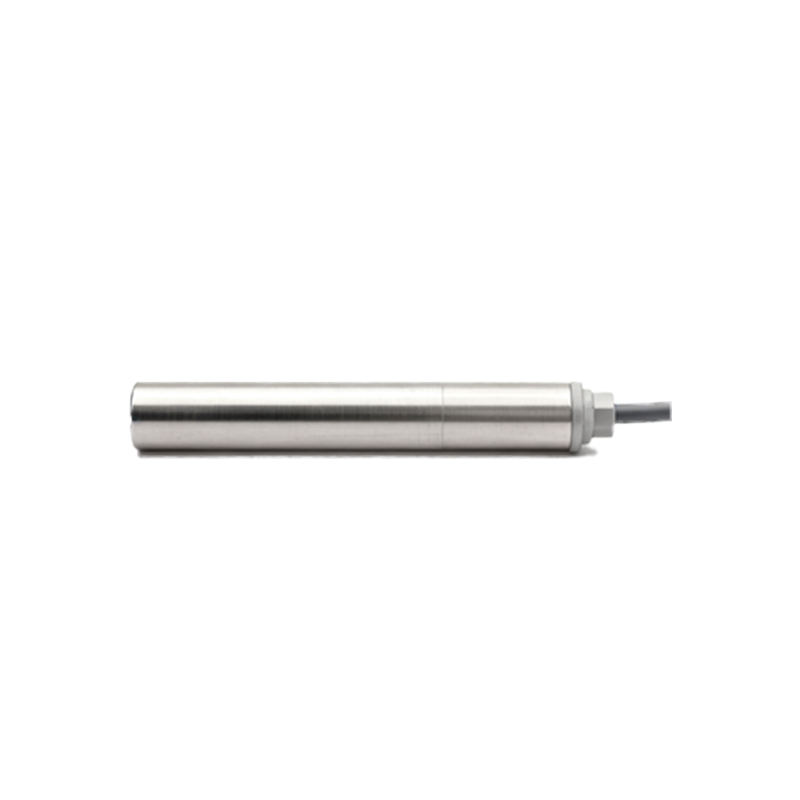
Wiring and electrical characteristics are paramount for proper installation. The KHW3 sensor usually operates on DC voltages (commonly 10-30V DC) or sometimes AC, depending on the variant. It provides either normally open (NO) or normally closed (NC) output configurations, and many versions incorporate short-circuit and reverse polarity protection to prevent damage from wiring errors. The output type can be transistor-based (PNP or NPN) for DC models, allowing seamless integration with programmable logic controllers (PLCs) and other control systems.
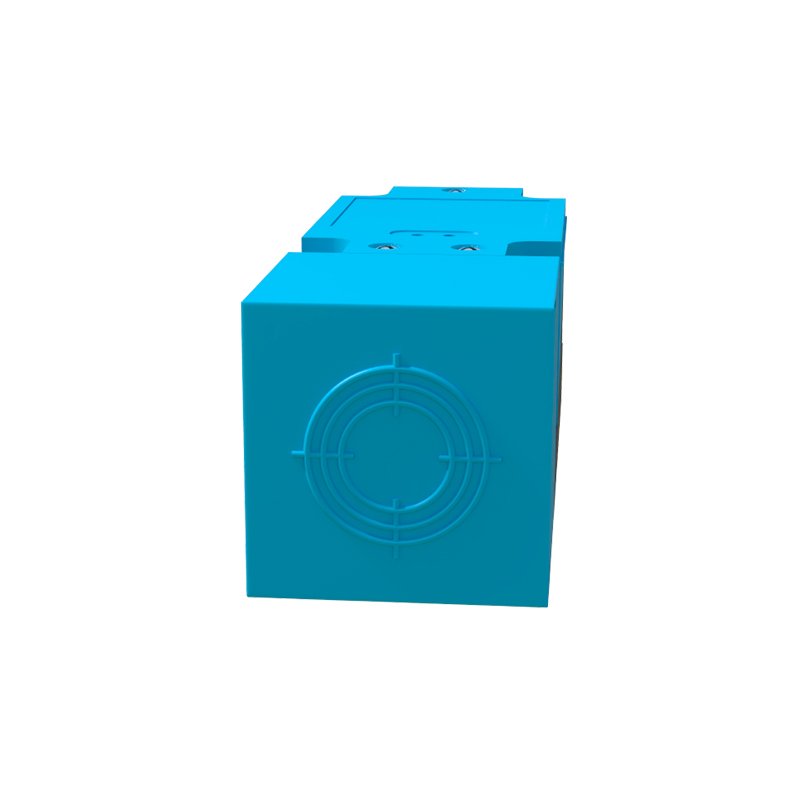
In practical applications, the KHW3 proximity sensor finds extensive use across various industries. In automotive manufacturing, it is employed for position sensing of robotic arms, part presence verification on conveyor belts, and end-of-travel detection in actuators. Within packaging machinery, these sensors monitor the position of fillers, cappers, and labeling units, ensuring precise operation. In material handling systems, they detect the presence of metal pallets or containers, facilitating automated sorting and routing. Furthermore, the KHW3 is utilized in metalworking for tool positioning and in assembly lines for counting metallic components. Its durability also makes it apt for outdoor or heavy-duty applications, such as in agricultural or construction equipment.
To maximize the performance and longevity of the KHW3 sensor, adherence to installation and maintenance guidelines is essential. Mounting should be secure to minimize vibration effects, and adequate clearance should be maintained around the sensing face to prevent false triggers from adjacent metal structures. Regular cleaning of the sensor face from debris, oil, or metal chips is recommended to maintain accurate detection. When selecting a KHW3 model, engineers must consider the specific application requirements: the required sensing distance, target material, environmental temperature range (typically -25°C to 70°C for standard models), and electrical compatibility with the existing control system.
In comparison to other proximity sensors, the KHW3 series is often praised for its consistent performance and adaptability. While capacitive sensors can detect non-metallic materials, the inductive KHW3 excels in metal detection with high precision and immunity to environmental factors like dust or moisture. Its design often incorporates LED indicators for easy diagnostics, showing power status and output activation, which simplifies troubleshooting during operation.
In conclusion, the KHW3 proximity switch sensor represents a reliable and efficient solution for industrial automation tasks requiring non-contact metal detection. Its robust construction, technical versatility, and ease of integration make it a staple in modern manufacturing and control systems. By understanding its operational mechanics and application best practices, engineers and technicians can leverage the KHW3 to enhance system reliability, optimize production processes, and reduce downtime. As industries continue to evolve towards greater automation, components like the KHW3 will remain integral to achieving operational excellence and maintaining competitive advantage in a dynamic market landscape.