In the rapidly evolving landscape of industrial automation, proximity sensors stand as critical components for enabling non-contact detection, ensuring safety, and enhancing operational efficiency. Selecting the right supplier is paramount for system reliability and performance. This article provides an overview of leading global manufacturers and key considerations for procurement.
Established Global Leaders
Several corporations have set the industry standard through decades of innovation, extensive product portfolios, and global support networks.
Sick AG: A German powerhouse, Sick is renowned for its high-precision and robust sensors. Their offerings span inductive, capacitive, magnetic, and ultrasonic proximity sensors, often featuring advanced diagnostics and IO-Link communication, making them a top choice for demanding automotive and logistics applications.
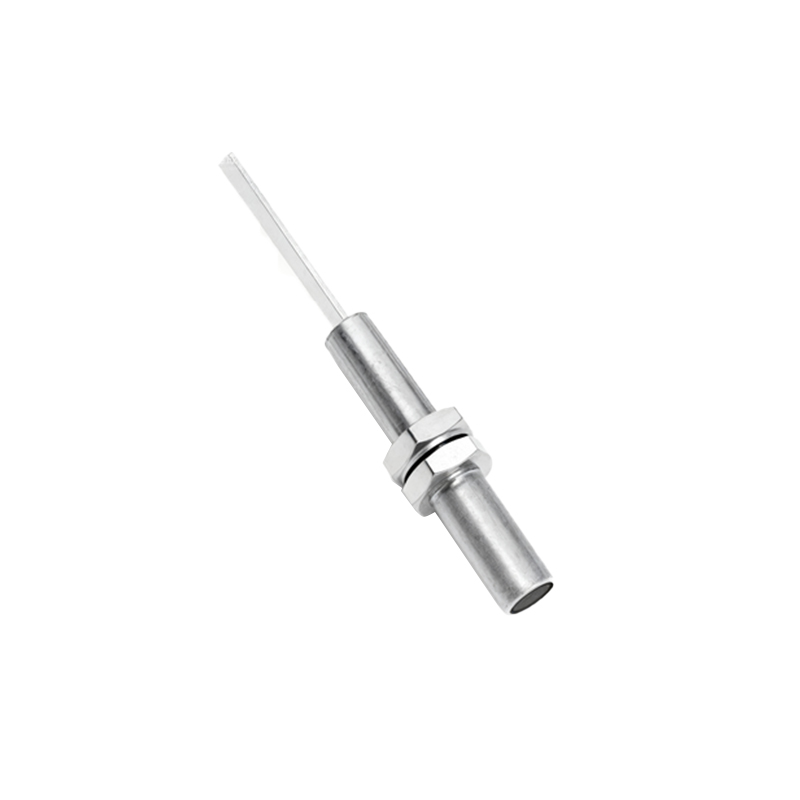
Omron Corporation: This Japanese electronics giant provides an exceptionally wide range of proximity sensors. Omron excels in miniaturization and offers specialized models for harsh environments, including weld-field immune inductive sensors and high-temperature variants, catering to sectors from packaging to semiconductor manufacturing.
Pepperl+Fuchs: A German specialist in intrinsic safety and sensor technology, Pepperl+Fuchs is a go-to for hazardous areas. Their comprehensive line includes standard inductive, capacitive, and magnetic sensors, with a strong reputation for quality and application-specific solutions in chemical and process industries.
Balluff GmbH: Known for innovation in connectivity and smart sensor technology, Balluff offers high-performance proximity sensors with integrated IO-Link functionality. Their products are designed for easy integration into Industry 4.0 environments, providing valuable process data beyond simple switching signals.
IFM Electronic: IFM emphasizes user-friendly and efficient solutions. Their sensor range is broad, featuring models with patented technologies for improved detection ranges and resistance to interference. IFM's strength lies in simplifying complex automation tasks with reliable and intuitive products.
Prominent Regional and Specialized Suppliers
Beyond the global giants, numerous suppliers excel in specific regions, market segments, or offer compelling value propositions.
Turck (USA/Germany): A major player known for rugged sensor designs suitable for extreme conditions. Turck offers a vast selection of proximity sensors, including heavy-duty models with extended sensing ranges and high ingress protection ratings.
Rockwell Automation (Allen-Bradley): In North America, Rockwell's Allen-Bradley brand is deeply integrated into factory automation ecosystems. Their proximity sensors are optimized for seamless compatibility with Rockwell's PLCs and control systems, offering a streamlined solution for integrated plant floors.
Keyence Corporation: This Japanese company is celebrated for its advanced, high-performance sensors, often incorporating cutting-edge optics and measurement capabilities alongside standard proximity detection. They are frequently chosen for precision applications in electronics and精密 assembly.
Schneider Electric (Telemecanique Sensors): Offering a reliable and cost-effective range under the Telemecanique brand, Schneider provides robust sensors for general industrial use, with a strong distribution network supporting maintenance and replacement markets.
Carlo Gavazzi: A Swiss-Italian company known for offering a wide array of automation components, including a solid range of proximity sensors that balance performance and affordability, serving OEMs and system integrators across Europe and North America.
Online Distributors and Marketplaces
For prototyping, small-batch purchases, or urgent replacements, online distributors are invaluable.
Digi-Key Electronics and Mouser Electronics: These global distributors stock millions of components, including proximity sensors from hundreds of manufacturers. They provide detailed datasheets, comparison tools, and rapid shipping, ideal for engineers and purchasers sourcing for R&D or low-volume production.
RS Components and Allied Electronics: Similar to Digi-Key and Mouser, they offer vast catalogs with strong logistical support, serving as essential resources for accessing a wide variety of sensor brands quickly.
Key Selection Criteria Beyond the Brand
Choosing a supplier involves more than just a brand name. Consider these factors:
1. Application Requirements: Define the target material (metal, plastic, liquid), required sensing distance, switching frequency, environmental conditions (temperature, washdown, chemicals), and output type (PNP/NPN, analog, IO-Link).
2. Technical Support & Documentation: Evaluate the availability of detailed datasheets, CAD models, application notes, and the responsiveness of the supplier's technical support team.
3. Supply Chain & Logistics: Assess lead times, inventory availability, and the reliability of the distribution channel. Local stock can be crucial for minimizing downtime.
4. Total Cost of Ownership (TCO): Look beyond the unit price. Consider factors like installation ease, durability (mean time between failures), and compatibility with existing systems to evaluate long-term value.
5. Certifications: Ensure the sensors carry necessary certifications for your region and industry (e.g.,