In the rapidly evolving landscape of industrial automation and precision measurement, the laser distance sensor has become an indispensable tool. From warehouse logistics and construction to robotics and quality control, these devices provide critical, non-contact measurement data. However, the market is flooded with a mix of high-quality, genuine products and substandard, counterfeit imitations. For engineers and procurement specialists, distinguishing between them is paramount to ensuring system reliability, safety, and long-term cost-effectiveness. This article outlines key strategies for identifying authentic laser distance sensors.
The first and most critical line of defense is sourcing. Always purchase from authorized distributors or directly from the manufacturer. Reputable manufacturers maintain a list of certified partners on their official websites. Be wary of prices that seem too good to be true on third-party marketplaces; significant discounts often indicate counterfeit components. Genuine sensors come with verifiable serial numbers. Upon receipt, immediately check this number on the manufacturer’s website. This simple step can confirm the product's authenticity and often provides details about its manufacturing date and warranty status.
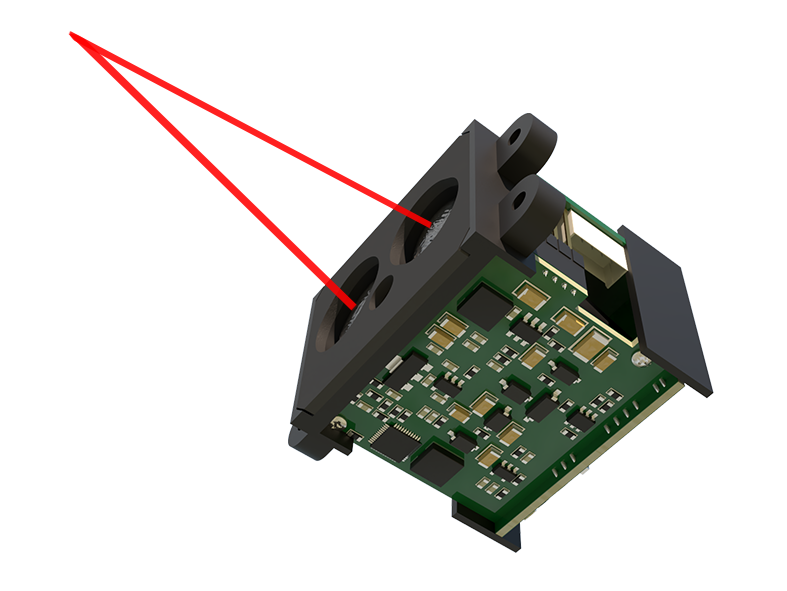
Physical inspection offers immediate clues. Examine the build quality. Authentic sensors feature robust, precision-machined housings, often with an IP (Ingress Protection) rating clearly and accurately stamped. The laser aperture should be perfectly clean and centered. Counterfeit units frequently exhibit poor molding seams, inconsistent coloring, or flimsy connectors. Pay close attention to the labeling and branding. Logos and text on genuine products are sharp, legible, and permanently etched or printed. Fakes may have blurred logos, spelling errors, or labels that peel off easily.
Performance validation is where counterfeit sensors inevitably fail. Begin with basic functional tests in a controlled environment. A genuine laser sensor will demonstrate exceptional stability, with minimal measurement drift over time. Test its stated accuracy and repeatability against a known standard, such as a calibrated gauge block. Counterfeit sensors often show poor repeatability, significant temperature drift, or inconsistent readings, especially at the extremes of their advertised range. Authentic sensors also perform reliably under various surface conditions (color, reflectivity), while fakes may struggle with non-ideal targets.

Software and communication protocols are another telltale sign. Genuine sensors are supported by official, user-friendly configuration software or well-documented communication libraries (e.g., for RS-232, Ethernet, or IO-Link). This software is typically available for download from the manufacturer's support portal. Counterfeit devices may not work with official software, or their communication may be unstable and prone to errors. The data sheets and manuals for genuine products are professionally produced, comprehensive, and technically accurate. Illegitimate copies often have poorly translated or incomplete documentation.
Finally, consider the holistic value proposition. A genuine laser distance sensor is part of an ecosystem. It comes with full technical support, application engineering assistance, and a valid warranty. Manufacturers stand behind their products with reliable firmware updates and long-term availability. The total cost of ownership for a genuine sensor is lower when factoring in reduced downtime, maintenance costs, and the risk of production errors caused by faulty measurements. Investing in authenticity is not just a purchase; it's an investment in system integrity and operational excellence.
In conclusion, verifying the authenticity of a laser distance sensor requires a multi-faceted approach combining diligent sourcing, meticulous physical inspection, rigorous performance testing, and validation of software support. By adhering to these practices, engineers can safeguard their projects against the risks posed by counterfeit components, ensuring precision, safety, and reliability in their critical measurement applications.
