Laser distance sensors, also known as laser rangefinders or laser displacement sensors, are pivotal components in modern industrial automation and measurement systems. These devices operate on the principle of emitting a focused laser beam toward a target object and calculating the distance by analyzing the reflected light. The most common methods include time-of-flight (ToF), triangulation, and phase-shift measurement, each suited for specific ranges, accuracies, and environmental conditions.
Time-of-flight sensors measure the round-trip time of a laser pulse to determine distance. They are ideal for long-range applications, often reaching several hundred meters, with typical accuracies in the millimeter range. In contrast, triangulation-based sensors use a laser emitter, a receiving lens, and a position-sensitive detector. As the laser dot moves on the target, its position on the detector shifts, allowing precise distance calculation through geometric relationships. This method excels in short to medium ranges (up to a few meters) with micrometer-level resolution, making it indispensable for high-precision tasks like surface profiling and thickness gauging.
Phase-shift measurement involves modulating the laser beam's intensity with a known frequency and comparing the phase difference between emitted and reflected signals. This technique offers a balance of range and accuracy, frequently used in surveying and construction.
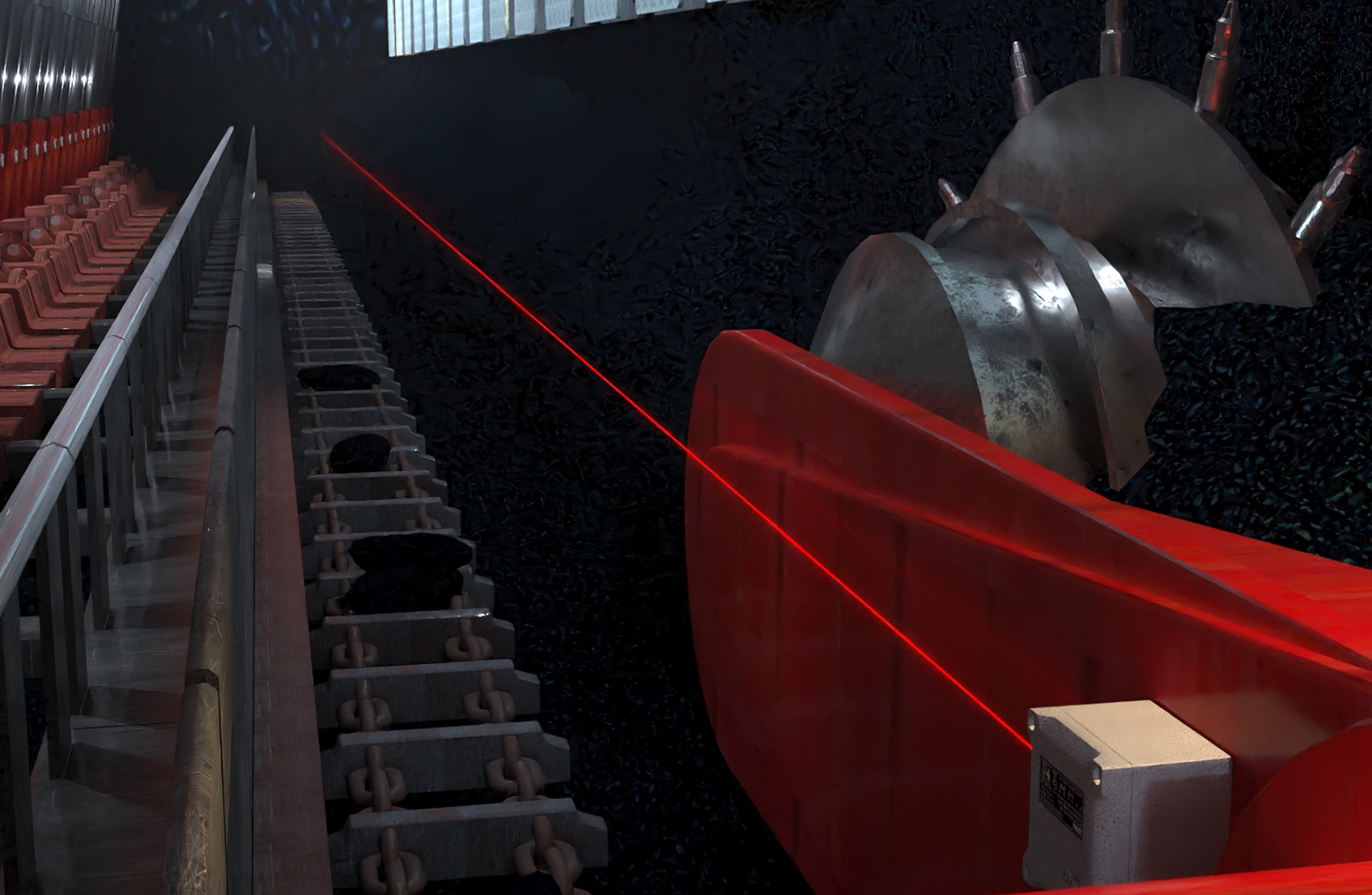
Key performance parameters include measurement range, resolution, linearity, and response time. Environmental factors such as ambient light, surface reflectivity, and material transparency significantly impact performance. For instance, highly reflective or dark surfaces may require sensor calibration or specialized models to ensure reliable readings. Modern sensors often incorporate advanced features like background suppression, which filters out interfering signals from objects beyond the target, and integrated algorithms for data smoothing and outlier rejection.
In industrial settings, laser distance sensors are deployed across diverse applications. In robotics, they enable precise positioning and obstacle avoidance. In manufacturing, they monitor dimensions in real-time during assembly, ensuring quality control. Logistics systems utilize them for palletizing and inventory management, while in automotive industries, they assist in alignment and inspection processes. The integration of these sensors with IoT platforms and industrial networks (e.g., PROFINET, EtherCAT) facilitates data analytics and predictive maintenance, enhancing overall operational efficiency.
Selecting the appropriate sensor involves evaluating technical specifications against application requirements. Considerations include the required measurement range, accuracy, target material, operating temperature, and connectivity options. Regular maintenance, such as lens cleaning and firmware updates, is essential to sustain optimal performance. As technology advances, trends like miniaturization, increased robustness in harsh environments, and enhanced smart capabilities continue to expand the potential of laser distance sensors in Industry 4.0.
Ultimately, laser distance sensors provide a non-contact, reliable solution for precise measurement, driving automation and innovation in sectors from aerospace to consumer electronics. Their ability to deliver fast, accurate data underpins critical processes, reducing downtime and improving product quality. Engineers and technicians must stay informed about evolving standards and best practices to leverage these tools effectively, ensuring they meet the growing demands of modern industrial ecosystems.