Proximity sensors are indispensable components in modern industrial automation, robotics, and smart systems. They detect the presence or absence of an object within a specific range without physical contact, enabling precise control, safety, and efficiency. This tutorial delves into the core aspects of proximity sensors, covering their types, working principles, key specifications, and practical applications.
Types of Proximity Sensors
Proximity sensors are primarily categorized based on their detection technology:
1. Inductive Proximity Sensors: These sensors generate an electromagnetic field. When a metallic object enters this field, it induces eddy currents, causing a change in the sensor's oscillation amplitude. This change triggers the output switch. Inductive sensors are ideal for detecting ferrous and non-ferrous metals but are ineffective for non-metallic materials. Common applications include position sensing in machinery, metal detection in conveyors, and part counting in assembly lines.
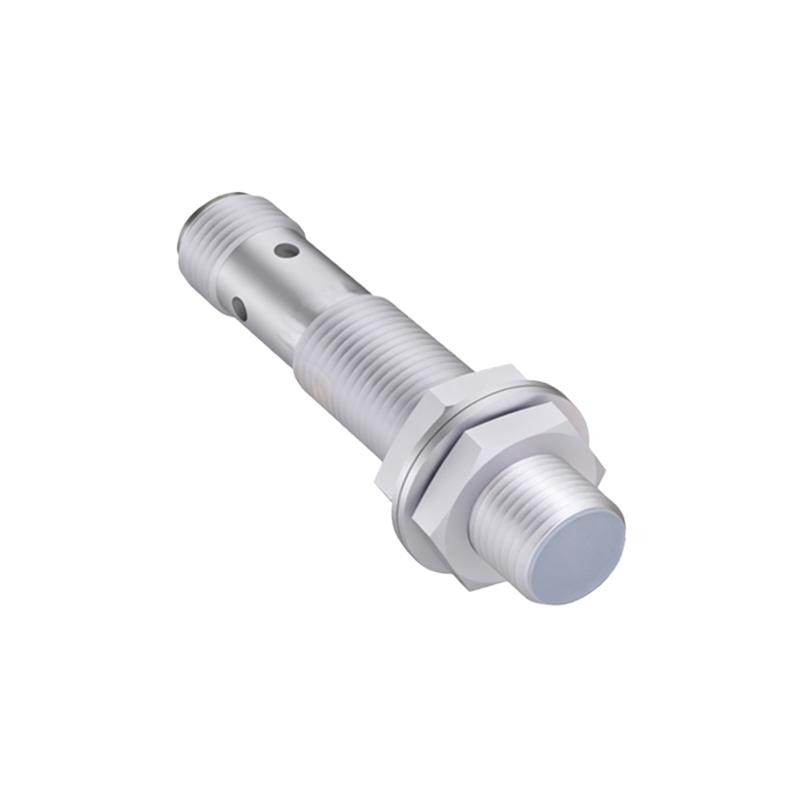
2. Capacitive Proximity Sensors: Operating on the principle of capacitance change, these sensors detect both metallic and non-metallic objects (e.g., liquids, plastics, wood). They generate an electrostatic field. When an object with a different dielectric constant enters the field, it alters the capacitance, activating the sensor. Capacitive sensors are used in level detection for liquids or granules, material handling, and touch-sensitive interfaces.
3. Ultrasonic Proximity Sensors: These sensors emit high-frequency sound waves and measure the time taken for the echo to return after hitting an object. The distance to the object is calculated based on the speed of sound. Ultrasonic sensors are versatile, capable of detecting various materials regardless of color or transparency, and are suitable for challenging environments with dust or moisture. Applications include distance measurement, object detection in packaging, and liquid level monitoring.
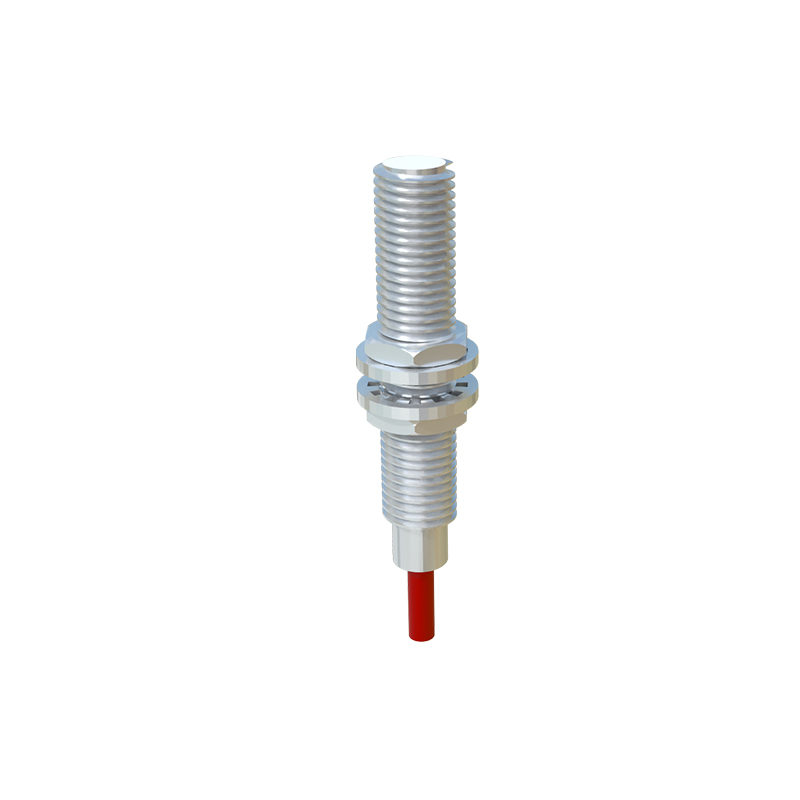
4. Photoelectric Proximity Sensors: Utilizing light beams (usually infrared), these sensors detect objects by measuring changes in light intensity. They come in three main configurations: through-beam (separate emitter and receiver), retro-reflective (with a reflector), and diffuse-reflective (sensor and target act as reflector). Photoelectric sensors excel in long-range detection and are used in automation, security systems, and conveyor belt monitoring.
5. Magnetic Proximity Sensors: These sensors react to magnetic fields, typically using reed switches or Hall-effect elements. They are commonly employed to detect the position of magnets in cylinders, doors, or safety switches.
Working Principles in Detail
Each sensor type relies on distinct physical phenomena. Inductive sensors, for instance, consist of an oscillator, coil, and detection circuit. The oscillator creates a high-frequency field around the sensing face. A metallic object dampens the oscillations, which is detected by the circuit, changing the output state. Capacitive sensors function similarly but use a plate to form a capacitor with the target; changes in the electric field modify capacitance, triggering detection. Ultrasonic sensors involve piezoelectric transducers to generate and receive sound waves, with timing circuits for distance calculation. Photoelectric sensors depend on light emitters and receivers, with logic circuits interpreting signal interruptions or reflections.
Key Specifications and Selection Criteria
Choosing the right proximity sensor requires understanding several parameters:
- Sensing Range: The maximum distance at which the sensor can reliably detect an object. Inductive sensors typically range from 1 to 60 mm, capacitive from 3 to 60 mm, ultrasonic up to several meters, and photoelectric up to tens of meters.
- Output Type: Common outputs include NPN/PNP transistors, analog (4-20 mA or 0-10 V), and relay contacts. NPN (sinking) and PNP (sourcing) are standard in programmable logic controller (PLC) interfaces.
- Response Time: The speed at which the sensor reacts, critical for high-speed applications like sorting or counting.
- Environmental Factors: Consider operating temperature, ingress protection (IP rating for dust and water resistance), and immunity to electrical noise or ambient light.
- Material Compatibility: Inductive sensors work only with metals; capacitive sensors handle diverse materials; ultrasonic and photoelectric sensors are material-agnostic but may be affected by surface properties.
Practical Applications and Installation Tips
Proximity sensors are ubiquitous across industries. In automotive manufacturing, inductive sensors detect metal parts on assembly lines. In food processing, capacitive sensors monitor liquid levels in tanks. Ultrasonic sensors assist in robotic navigation, while photoelectric sensors enable object detection in packaging machinery. Magnetic sensors ensure door safety in elevators.
For optimal performance, follow these installation guidelines:
- Ensure proper alignment and mounting to avoid false triggers.
- Maintain the recommended sensing distance, accounting for object size and material.
- Shield sensors from extreme temperatures, vibrations, or corrosive substances