Laser particle sensors are critical components in air quality monitoring systems, HVAC equipment, and industrial process control. They operate by using a laser diode to illuminate particles passing through a detection chamber. A photodetector then measures the scattered light, allowing the sensor to count and size particles with high accuracy. Over time, however, dust, lint, and other contaminants can accumulate on the optical surfaces—primarily the laser window and the photodetector lens. This fouling leads to signal attenuation, baseline drift, and ultimately, inaccurate readings such as false positives or an inability to detect smaller particles. Regular and proper cleaning is therefore not merely maintenance; it is essential for data integrity and sensor lifespan.
Before initiating any cleaning procedure, the paramount rule is safety and preparation. Always consult the manufacturer's specific manual, as procedures can vary. Begin by powering down and disconnecting the sensor from its power source. If the sensor is part of a larger system, ensure the system is safely locked out. Allow the sensor to cool to ambient temperature if it has been operating. Gather the appropriate tools: a supply of clean, dry, lint-free gloves (nitrile is ideal), a can of clean, dry, oil-free compressed air or inert gas (like nitrogen), high-purity isopropyl alcohol (IPA, 99% grade or higher), optical-grade lint-free wipes (such as those made from microfiber or cellulose), and cotton swabs with plastic sticks (avoid wooden sticks, as they can shed fibers). Perform this work in a clean, low-dust environment.
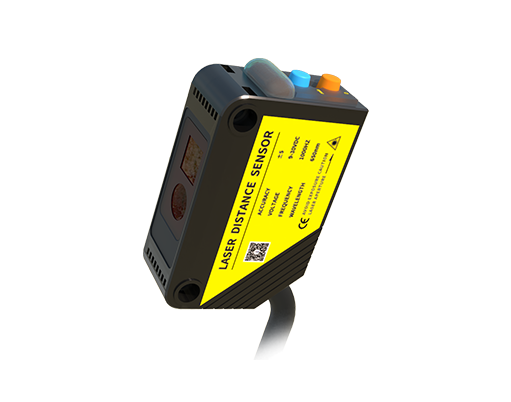
The core cleaning process is methodical and requires a gentle touch. Do not use standard cleaning solvents, window cleaners, or abrasive materials, as they can permanently damage optical coatings. The first step is always dry cleaning. Wearing gloves to prevent skin oils from contaminating the optics, use the compressed air to blow loose debris from the sensor's intake and exhaust ports and the general housing. Hold the can upright to avoid expelling any liquid propellant. Do not insert the nozzle directly into the detection chamber; use short, controlled bursts from a safe distance.
For more adherent contamination, proceed to wet cleaning. Moisten a lint-free wipe or a cotton swab with a small amount of high-purity IPA. The material should be damp, not dripping. Gently wipe the accessible optical surfaces. For the laser output window, wipe in one direction using very light pressure. For the photodetector lens, use a circular motion from the center outward. Never rub back and forth, as this can grind particles into the surface. Use a fresh swab or a clean section of the wipe for each pass until no residue remains on the tool. Allow the IPA to evaporate completely; it will do so quickly due to its high volatility. For internal optics that are not user-accessible, cleaning should only be performed by qualified service personnel, as disassembly can misalign the sensitive laser and detector assembly.
After cleaning, reassemble the sensor if any parts were removed, ensuring all seals are properly seated. Reconnect the power and allow the sensor to complete its initialization cycle. It is highly recommended to perform a functional verification. This can involve checking the sensor's baseline reading in a known clean environment (like a zero-air chamber) or using a calibrated particle generator for a challenge test. Compare the post-cleaning output to the sensor's historical performance data or its specification sheet. Document the cleaning date, methods used, and any observations regarding performance change. Establishing a preventive maintenance schedule based on the operating environment—quarterly for clean rooms, more frequently for industrial settings—is best practice.

Neglecting sensor cleanliness has direct consequences. A heavily contaminated sensor will report lower particle counts than are actually present, as the fouling blocks both the incident laser light and the scattered signal. This can lead to poor indoor air quality, compromised industrial yields, or failure to detect a dangerous aerosol release. Conversely, certain types of contamination might cause erratic scattering, resulting in false high readings. By incorporating systematic, gentle cleaning into your maintenance regimen, you ensure the reliability of your monitoring data, protect your capital investment, and maintain the critical performance metrics for which laser particle sensors are chosen in the first place.
