Proximity sensors are essential components in modern industrial automation, enabling non-contact detection of objects within a specified range. These devices enhance efficiency, safety, and precision in various applications, from manufacturing lines to robotics. Based on their operating principles, proximity sensors are categorized into several key models, each with distinct characteristics and use cases.
Inductive Proximity Sensors are widely used for detecting metallic objects. They operate by generating an electromagnetic field; when a metal target enters this field, it induces eddy currents, causing a change in the sensor's oscillation amplitude. This model is ideal for harsh environments due to its robustness and resistance to dust, moisture, and vibrations. Common applications include position sensing in machinery, metal detection in conveyor systems, and automated assembly processes. Key specifications typically include sensing ranges from 1 to 60 mm, with options for shielded or unshielded designs to suit different installation needs.
Capacitive Proximity Sensors can detect both metallic and non-metallic materials, such as plastics, liquids, or wood. They function by measuring changes in capacitance when an object alters the electrical field between the sensor's electrodes. This versatility makes them suitable for level detection in tanks, material handling, and packaging industries. These sensors often feature adjustable sensitivity to accommodate various materials and environmental conditions, with sensing distances generally ranging from 3 to 40 mm. Their ability to operate through non-metallic barriers adds to their utility in specialized setups.
Ultrasonic Proximity Sensors utilize sound waves to detect objects, regardless of material composition. They emit high-frequency ultrasonic pulses and measure the time taken for echoes to return, calculating distance based on sound speed. This model excels in applications requiring precise distance measurement or detection of transparent or irregularly shaped items, such as in liquid level monitoring, object counting, and collision avoidance systems. Sensing ranges can extend up to several meters, with options for analog or digital outputs to integrate with control systems.
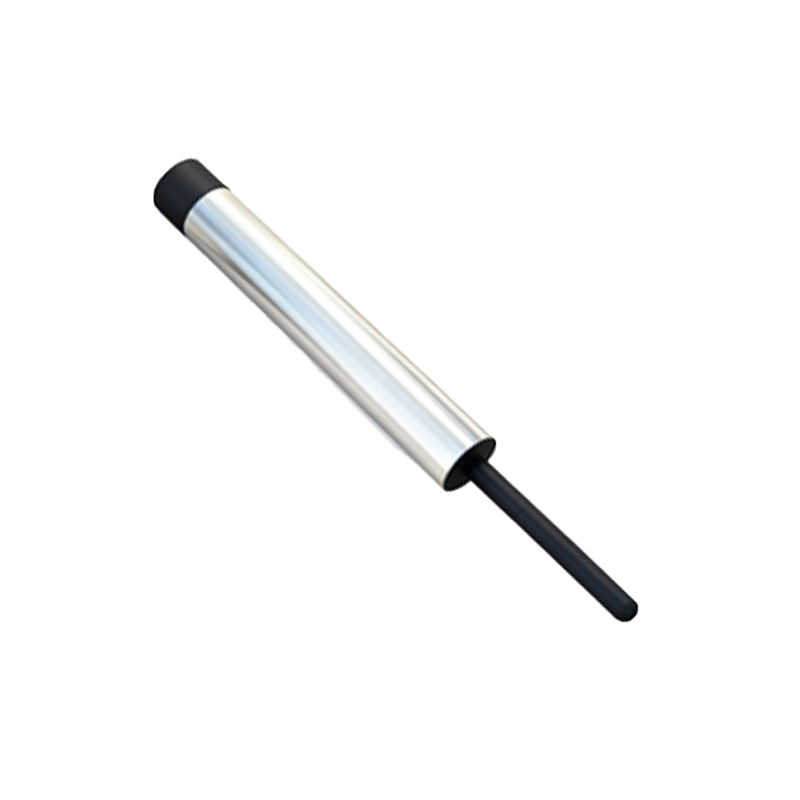
Magnetic Proximity Sensors are designed to detect permanent magnets, often using reed switches or Hall effect technology. They are compact, energy-efficient, and reliable for position sensing in cylinders, valves, or safety switches. Hall effect sensors, in particular, offer high accuracy and durability, making them common in automotive and aerospace industries. These sensors typically have short sensing ranges, up to 100 mm, but provide fast response times and immunity to environmental factors like dirt or humidity.
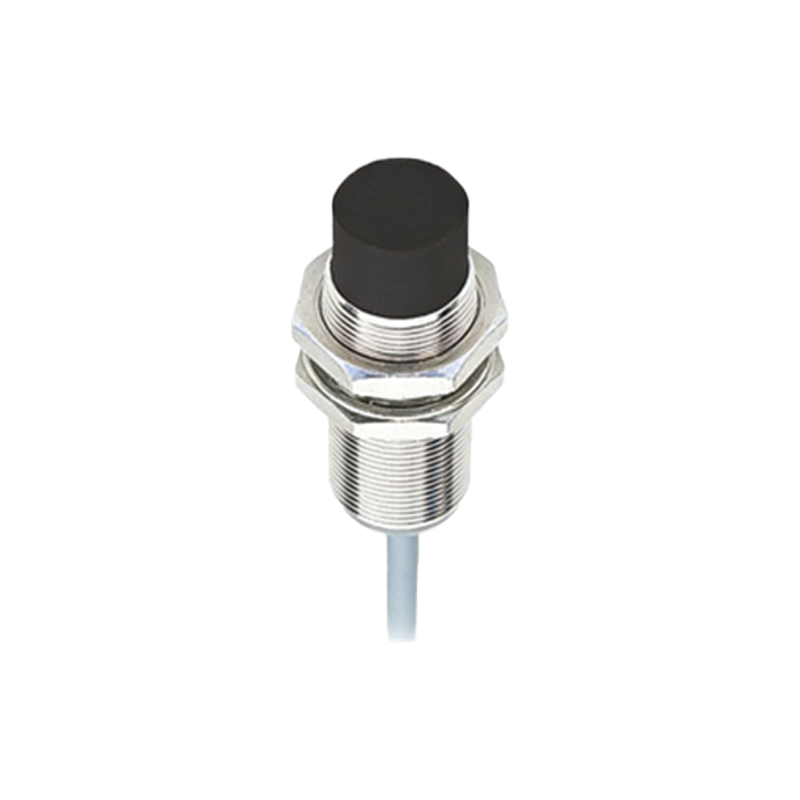
Photoelectric Proximity Sensors use light beams to detect objects, with variants including through-beam, retro-reflective, and diffuse models. Through-beam sensors consist of separate emitter and receiver units, offering long ranges and high accuracy for object detection on production lines. Retro-reflective types use a reflector to bounce light back, suitable for medium-distance applications. Diffuse sensors rely on light reflected directly from the target, ideal for close-range tasks like part presence verification. They can detect diverse materials and are often employed in packaging, printing, and electronic assembly.
Selection of the appropriate proximity sensor model depends on factors such as target material, required sensing distance, environmental conditions, and output requirements. Inductive sensors are preferred for metal detection in rugged settings, while capacitive sensors handle non-metallic substances. Ultrasonic and photoelectric models offer flexibility for complex detection needs, and magnetic sensors provide reliability in compact spaces. Understanding these models ensures optimal performance in automation systems, contributing to enhanced productivity and reduced downtime.
In summary, proximity sensors play a critical role in industrial automation, with each model offering unique advantages. By leveraging technologies like electromagnetic fields, capacitance, ultrasound, magnetism, and light, these devices enable precise, non-contact detection across diverse applications. Engineers must evaluate operational parameters to choose the right sensor, ensuring seamless integration and long-term reliability in automated processes.