In the realm of industrial automation, the integration of proximity switch sensors with electric cylinders represents a critical advancement in precision motion control. Proximity sensors, known for their non-contact detection capabilities, play a pivotal role in enhancing the efficiency, safety, and reliability of electric cylinder systems. These sensors detect the presence or absence of metallic objects without physical contact, making them ideal for harsh environments where dust, moisture, or mechanical wear could compromise performance.
Electric cylinders, or electro-mechanical actuators, convert electrical energy into linear motion, offering a cleaner and more controllable alternative to pneumatic or hydraulic systems. When paired with proximity sensors, they enable sophisticated control schemes that optimize operational cycles. For instance, inductive proximity switches can be mounted along the cylinder’s stroke path to provide real-time feedback on piston position. This feedback is crucial for implementing precise end-of-travel limits, mid-stroke positioning, and collision avoidance. By signaling the control unit—typically a PLC (Programmable Logic Controller) or dedicated motion controller—the sensor ensures the electric cylinder halts or reverses at predefined points, preventing overtravel and mechanical damage.
The selection of proximity sensors depends on application-specific factors such as sensing range, material composition of target objects, and environmental conditions. Inductive sensors are commonly used for detecting ferrous metals in close proximity, with typical sensing distances ranging from a few millimeters to several centimeters. For non-metallic targets, capacitive proximity sensors may be employed, though they are less frequent in electric cylinder setups due to the metallic nature of cylinder components. Additionally, magnetic proximity switches, which respond to permanent magnets embedded in the piston, offer high precision and are often integrated into rodless cylinder designs for compact installations.
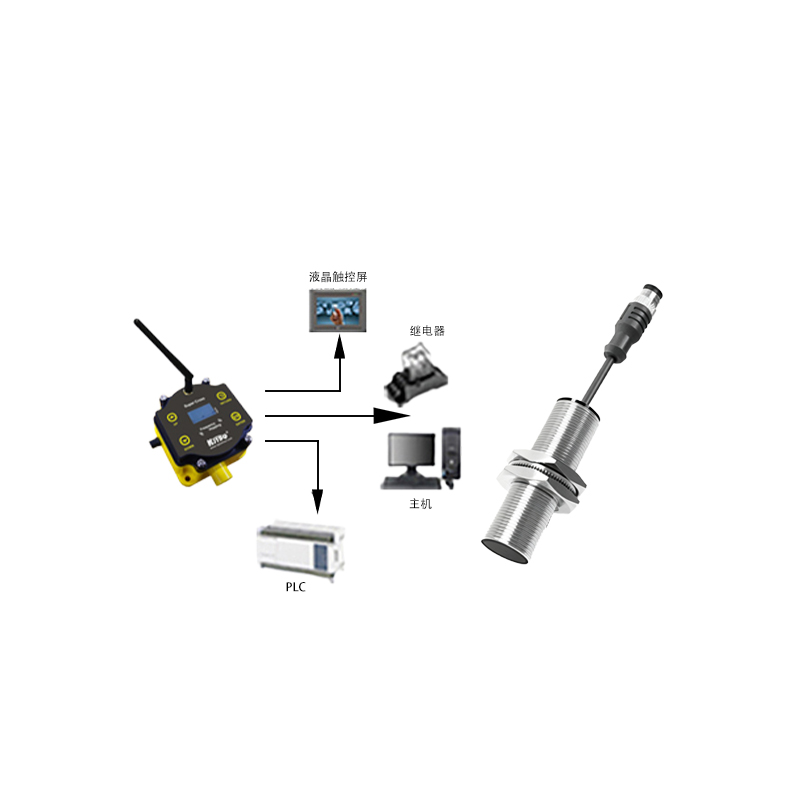
From a control perspective, the integration involves wiring the sensor outputs to digital inputs on the controller. The controller processes these signals to execute logic-based commands, such as initiating a retraction sequence upon detecting an object in the cylinder’s path. This setup facilitates automated workflows in applications like packaging machinery, assembly lines, and material handling systems, where repeatable linear movements are essential. Moreover, the use of proximity sensors contributes to predictive maintenance strategies by monitoring cycle counts and detecting anomalies like misalignment or wear, thereby reducing downtime.
In practice, engineers must consider electrical compatibility, mounting configurations, and noise immunity during installation. Shielded cables and proper grounding are recommended to minimize electromagnetic interference, especially in facilities with high-power equipment. Regular calibration and testing ensure sensor accuracy over time, as factors like temperature fluctuations or buildup of contaminants can affect performance.
Overall, the synergy between proximity switch sensors and electric cylinders underscores a trend toward smarter, more responsive automation solutions. By enabling precise positional control and enhancing system safety, this combination supports industries in achieving higher productivity and operational flexibility. As technology evolves, advancements in sensor miniaturization and wireless communication may further expand their applicability, paving the way for next-generation motion control systems.