In the rapidly evolving landscape of industrial automation and smart device design, space is at a premium. Engineers and designers are constantly challenged to integrate more functionality into smaller footprints without compromising performance or reliability. This is where miniature square proximity sensors have emerged as a critical enabling technology. Their compact, space-efficient form factor makes them indispensable for applications where traditional cylindrical sensors simply cannot fit.
Unlike their cylindrical counterparts, miniature square sensors offer a distinct advantage in PCB (Printed Circuit Board) mounting and integration into tight, rectangular spaces within machinery, consumer electronics, and robotic assemblies. The square housing allows for a more efficient use of board real estate and can often be positioned closer to other components. These sensors typically operate on the principle of inductive, capacitive, or photoelectric sensing. Inductive variants are the most common for metal detection in factory automation, while capacitive sensors can detect non-metallic materials like liquids, plastics, and wood. Photoelectric miniature sensors use a light beam to detect the presence or absence of an object.
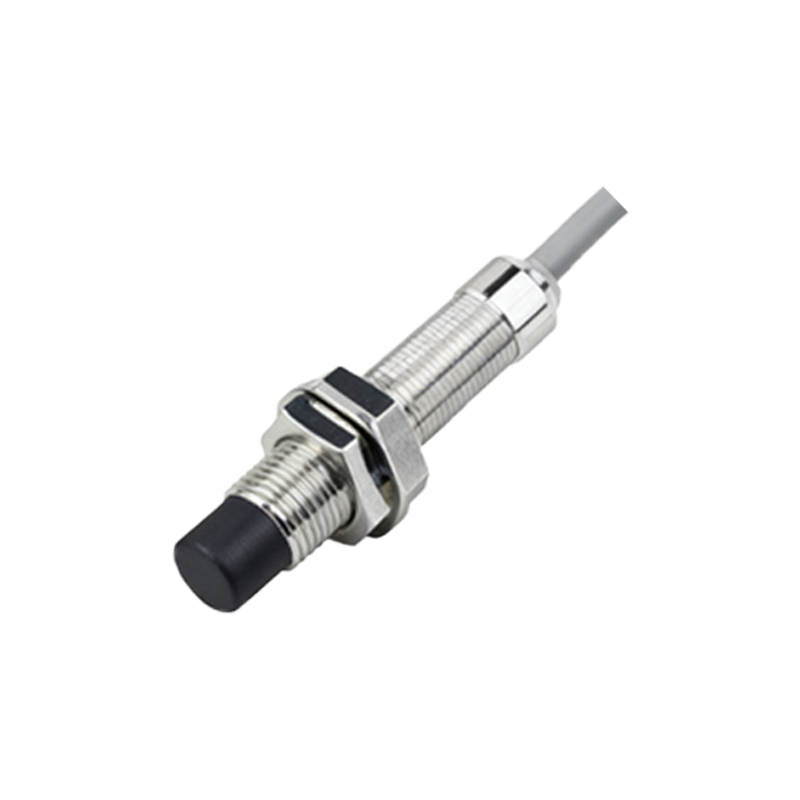
The defining characteristic of these components is their size. Often with face dimensions as small as 4mm x 4mm or 5mm x 5mm, and depths tailored for low-profile installation, they can be embedded in places previously inaccessible. Despite their small stature, modern mini square proximity sensors do not sacrifice key performance metrics. They offer impressive sensing ranges relative to their size, high switching frequencies for fast-moving objects, and robust construction to withstand industrial environments featuring vibration, coolant sprays, and electromagnetic interference. Many models come with built-in protection against short-circuits, reverse polarity, and overloads, ensuring longevity and system safety.
The applications for these tiny workhorses are vast and growing. In the electronics manufacturing sector, they are used for precise PCB positioning, component insertion verification, and counting tiny connectors on a production line. Within the automotive industry, they monitor gear position, detect seat belt latches, and ensure correct assembly in cramped engine compartments. The rise of collaborative robots (cobots) has further driven demand, as these robots require numerous, unobtrusive sensors for safe human interaction and precise motion control in their joints and grippers. Beyond heavy industry, they are found in office equipment like printers for paper jam detection, in medical devices for fluid level sensing, and in consumer appliances for door closure detection.
Selecting the right miniature square proximity sensor requires careful consideration of several parameters. The sensing distance, typically specified in millimeters, must be suitable for the application while accounting for installation tolerances. The output type—PNP (sourcing) or NPN (sinking)—must be compatible with the controller's input module. Supply voltage range, current consumption, and output current capacity are also crucial for electrical integration. Furthermore, the housing material, often made from nickel-plated brass, stainless steel, or PBT plastic, must be chosen based on the environmental conditions, such as exposure to chemicals or washdowns.
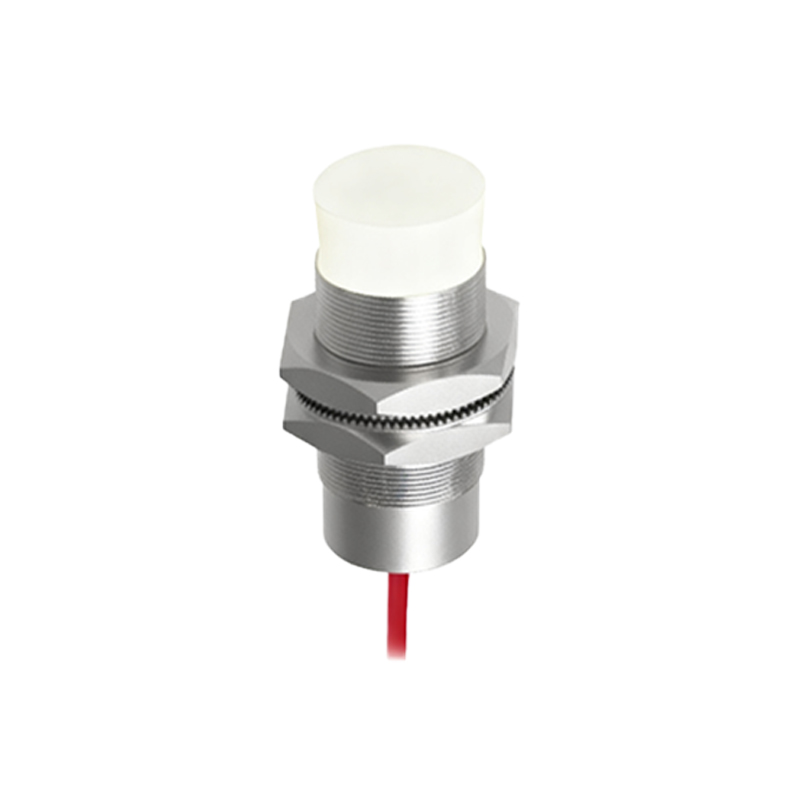
Installation is straightforward but demands precision. The square design often facilitates easier alignment and mounting using integrated brackets or threaded holes. A critical best practice is to ensure adequate clearance from surrounding metal objects, as this can affect the effective sensing range, a phenomenon known as shielding. Manufacturers provide detailed mounting guidelines in their datasheets to optimize performance.
Looking ahead, the trend toward miniaturization shows no signs of slowing. Future iterations of miniature square proximity sensors will likely feature even smaller packages, enhanced sensing intelligence like IO-Link communication for digital parameter setting and diagnostics, and improved resistance to extreme conditions. This continuous innovation will unlock new possibilities in micro-automation, wearable technology, and advanced robotics.
In conclusion, miniature square proximity sensors represent a perfect synergy of form and function. Their compact geometry solves spatial constraints, while their advanced sensing capabilities deliver reliable performance. For any design engineer tasked with making equipment smaller, smarter, and more efficient, these sensors are not just an option; they are a fundamental component in the toolkit of modern automation.