In the world of industrial automation and electronic control, proximity switch sensors are indispensable components. These devices detect the presence or absence of an object without any physical contact, enabling precise, reliable, and wear-free operation in countless applications. Unlike mechanical limit switches, proximity sensors offer a silent, high-speed, and long-lasting solution for object detection, positioning, and counting tasks.
The fundamental principle behind most proximity sensors involves generating an electromagnetic field or a beam of radiation. When a target object enters this field, it causes a change in the sensor's state. This change is then converted into an electrical signal that can be used by a control system, such as a programmable logic controller (PLC). The key advantage is the complete absence of physical contact, which eliminates mechanical wear and tear, reduces maintenance needs, and allows for detection of fragile or sensitive objects.
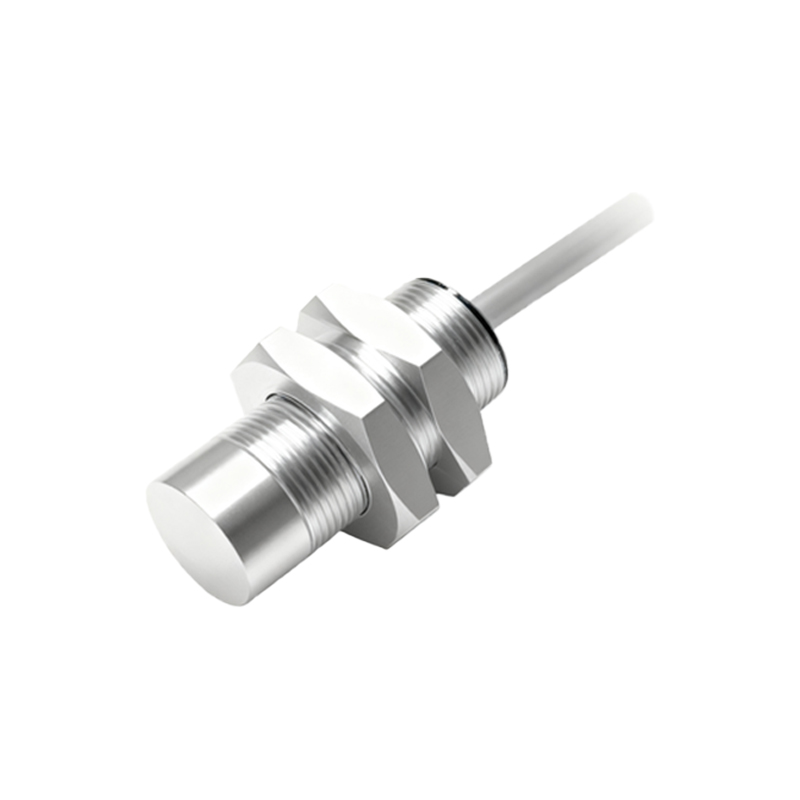
Several primary types of proximity sensors dominate the market, each suited to specific materials and environments. Inductive proximity sensors are among the most common. They generate an oscillating electromagnetic field and detect the eddy current losses caused when a metallic object enters this field. Consequently, they are ideal for detecting metals like steel, aluminum, or copper and are widely used in machine tools, automotive assembly, and material handling. Capacitive proximity sensors, on the other hand, can detect both metallic and non-metallic materials, including liquids, plastics, wood, and granules. They work by sensing changes in capacitance when an object alters the electrical characteristics of the sensor's field. This makes them perfect for level detection in tanks, packaging lines, or detecting filled containers.
For longer-range detection or where a very small sensing area is needed, photoelectric sensors are the preferred choice. They operate by emitting a beam of light (visible, infrared, or laser) and detecting its reflection or interruption. Diffuse, retro-reflective, and through-beam are the main configurations, offering solutions for diverse challenges from conveyor belt monitoring to complex robotic guidance. Lastly, ultrasonic proximity sensors use sound waves beyond human hearing. They measure the time taken for an echo to return after emitting a pulse, calculating the distance to an object. They excel in harsh environments with dust, smoke, or vapors where optical sensors might fail, and are commonly used for liquid level control, distance measurement, and presence detection of irregularly shaped objects.
Selecting the right proximity sensor requires careful consideration of several factors. The material of the target object is paramount; inductive for metals, capacitive for nearly anything else. The required sensing distance, or range, must be specified, ensuring a safety margin from the stated nominal range. Environmental conditions like temperature extremes, presence of chemicals, water (requiring specific IP ratings for ingress protection), and electrical noise can severely impact performance. The output type is another critical decision: traditional two-wire AC/DC sensors, three-wire DC sensors with NPN (sinking) or PNP (sourcing) transistor outputs, or analog outputs for distance-proportional signals. The physical housing size and shape must also fit the mechanical constraints of the application.
The applications of proximity sensors span virtually every industry. In automotive manufacturing, they ensure precise positioning of parts for welding and assembly. In food and beverage processing, capacitive and ultrasonic sensors monitor fill levels without contact, maintaining hygiene. On packaging lines, photoelectric sensors count products and verify label placement. In the realm of consumer electronics, miniature inductive sensors detect whether a smartphone's flip cover is open or closed. Their role in enabling safety systems—like ensuring a guard door is closed before a machine starts—is equally vital.
In conclusion, proximity switch sensors are the silent workhorses of modern automation. Their ability to provide non-contact, reliable detection drives efficiency, safety, and quality across global industries. Understanding their operating principles, types, and key selection criteria is essential for engineers and technicians to implement robust and effective control systems. As technology advances, these sensors continue to become smarter, smaller, and more integrated with industrial communication networks, solidifying their critical role in the factories and systems of today and tomorrow.