In today's world, where air quality awareness is at an all-time high, the demand for accurate and reliable monitoring technology is surging. For engineers, product developers, and system integrators, finding a high-performance laser dust sensor that is immediately available can be a critical path blocker. This article explores the current landscape of laser dust sensors in stock, their core technology, and the practical advantages of sourcing ready-to-ship units for your air quality projects.
Laser dust sensors represent a significant leap forward from traditional infrared-based particle counters. At their core, they utilize a laser diode to illuminate airborne particles. A photodetector then measures the light scattered by these particles in a precisely engineered chamber. This method, known as laser scattering or light scattering, allows for the detection of much smaller particulate matter (PM) – typically PM2.5 and PM10 – with far greater precision and sensitivity. The sensor's internal algorithm converts this scattered light signal into a digital concentration value, providing real-time data on airborne particle levels.
The primary advantage of opting for a laser dust sensor that is currently in stock is the drastic reduction in project lead time. Development cycles accelerate, product launches can meet market windows, and maintenance or upgrade projects face minimal downtime. For businesses, this immediacy translates directly into cost savings and competitive advantage. Available sensors often come from established manufacturers with proven track records, meaning you are not just buying a component but also investing in reliability and consistent performance backed by existing user data and support.

When evaluating in-stock laser dust sensors, several technical specifications are paramount. Look for the particle size range, commonly PM1.0, PM2.5, and PM10. Accuracy and resolution are critical; a good sensor should have a low margin of error even at varying concentration levels. The response time determines how quickly the sensor reflects changes in air quality. Also, consider the interface: UART (serial) and PWM (pulse-width modulation) outputs are industry standards for easy integration into various host systems. Physical size and power requirements must align with your product design constraints.
These readily available sensors are the building blocks for a vast array of applications. They are integral to smart home devices like air purifiers and HVAC systems, enabling automatic operation based on actual pollution levels. In industrial settings, they monitor workplace safety, ensuring compliance with air quality standards. They are also deployed in urban environmental monitoring networks, providing the data needed for public health advisories. The versatility of a compact, accurate laser sensor makes it a cornerstone of the Internet of Things (IoT) for environmental sensing.
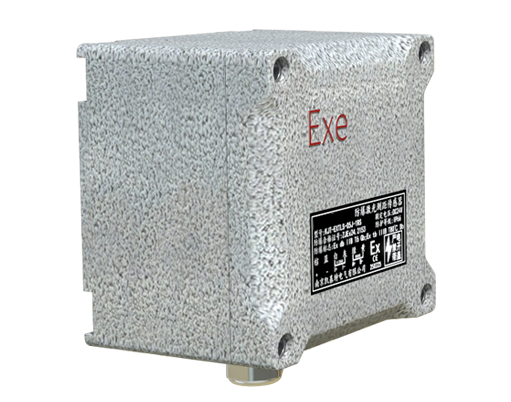
Procuring a sensor from available stock also simplifies the integration process. With the physical component on hand, engineers can immediately begin prototyping, testing, and software development. This hands-on approach allows for the early identification of any compatibility issues and streamlines firmware calibration for specific use cases. Furthermore, suppliers with consistent inventory typically offer comprehensive datasheets, application notes, and sometimes even sample code, which significantly de-risks the integration phase.
While the convenience of an in-stock sensor is clear, it is essential to source from reputable distributors or manufacturers. Verify the sensor's calibration standards and whether it follows recognized methodologies. Check for certifications that might be required for your target market. A reliable supplier will provide clear documentation on sensor longevity, maintenance cycles (such as fan cleaning), and expected operational lifespan under normal conditions.
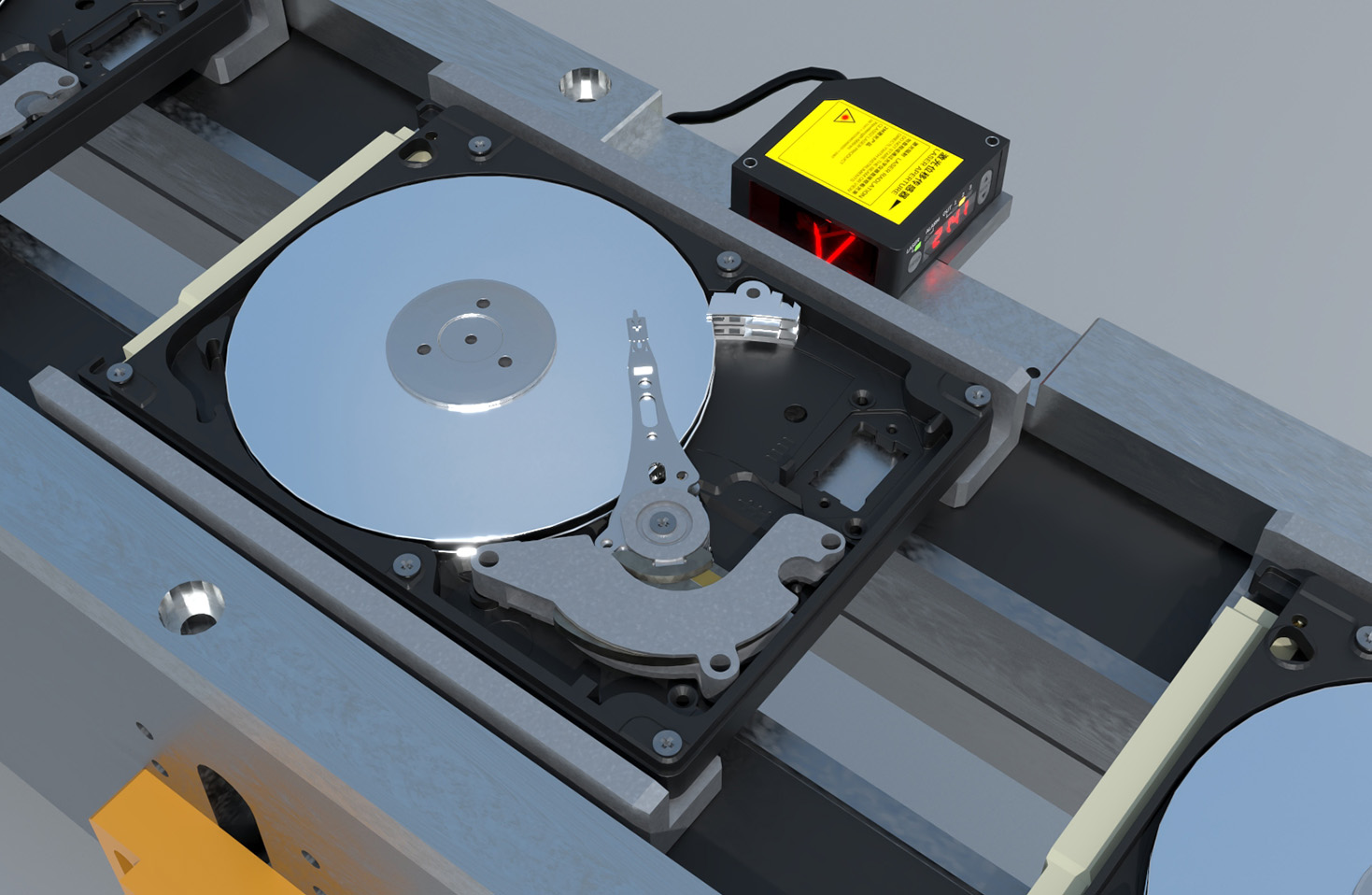
The market for laser dust sensors is dynamic, with continuous improvements in miniaturization, power efficiency, and data output sophistication. Choosing a sensor that is currently available does not mean compromising on technology; many in-stock models incorporate the latest advancements. The key is to align the sensor's specifications with your project's precise requirements for accuracy, form factor, and data interface.
In conclusion, the availability of laser dust sensors in stock presents a tangible opportunity to advance air quality monitoring projects with speed and confidence. By understanding the technology, carefully reviewing specifications for your application, and partnering with a credible supplier, you can secure a high-quality sensing solution that delivers immediate value. This enables faster innovation and deployment of systems that contribute to healthier indoor and outdoor environments, meeting the growing global demand for cleaner air.