Rotary encoder proximity sensors, often referred to as code wheel or encoder disc sensors, are pivotal components in modern industrial automation and motion control systems. These devices serve as the critical interface between mechanical movement and electronic control, translating rotational position, speed, and direction into precise digital or analog signals for processing by programmable logic controllers (PLCs), drives, and other control units.
At its core, a rotary encoder proximity sensor system consists of a rotating code disc and a stationary sensing head. The code disc, typically made of metal, glass, or polymer, is mounted directly onto the shaft of a motor or rotating machine element. Its surface is patterned with alternating opaque and transparent segments (in optical types) or with a series of teeth and gaps (in magnetic or inductive types). The stationary sensor head, positioned in close proximity to the edge of this disc, contains the sensing element—which could be an inductive proximity switch, a Hall-effect sensor, a capacitive sensor, or an optical emitter-detector pair. As the disc rotates, the alternating pattern of segments passes by the sensor head. Each transition from one segment to the next causes a detectable change in the sensed field (magnetic flux, capacitance, or light intensity), which the sensor converts into an electrical pulse.
The primary function is to provide real-time feedback on rotational parameters. By counting the number of pulses generated per revolution, the system can determine the shaft's angular position with high resolution. Furthermore, by measuring the frequency of these pulses, the rotational speed can be accurately calculated. The direction of rotation is often determined using a quadrature output design, where two sensor channels are positioned slightly out of phase. The phase relationship between the pulse trains from Channel A and Channel B indicates whether the rotation is clockwise or counterclockwise.
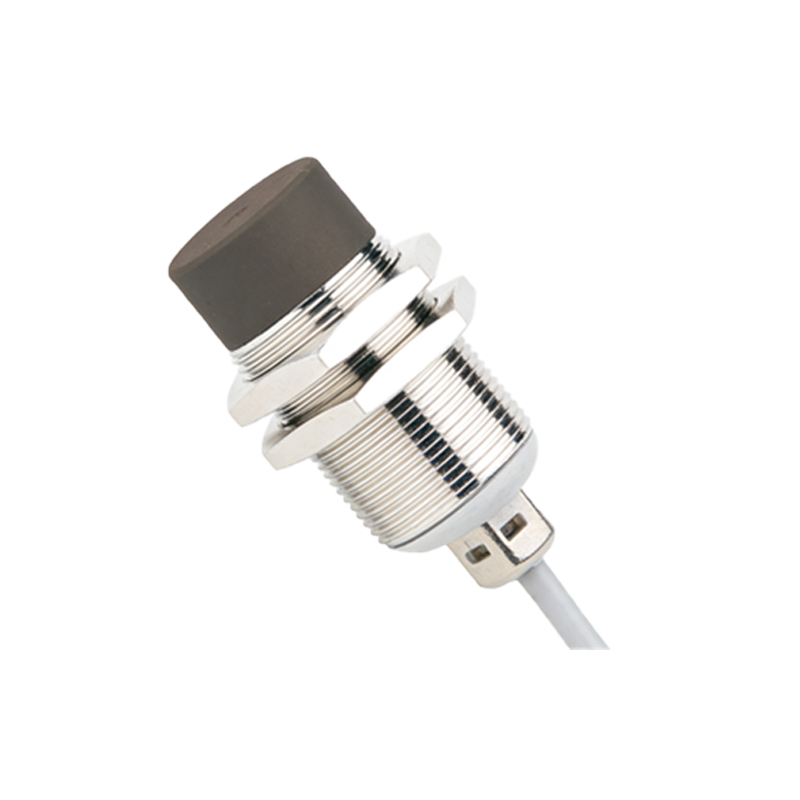
Several key technologies dominate this field. Inductive and magnetic proximity sensors are highly robust, making them ideal for harsh industrial environments with presence of dust, oil, vibration, and temperature variations. They do not require physical contact with the code wheel, eliminating mechanical wear. Optical encoder sensors offer the highest possible resolution and accuracy, as the code disc can be etched with extremely fine gratings. However, they are more sensitive to contamination from dirt or fogging. Capacitive variants provide a good balance and are used in specific applications.
The selection criteria for an appropriate rotary encoder proximity sensor are multifaceted. Engineers must consider the required resolution (pulses per revolution), accuracy, repeatability, and the maximum operational speed. Environmental factors are equally critical: the sensor's Ingress Protection (IP) rating, its tolerance to shock and vibration, and its operational temperature range must match the application's conditions. The output signal type is another vital decision point. Common outputs include NPN/PNP transistor switches for simple limit detection, push-pull lines, or differential line driver outputs (like RS-422) for noise immunity in long cable runs. Analog outputs (0-10V, 4-20mA) or digital communication protocols (SSI, Profibus, EtherCAT) are used for more complex integrated motion systems.
Applications are vast and span across numerous industries. In automotive manufacturing, these sensors provide precise position feedback for robotic welding and assembly arms. On packaging lines, they ensure accurate filling and labeling by synchronizing conveyor belt movement with actuator operations. In CNC machining centers, they form the backbone of closed-loop servo systems, enabling precise control of spindle and axis positions. They are also indispensable in material handling, textile machinery, printing presses, and renewable energy systems like wind turbine pitch control.
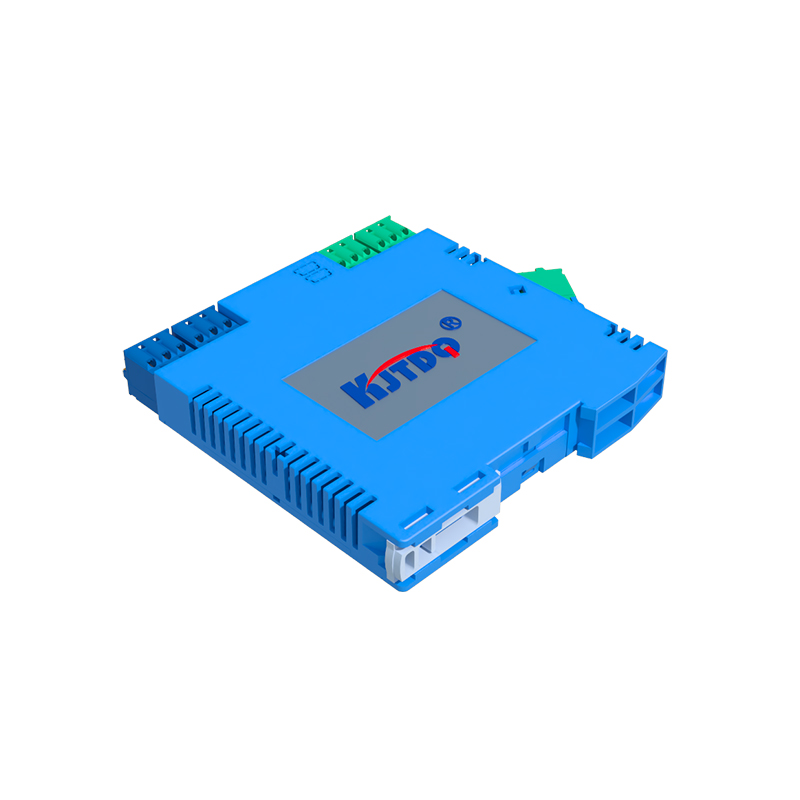
Installation and alignment are crucial for optimal performance. The air gap between the sensor face and the code wheel must be maintained within the manufacturer's specified tolerance. Misalignment can lead to signal dropout, reduced accuracy, or complete failure. Proper shielding and routing of signal cables are essential to minimize electromagnetic interference (EMI) from nearby motors and drives. Regular maintenance involves checking for physical damage, buildup of debris on the sensor or disc, and verifying signal integrity.
Future trends point towards increased integration and intelligence. Sensors with integrated IoT capabilities can transmit diagnostic data—such as temperature, vibration levels, and predictive failure alerts—directly to supervisory systems for condition-based maintenance. The development of more rugged optical sensors and the use of novel materials for code discs are expanding their applicability. Furthermore, the demand for absolute position encoders (which provide a unique digital code for each shaft position, even after a power loss) is growing in safety-critical and high-precision applications.
In conclusion, the rotary encoder proximity sensor is a deceptively simple yet profoundly important device. Its ability to reliably and precisely monitor rotation under challenging conditions makes it an unsung hero of industrial automation. A thorough understanding of its operating principles, types, and application requirements is essential for engineers designing, maintaining, and optimizing automated systems for peak performance and reliability.