In the rapidly evolving landscape of industrial automation, precision measurement and reliable object detection are paramount. Among the suite of available technologies, the laser distance proximity sensor stands out as a critical component for achieving high-accuracy, non-contact sensing. This article delves into the fundamental principles, core technologies, diverse applications, and key selection criteria for these sophisticated devices.
At its core, a laser distance proximity sensor is a non-contact device that measures the distance to a target or detects its presence by emitting a focused beam of laser light and analyzing the reflected signal. Unlike traditional mechanical or ultrasonic sensors, laser sensors utilize coherent light, allowing for extremely precise measurements with high resolution and repeatability. The operating principle primarily falls into two categories: time-of-flight (ToF) and triangulation.
Time-of-flight sensors calculate distance by measuring the time delay between the emission of a laser pulse and the reception of its reflection. The formula is straightforward: Distance = (Speed of Light × Time Delay) / 2. This method is highly effective for longer ranges, typically from a few meters up to several hundred meters, and is commonly used in applications like vehicle detection, bulk material level monitoring, and large-scale surveying.
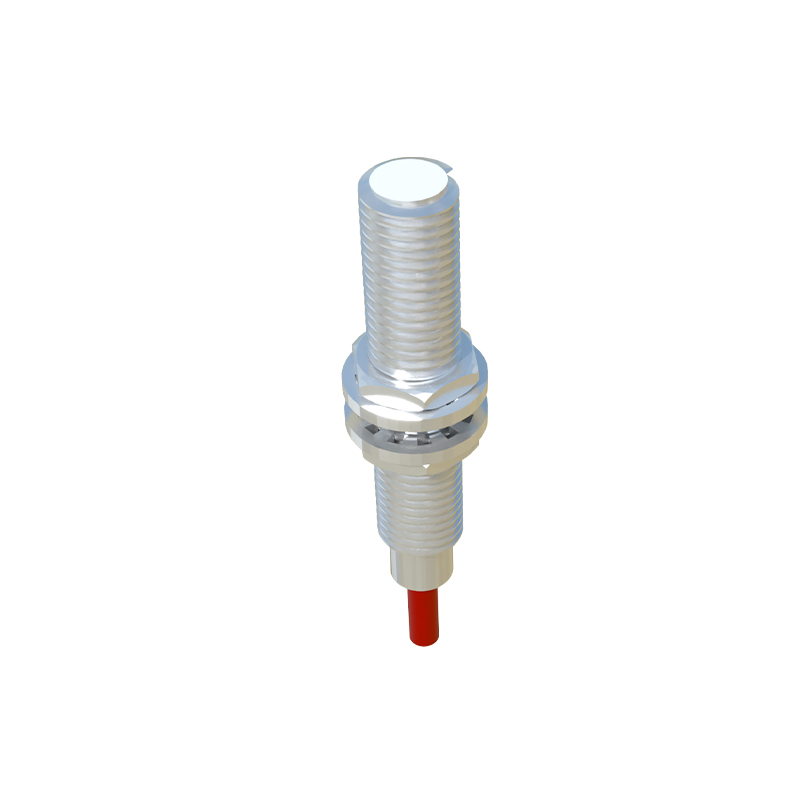
Triangulation-based sensors, on the other hand, are preferred for short to medium-range measurements with exceptional accuracy, often in the sub-millimeter range. Here, a laser diode projects a spot onto the target. The reflected light is focused onto a position-sensitive detector (like a CCD or PSD). As the target distance changes, the position of the reflected spot on the detector shifts. Using geometric triangulation, the sensor's internal processor calculates the exact distance. This principle is ideal for precision tasks such as checking part dimensions, controlling robot positioning, or monitoring wafer thickness in semiconductor fabrication.
The advantages of laser distance proximity sensors are numerous. They offer superior accuracy and resolution compared to ultrasonic or inductive sensors. Their response time is exceptionally fast, enabling use in high-speed production lines. The focused laser beam is less susceptible to interference from ambient light, acoustic noise, or environmental factors like dust (though extreme conditions may require protection). Furthermore, they can measure a wide variety of materials, including metals, plastics, glass, and liquids, regardless of color in most configurations, though highly reflective or absorbent surfaces may require specific sensor tuning.
Applications span virtually every industry. In manufacturing, they are indispensable for precise positioning of robotic arms, conveyor belt monitoring, and quality control checks for thickness, width, or presence. In logistics, they automate warehouse management by measuring package dimensions and guiding automated guided vehicles (AGVs). The automotive industry relies on them for assembly line automation and vehicle crash testing measurement. Beyond industrial settings, they are found in construction for leveling and alignment, in agriculture for crop monitoring, and even in consumer electronics for features like autofocus or gesture recognition.
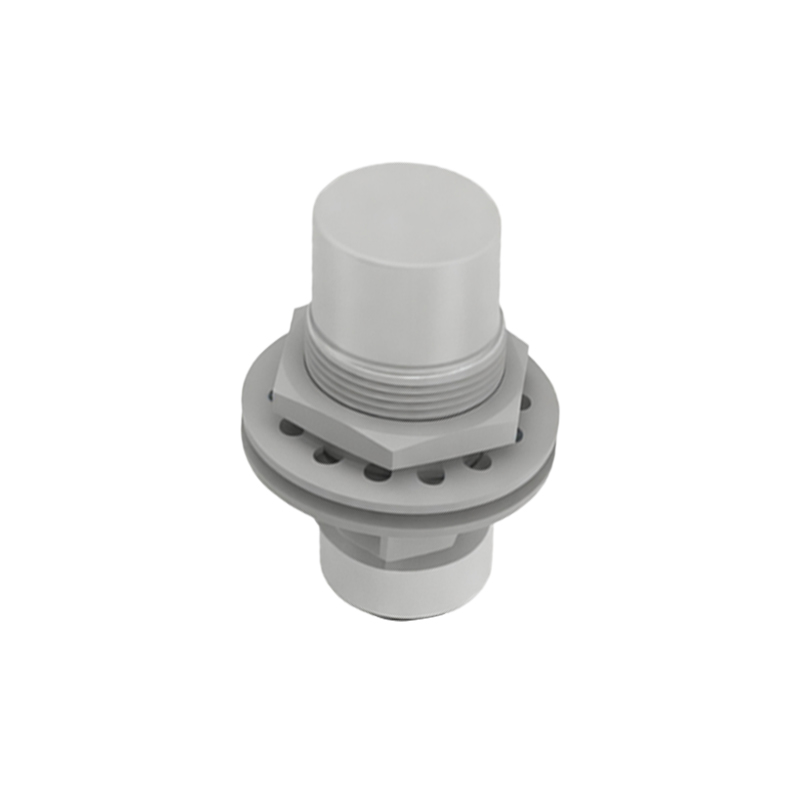
Selecting the right laser distance proximity sensor requires careful consideration of several parameters. First, define the required measuring range and the desired resolution or accuracy. Consider the target properties: Is it reflective, dark, transparent, or textured? This will influence the choice of sensor model and may necessitate special laser types (e.g., red, blue, or infrared). The required output signal is also crucial—common interfaces include analog (4-20 mA, 0-10 V), digital (RS-232, RS-485, USB), or discrete switching signals (PNP/NPN). Environmental conditions such as temperature extremes, humidity, vibration, and exposure to contaminants must be matched with the sensor's ingress protection (IP) rating and housing material. Finally, factors like mounting constraints, response speed, and connectivity for Industry 4.0 systems (IO-Link, Ethernet) should be evaluated.
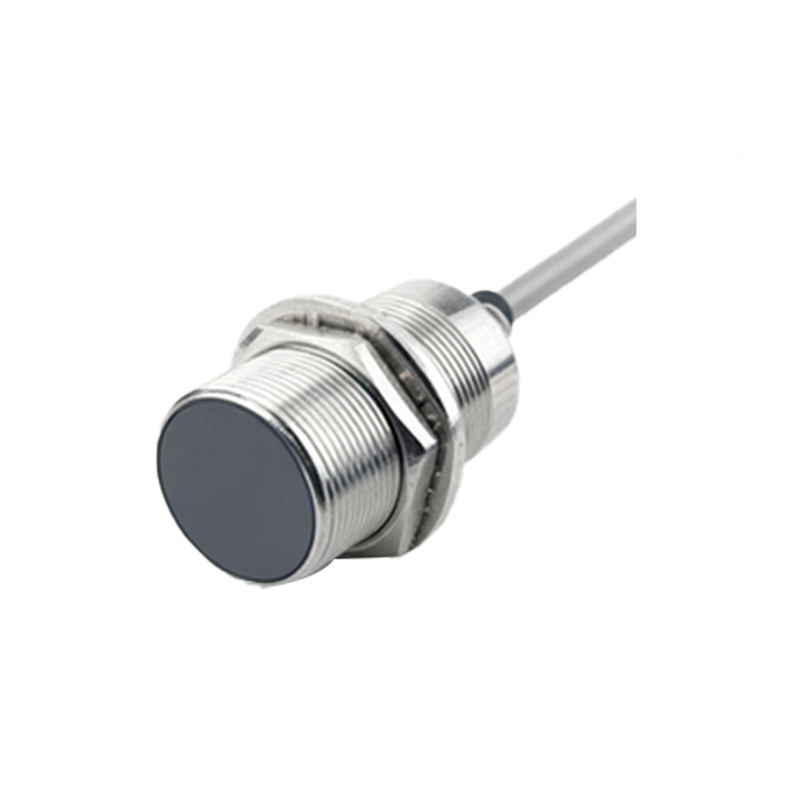
In conclusion, laser distance proximity sensors are powerful tools that bring unparalleled precision and reliability to distance measurement and object detection tasks. By understanding the underlying technologies of ToF and triangulation, along with their respective strengths, engineers and system integrators can effectively harness these sensors to optimize processes, enhance quality, and drive automation forward. As technology advances, we can expect these sensors to become even more compact, intelligent, and integrated into the interconnected systems of the smart factory.