In the rapidly evolving landscape of industrial automation and precision engineering, micro laser sensors have emerged as indispensable tools for non-contact measurement and detection. These compact devices, often measuring just a few millimeters in size, utilize focused laser beams to achieve micron-level accuracy in a wide array of applications, from semiconductor manufacturing to biomedical device assembly.
The core technology behind a micro laser sensor involves the emission of a coherent laser beam towards a target. The sensor then analyzes the reflected light—either through triangulation, time-of-flight, or confocal measurement principles—to determine precise distance, displacement, thickness, or presence. Unlike traditional contact sensors, they eliminate mechanical wear, reduce contamination risks, and enable high-speed inspection of delicate or moving components. For instance, in electronics production, these sensors verify minute solder paste thickness on circuit boards, while in automotive assembly, they ensure precise gap and flush measurements between body panels.
A significant advantage of modern micro laser sensors is their enhanced functionality through integrated smart features. Many models now incorporate advanced algorithms for background suppression, which allows them to reliably detect targets even in environments with complex or reflective backgrounds. Furthermore, the development of ultra-compact models with built-in amplifiers and digital interfaces (such as IO-Link) simplifies integration into Industry 4.0 and IoT frameworks. This connectivity enables real-time data monitoring, predictive maintenance, and seamless communication with PLCs and robotic controllers, driving efficiency in smart factories.
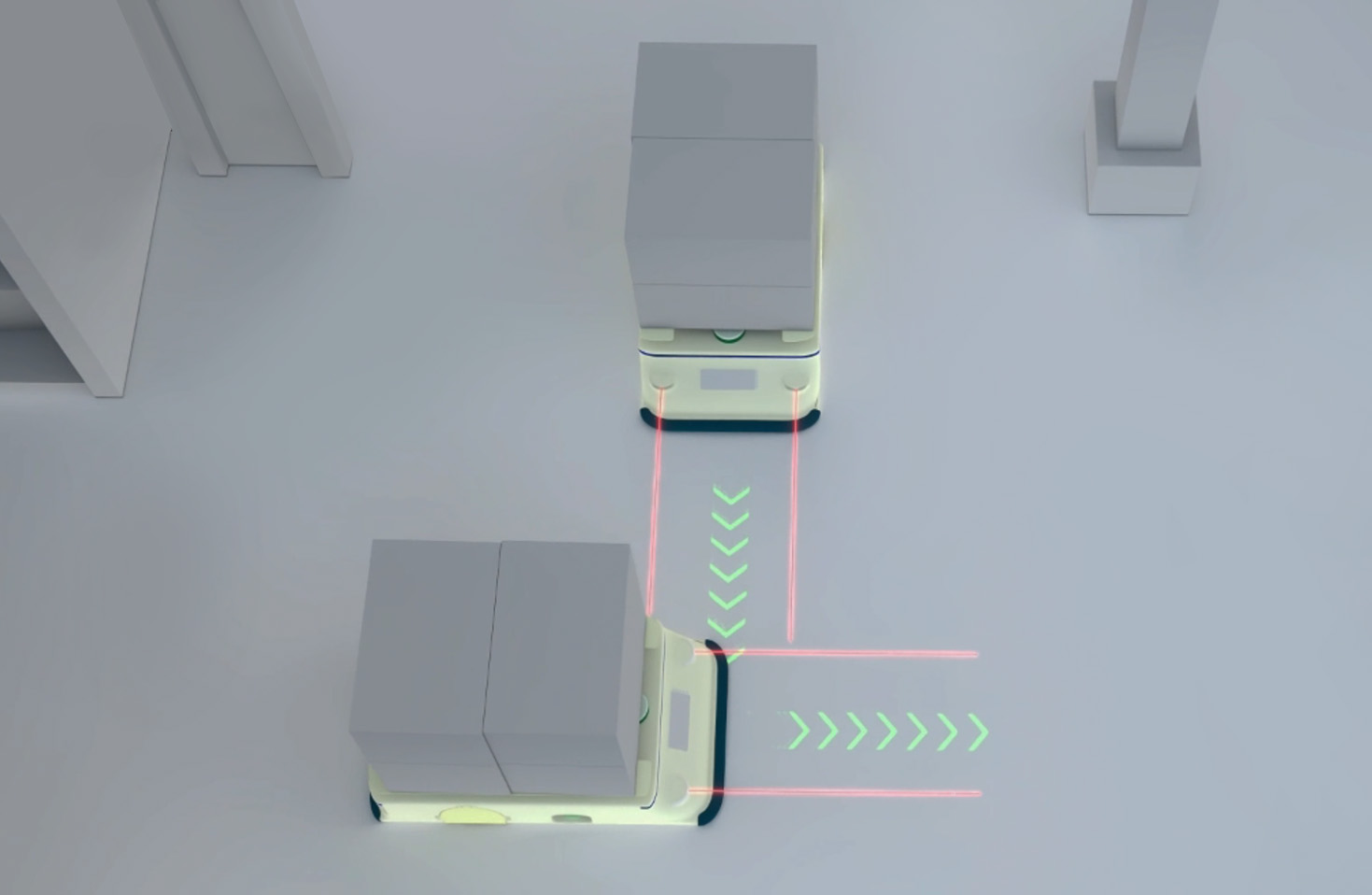
The selection of a micro laser sensor depends heavily on the specific application requirements. Key parameters include measurement range, spot size, repeatability, response time, and environmental durability. For example, a blue laser sensor may be chosen for materials that poorly reflect red laser light, while a sensor with a high IP rating is essential for operation in dusty or washdown conditions common in food and pharmaceutical industries. Calibration and proper alignment are also critical; even a slight misalignment can lead to significant measurement errors, underscoring the need for precise mounting fixtures and initial setup.
Looking ahead, ongoing research is pushing the boundaries of micro laser sensor capabilities. Innovations in miniaturization, multi-point sensing, and hyperspectral analysis are expanding their roles into new sectors like micro-robotics and precision agriculture. As industries continue to demand higher accuracy, smaller footprints, and greater connectivity, micro laser sensors will remain at the forefront of technological advancement, enabling unprecedented levels of quality control and operational efficiency. Their ability to deliver reliable, high-precision data in challenging environments solidifies their status as a cornerstone of modern measurement technology.
