Laser sensors have become indispensable tools across numerous industrial sectors, offering unparalleled precision, reliability, and versatility. Among the diverse range available, 14 distinct types of laser sensors stand out for their specific capabilities and applications. This guide delves into these 14 laser sensor technologies, explaining their principles, advantages, and ideal use cases to aid engineers and system integrators in selection and implementation.
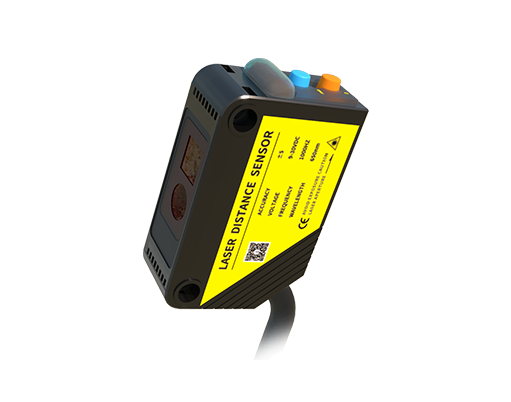
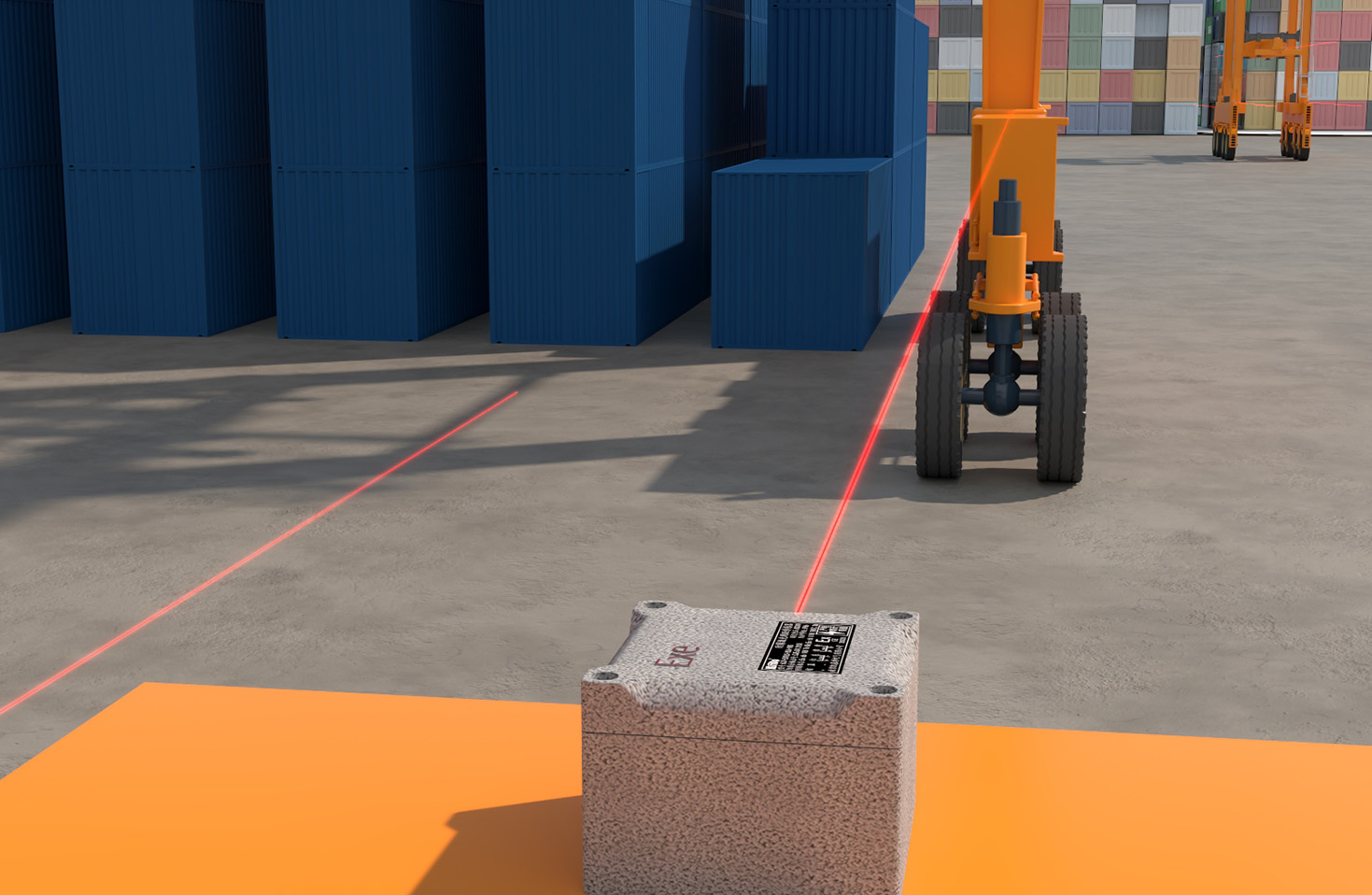
The first category is Laser Distance Sensors. These sensors, including time-of-flight (ToF) and triangulation types, measure the distance to a target with high accuracy. ToF sensors calculate distance based on the time a laser pulse takes to reflect back, ideal for long-range measurements in logistics and automotive assembly. Triangulation sensors, using a laser point and a receiver at a known angle, excel in short-range, high-precision tasks like wafer alignment in semiconductor manufacturing or component inspection.
Next are Laser Displacement Sensors. Often confused with distance sensors, displacement sensors specifically measure the change in position or vibration of an object. They are critical in monitoring runout on motor shafts, checking flatness of metal sheets, or controlling the gap in precision machinery. Their sub-micron resolution ensures process stability in aerospace and automotive production lines.
Laser Profile Sensors project a laser line onto a target. The deformation of this line, captured by a camera, creates a detailed 2D or 3D profile. This technology is revolutionary for quality control, enabling the inspection of weld seams, verification of sealant application, and dimensional analysis of extruded plastics or rolled metals in real-time.
Laser Micrometer Sensors utilize parallel laser beams to perform non-contact diameter and thickness measurements of wires, cables, or small cylindrical components. Their high sampling rate allows for 100% inspection without production slowdown, crucial in the wire drawing and fiber optics industries.
For marking and alignment, Laser Marking Sensors are key. They project a crisp, visible line or pattern onto a surface to guide assembly, cutting, or drilling operations. In woodworking or panel fabrication, they enhance accuracy and reduce setup time.
Laser Edge Detection Sensors specialize in locating the precise edge of a material, such as paper, film, or metal coils. This enables precise slitting, guiding, and splicing in web processing and printing, minimizing material waste.

In safety-critical applications, Laser Safety Scanners create an invisible protective field around hazardous machinery. If the beam is interrupted, the system triggers an immediate stop, safeguarding personnel in robotic cell or press brake environments.
Laser Contrast Sensors detect differences in color, texture, or material on a surface. They are perfect for label verification on packaging lines, reading engraved marks, or sorting materials based on surface finish.
For detecting transparent objects like glass or clear films, Laser Through-Beam Sensors are unmatched. The transmitter and receiver are separate units; detection occurs when the target interrupts the beam. They reliably sense clear bottles on filling lines or transparent packaging.
Laser Diffuse Reflective Sensors have the emitter and receiver in one housing, detecting objects based on the reflection of their own laser light. They are versatile for general presence detection at short to medium ranges, used in conveyor belt counting or detecting non-reflective objects.
Laser Retro-Reflective Sensors use a reflector. The sensor detects an object when it blocks the beam reflected back from the reflector. This allows for longer sensing ranges than diffuse models and is used in door control or pallet detection in warehouses.
Specialized types include Laser Fluorescence Sensors for detecting specific materials or coatings that fluoresce under laser light, and Laser Confocal Displacement Sensors, which use a pinhole to achieve exceptional resolution for measuring ultra-thin films or microscopic surface topography.
The final type is the Laser Particle Sensor, which employs light scattering to detect and count microscopic particles in cleanrooms or monitor air quality in manufacturing environments.
Choosing the right laser sensor depends on factors like required precision, sensing range, target material, environmental conditions (dust, light interference), and integration needs with PLCs or data systems. Understanding the core technology behind these 14 laser sensors empowers engineers to build smarter, more efficient, and safer industrial automation systems, driving productivity and quality to new heights.