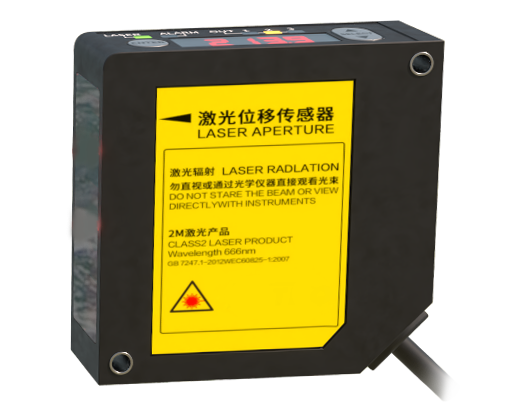
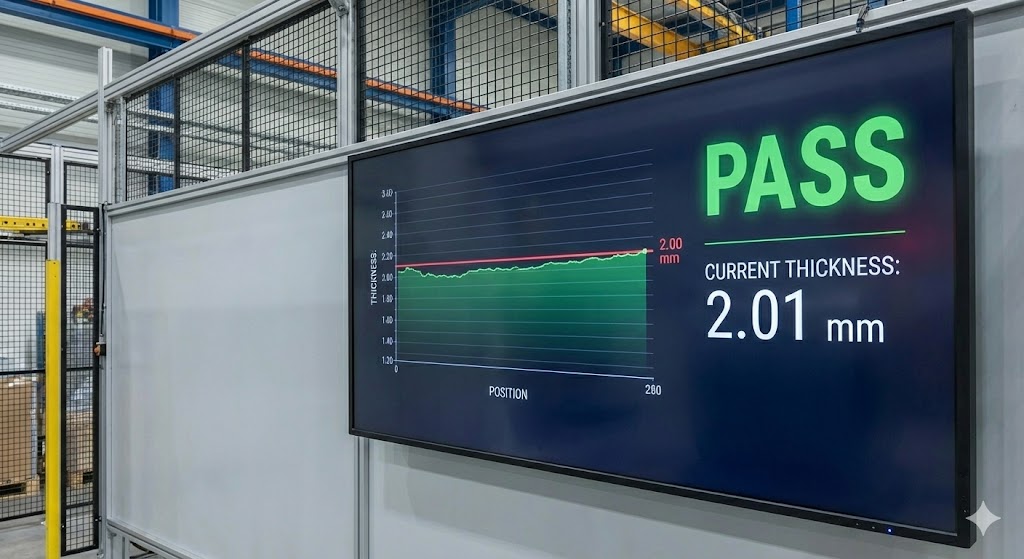
In the rapidly evolving landscape of industrial automation, smart manufacturing, and robotics, Time-of-Flight (TOF) laser sensors have emerged as a cornerstone technology. For system integrators, OEMs, and large-scale project developers, sourcing these critical components through wholesale channels is not merely a procurement decision but a strategic one that impacts cost-efficiency, supply chain stability, and technological competitiveness. This guide delves into the essential considerations for wholesale procurement of TOF laser sensors, tailored for the discerning electrical and automation engineering professional.
TOF technology operates on a straightforward yet powerful principle: it measures the time taken for a laser pulse to travel to a target and back. This time measurement, coupled with the constant speed of light, allows for highly accurate distance calculations. Modern TOF laser sensors integrate this core functionality with advanced signal processing, ambient light suppression, and multi-echo detection capabilities. They are indispensable in applications requiring precise, non-contact measurement over varying distances, from a few centimeters to several meters. Key application domains include automated guided vehicles (AGVs) for navigation and obstacle detection, robotic arm positioning and bin-picking, industrial level monitoring in silos or tanks, and people counting or gesture recognition in smart building systems.
When engaging in wholesale procurement, technical specifications form the bedrock of your evaluation. Beyond the basic range and accuracy, professionals must scrutinize parameters such as measurement frequency (update rate), which dictates system responsiveness. A sensor with a 100Hz update rate is suited for high-speed sorting, while a 1Hz sensor may suffice for static level monitoring. The laser classification (typically Class 1, safe under all conditions) is a non-negotiable safety and compliance factor. Environmental robustness is paramount; look for ingress protection ratings like IP67 for dust and water resistance and operational temperature ranges that match your installation environment. Interface compatibility (e.g., Ethernet/IP, PROFINET, IO-Link, analog outputs, RS-485) determines seamless integration into existing control architectures. Furthermore, consider the field-of-view (FOV), which affects the beam spot size and the ability to detect small or low-reflectivity objects.
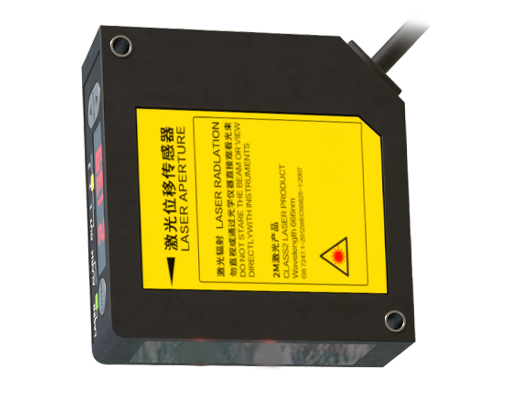
The wholesale market presents a spectrum of suppliers, from established global semiconductor and sensor manufacturers to specialized module producers. Partnering with a wholesale distributor or directly with a manufacturer requires due diligence. Assess their technical support capability—can they provide detailed datasheets, SDKs (Software Development Kits), API documentation, and application engineering assistance? Supply chain reliability and lead time consistency are critical for project planning. A reputable wholesaler should offer volume-based pricing tiers, but also value-added services such as pre-sales consultation, customized firmware options for large orders, and robust after-sales support including warranty and repair services.
Cost considerations in wholesale extend far beyond the per-unit price. The Total Cost of Ownership (TCO) encompasses integration effort, calibration needs, maintenance intervals, and expected lifespan. A marginally cheaper sensor that requires complex shielding or frequent recalibration in harsh environments may incur higher long-term costs. Standardization across multiple projects or production lines by selecting a versatile sensor model can amplify wholesale benefits through volume discounts and reduced spare parts inventory. It is also prudent to evaluate the supplier's roadmap for product evolution to ensure future compatibility and upgrade paths, protecting your investment against premature obsolescence.
In conclusion, wholesale procurement of TOF laser sensors is a multifaceted process demanding a balance of deep technical understanding and strategic supply chain management. By meticulously evaluating specifications against application requirements, partnering with capable and reliable suppliers, and analyzing the total cost of ownership, engineering professionals can secure not just components, but a foundation for reliable, efficient, and innovative automated systems. The right wholesale partnership becomes a catalyst for technological advancement and operational excellence in an increasingly automated world.