In the realm of industrial automation and machinery, ensuring smooth, controlled motion and preventing mechanical damage is paramount. This is where the synergy between buffers and proximity sensors becomes critical. A buffer, often a hydraulic or pneumatic shock absorber, is designed to decelerate a moving load gently and efficiently, converting kinetic energy into thermal energy. However, for optimal performance and system intelligence, the buffer's operation must be precisely monitored and controlled. This is the primary role of the proximity sensor in such applications.
At its core, a proximity sensor is a non-contact device that detects the presence or absence of an object within its sensing field without any physical contact. When applied to buffer systems, these sensors are strategically positioned to detect the position of the moving component (like a cylinder rod, a machine slide, or a door) as it approaches the buffer's engagement point. The most common types used in these demanding environments are inductive and magnetic proximity sensors.
Inductive proximity sensors are the workhorses for detecting metallic targets. Their operating principle is based on electromagnetic induction. The sensor contains an oscillator circuit that generates a high-frequency electromagnetic field at its active face. When a ferrous or non-ferrous metal object enters this field, eddy currents are induced on the surface of the target. These eddy currents draw energy from the oscillator, causing a change in its amplitude. An evaluation circuit within the sensor detects this amplitude drop and triggers a solid-state switch, changing the output state (e.g., from OFF to ON). This signal is then sent to the machine's Programmable Logic Controller (PLC) or control system. In a buffer application, an inductive sensor might be mounted to signal when a pneumatic cylinder piston is within, say, 10mm of its end-of-stroke position, indicating that the buffer should begin its damping action or that the motion profile should be adjusted.
For applications involving non-metallic components or where sensing through non-metallic materials is necessary, magnetic proximity sensors, specifically reed switch or Hall-effect types, are employed. These sensors detect the presence of a permanent magnet, typically embedded in the moving part, such as a piston within a hydraulic cylinder. The reed switch type contains two ferromagnetic reeds sealed in a glass tube. When a magnetic field of sufficient strength from the approaching magnet is applied, the reeds attract each other and make contact, closing an electrical circuit. Hall-effect sensors, which are solid-state and more robust, generate a voltage change when exposed to a magnetic field. Their output is highly precise and not susceptible to contact bounce, making them ideal for high-cycle or critical damping control. The signal from these sensors provides a reliable indication of the piston's exact position relative to the buffer.
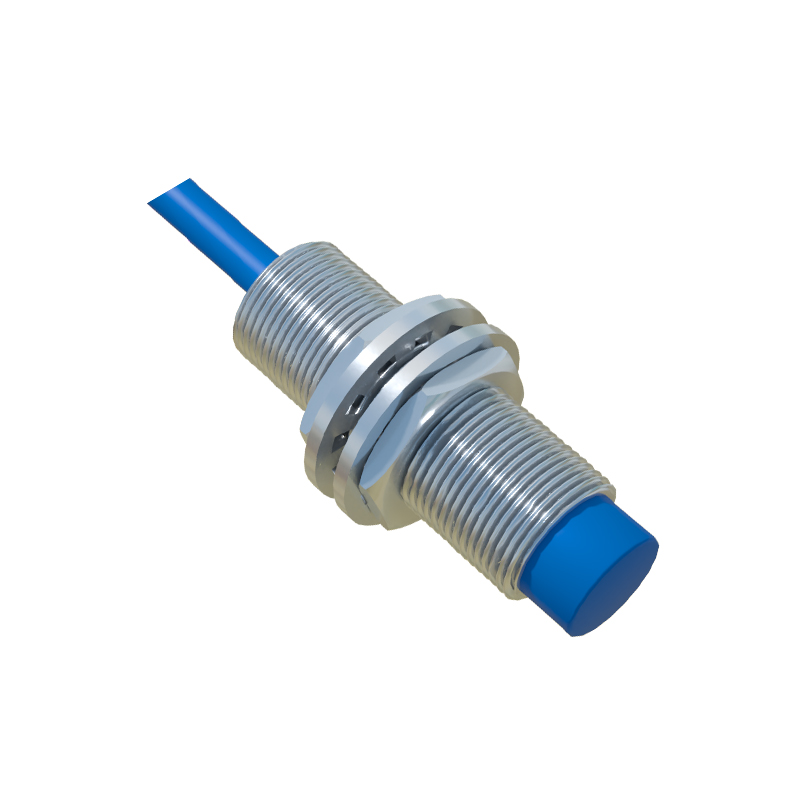
The integration of these sensors transforms a passive buffer into an active, intelligent component of a motion control system. The key functions include:
1. Position Verification: The primary function is to confirm that the moving part has reached a predefined position just before or at the point of buffer engagement. This confirms the system is operating within its designed parameters.
2. Sequencing Control: The sensor signal can be used to initiate subsequent actions in an automated sequence. For example, once a sensor confirms a door is fully closed and buffered, a locking mechanism can be engaged.
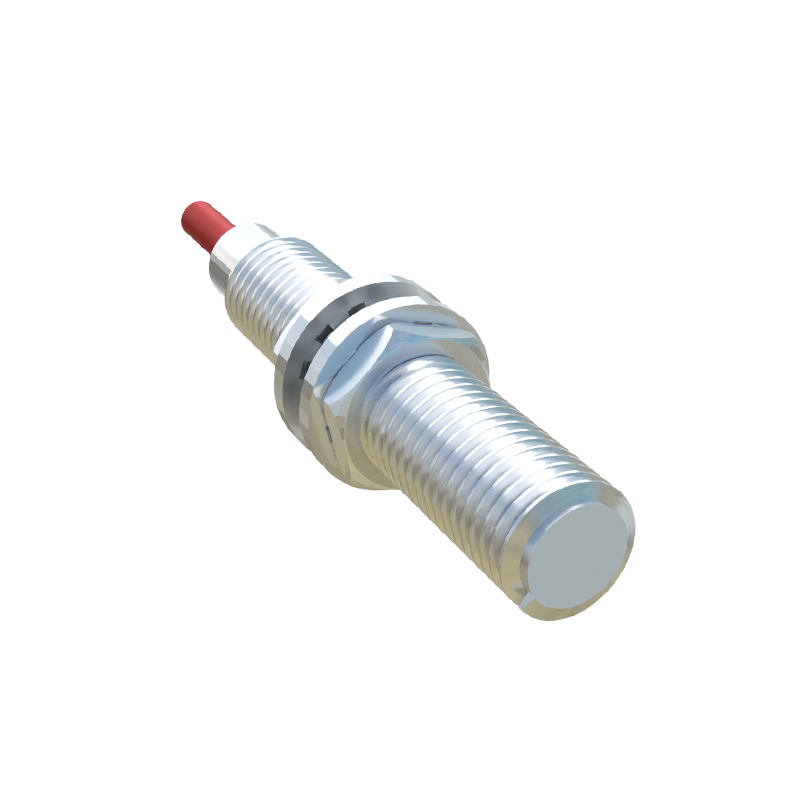
3. Condition Monitoring and Diagnostics: By monitoring the timing of the sensor signal, operators can infer the health of the system. A consistently early signal might indicate excessive speed or reduced load, while a late signal could suggest increased friction, wear in the system, or a failing buffer. This enables predictive maintenance.
4. Safety Interlocking: The sensor can serve as a safety device, ensuring that a machine operation (like a press stroke) only proceeds if the moving part is correctly positioned and buffered, preventing collisions or unsafe conditions.
Selecting the right proximity sensor for a buffer application requires careful consideration. Key parameters include the sensing distance (which must account for the target material and required precision), the housing material (often stainless steel or nickel-plated brass for durability against oil and shock), the electrical output type (PNP/NPN, NO/NC compatible with the control system), and environmental ratings (IP67 or higher for resistance to coolants, dust, and washdowns). Proper shielding is also crucial for inductive sensors in environments with strong electromagnetic interference.
In conclusion, proximity sensors are the essential sensory organs for buffer systems in modern machinery. By providing accurate, real-time feedback on the position of moving components, they enable precise control, enhance operational safety, facilitate predictive maintenance, and ultimately contribute to higher machine efficiency, reliability, and longevity. Their non-contact nature ensures long service life and reliable operation even in the harsh, high-vibration environments typical of industrial damping applications. Understanding the principles of inductive and magnetic sensing technologies is fundamental for engineers designing robust and intelligent motion control solutions.