In the industrial automation and control sector, proximity sensors are critical components for detecting the presence or absence of objects without physical contact. They are the unsung heroes on production lines, in robotic cells, and within machinery, ensuring precision, safety, and efficiency. A common challenge faced by maintenance engineers, plant managers, and procurement specialists is the decision of what to do when an original equipment manufacturer (OEM) sensor fails or needs replacement, and a non-OEM (also called generic, third-party, or compatible) alternative is considered. The dilemma often revolves around cost, availability, and performance. This article provides a professional, step-by-step guide on how to responsibly evaluate, select, and integrate non-OEM proximity sensors into your systems.
The primary driver for considering non-OEM sensors is almost always cost reduction. OEM parts can carry significant price premiums due to branding, bundled engineering services, and supply chain agreements. Non-OEM alternatives can offer savings of 30% to 60%, which is compelling for operations with tight budgets or high-volume replacement needs. The second major factor is lead time. An OEM sensor might be on backorder for weeks, while a compatible unit from a reputable distributor could be available off-the-shelf, minimizing costly machine downtime.
However, the initial cost and availability advantages must be weighed against potential risks. The first and most critical step is Technical Specification Analysis. Do not assume compatibility based solely on physical dimensions or connector type. Obtain the datasheet for the failed OEM sensor and create a checklist:
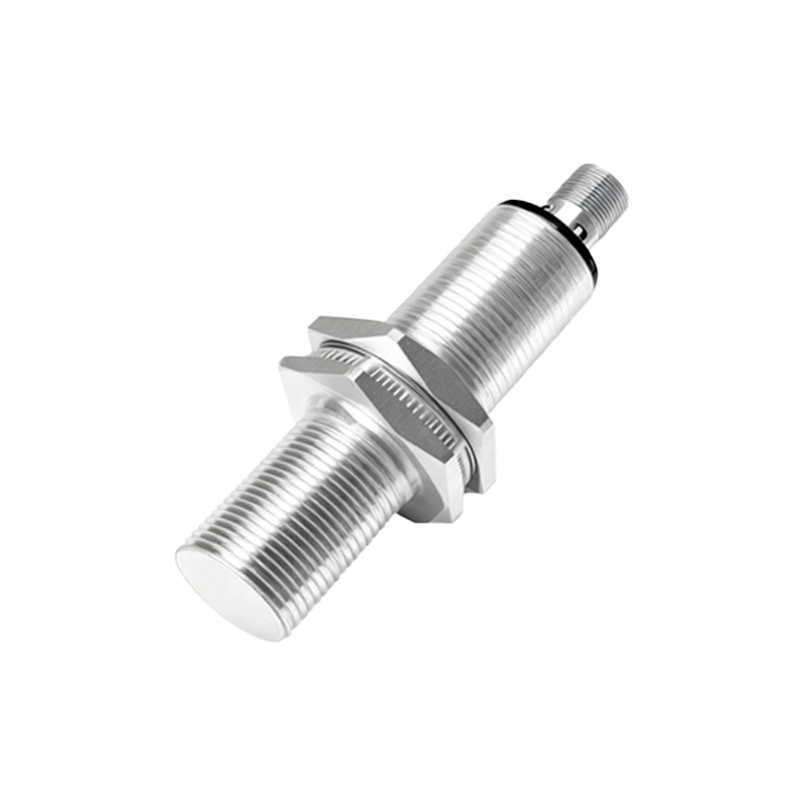
Sensing Technology: Is it inductive, capacitive, or magnetic? This is fundamental.
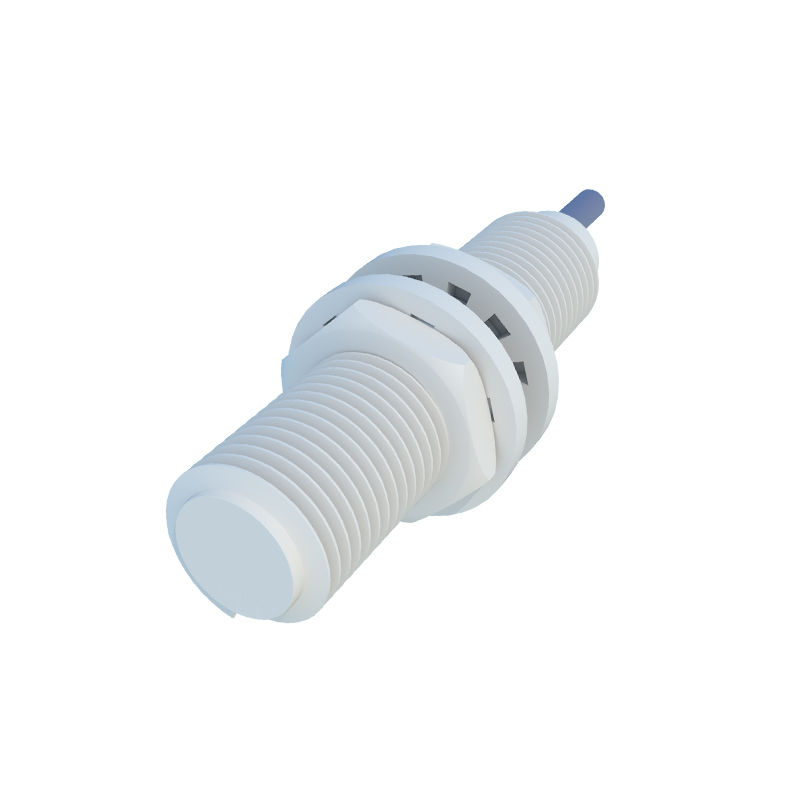
Sensing Range: The nominal and assured operating distances must match or exceed the OEM spec for your application.
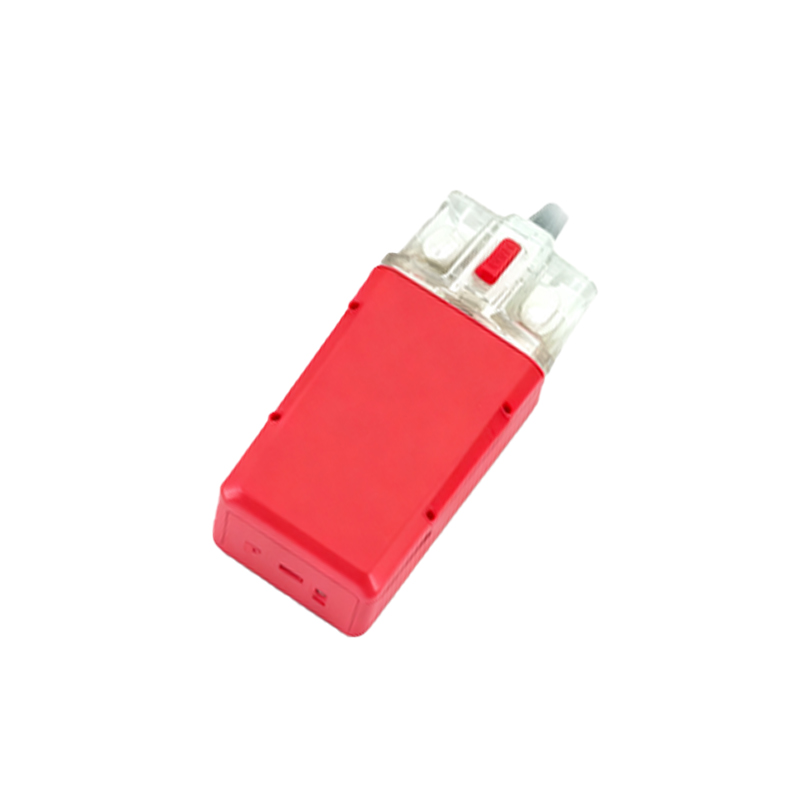
Output Type: PNP vs. NPN, NO (normally open) vs. NC (normally closed), analog vs. discrete. A mismatch here can damage your controller.
Electrical Ratings: Operating voltage range (e.g., 10-30V DC), current consumption, and load current.
Performance Specifications: Switching frequency, repeat accuracy, hysteresis, and temperature rating.
Physical Characteristics: Housing material (e.g., stainless steel for washdown), size, thread type (e.g., M8, M12, M18), and connector (e.g., M12 4-pin).
Special Features: Does the application require short-circuit protection, reverse polarity protection, or an LED status indicator? These are not always standard.
Once you have identified a potential non-OEM match, proceed to Supplier Vetting. Not all "compatible" sensors are created equal. Seek suppliers with a proven track record in industrial components. Look for certifications like ISO 9001, which indicates a quality management system. Read technical reviews and seek recommendations from industry peers. A reliable supplier will provide comprehensive datasheets, application support, and a clear warranty policy.
Bench Testing and Pilot Installation are non-negotiable steps before a full-scale rollout. Order a small sample of the non-OEM sensor. First, bench-test it against the known-good OEM sensor using a simple circuit to verify switching behavior, response time, and sensing range under controlled conditions. Then, install one or two units in a non-critical or less demanding location on your production line. Monitor their performance over several days or weeks, comparing data on reliability, consistency, and any interaction with the control system. This pilot phase can reveal issues like electromagnetic interference (EMI) susceptibility or slight differences in mounting tolerances.
Successful integration often requires attention to Installation and Configuration Details. Even with identical specs, mounting alignment, air gaps, and the sensing target material (e.g., different grades of steel) can affect performance. Ensure the installation follows best practices. For programmable sensors, you may need to adjust sensitivity or timing parameters within your PLC (Programmable Logic Controller) program to account for minor behavioral differences.
Finally, implement a Lifecycle Management Strategy. If you decide to adopt a non-OEM sensor, update your maintenance and procurement records. Standardize on the chosen part number where applicable. However, maintain a small stock of the original OEM sensor for mission-critical applications where failure is absolutely not an option. The goal is to build a diversified, cost-effective, and reliable inventory strategy.
In conclusion, moving to non-OEM proximity sensors is a viable and often intelligent economic decision, but it must be approached with engineering rigor. It is not a simple "plug-and-play" swap. By methodically analyzing specifications, vetting suppliers, conducting thorough testing, and planning for integration, you can achieve significant cost savings without compromising system integrity or uptime. The key is to treat the non-OEM sensor not as a cheap substitute, but as a new component that must earn its place in your