Proximity sensors are indispensable components in modern industrial automation, enabling non-contact detection of objects with high reliability and precision. Their operation is based on various physical principles, each suited to specific applications and environmental conditions. This article provides a detailed summary of the fundamental working principles behind the most common types of proximity sensors used in the electrical and automation industries.
Inductive Proximity Sensors
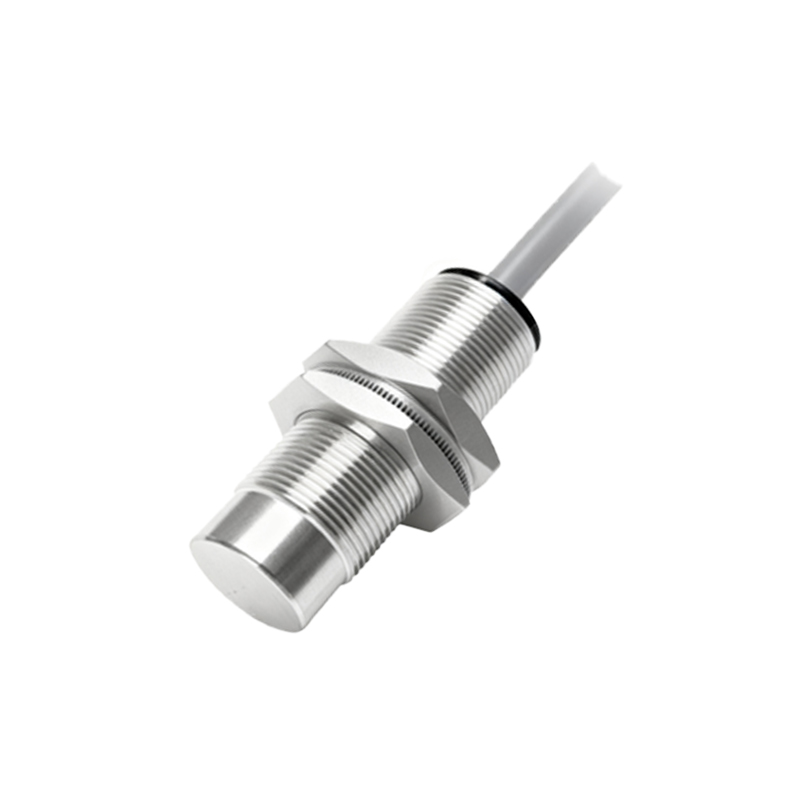
Inductive proximity sensors are designed to detect metallic objects, primarily ferrous metals like iron and steel, though some models can sense non-ferrous metals. The core principle involves an oscillator circuit that generates a high-frequency electromagnetic field at the active face of the sensor. When a metallic target enters this field, eddy currents are induced on the surface of the target. These eddy currents draw energy from the oscillator, causing a reduction in its oscillation amplitude. This change is detected by a threshold circuit, which subsequently switches the sensor's output state (e.g., from OFF to ON). Key characteristics include a relatively short sensing range (typically up to 60mm, depending on the target material and sensor size), high switching frequency, and robustness in harsh, dirty environments. They are immune to non-metallic substances like dust, oil, or water, making them ideal for machine tools, material handling, and automotive assembly lines.
Capacitive Proximity Sensors
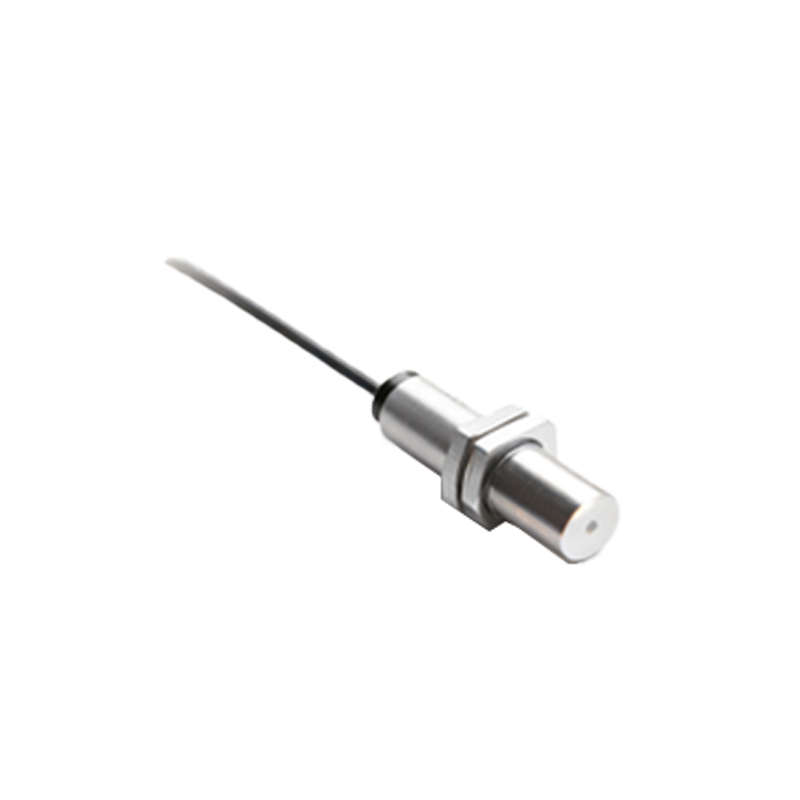
Capacitive sensors can detect both metallic and non-metallic materials, including liquids, powders, plastics, and wood. Their operation relies on changes in capacitance. The sensor face forms one plate of a capacitor, with the target object acting as the other plate, and the intervening space as the dielectric. An internal oscillator is tuned so that it does not oscillate without a target present. As an object approaches, the capacitance increases. Once the capacitance reaches a preset threshold, it allows the oscillator to start oscillating. This oscillation is then processed to trigger an output change. The sensing range is influenced by the target's dielectric constant; materials with higher constants (like water) can be detected from a greater distance. These sensors are commonly used for level detection of liquids or granular materials, presence detection of non-metallic objects, and applications requiring detection through non-metallic container walls.
Ultrasonic Proximity Sensors
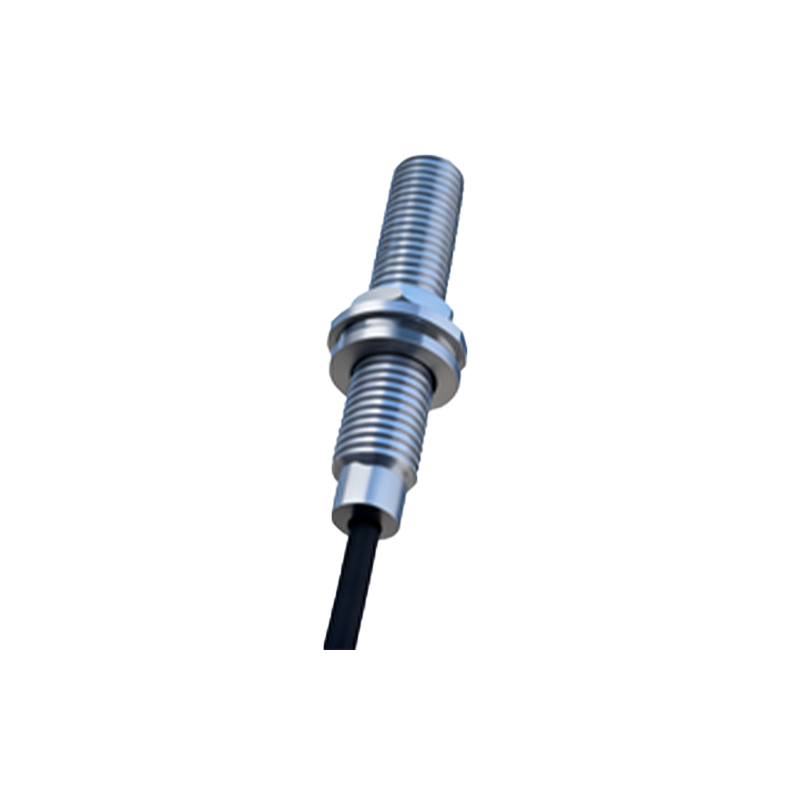
These sensors utilize sound waves beyond the human hearing range (typically >20 kHz). They operate on the time-of-flight principle. A piezoelectric transducer emits a short burst of ultrasonic waves. These waves travel through the air, strike a target object, and are reflected back to the sensor. A receiver transducer detects the echo. An internal electronic circuit measures the time elapsed between the emission and the reception of the echo. Since the speed of sound in air is known, the distance to the target can be calculated precisely. Ultrasonic sensors are excellent for detecting objects of virtually any material, shape, or color, as long as they reflect sound adequately. They offer longer sensing ranges (up to several meters) and are suitable for challenging conditions involving dust, fog, or target translucency. Applications include distance measurement, pallet detection, and liquid level sensing in tanks.
Photoelectric Sensors
Photoelectric sensors use light to detect object presence. They consist of a light emitter (usually an LED producing visible red, infrared, or laser light) and a receiver. Three main operating modes exist: Through-beam (or opposed), Retro-reflective, and Diffuse (or proximity). In Through-beam mode, the emitter and receiver are separate units. An object is detected when it interrupts the light beam. This mode offers the longest range and highest reliability. In Retro-reflective mode, both emitter and receiver are housed in the same unit, and a reflector bounces the light back. Detection occurs when the beam is broken. In Diffuse mode, the sensor uses the light reflected directly from the target itself. The target's reflectivity, color, and surface texture significantly affect the sensing range. Photoelectric sensors are versatile for detecting small objects, transparent materials (with specialized models), and over long distances, but they can be affected by ambient light, dust, and dirt on the lenses.
Magnetic Proximity Sensors (Reed Switches/Hall Effect)
These sensors detect the presence of a magnetic field, typically from a permanent magnet attached to a moving part. Reed switch sensors contain two ferromagnetic reeds sealed in a glass tube. When a magnetic field of sufficient strength is applied, the reeds attract each other and make contact, closing the circuit. Hall Effect sensors are solid-state devices. When exposed to a magnetic field, they produce a voltage difference (the Hall voltage) proportional to the field strength, which is processed by an integrated circuit to provide a digital or analog output. Magnetic sensors are characterized by their simplicity, reliability, long life (especially Hall Effect types), and ability to operate in completely sealed environments. They are widely