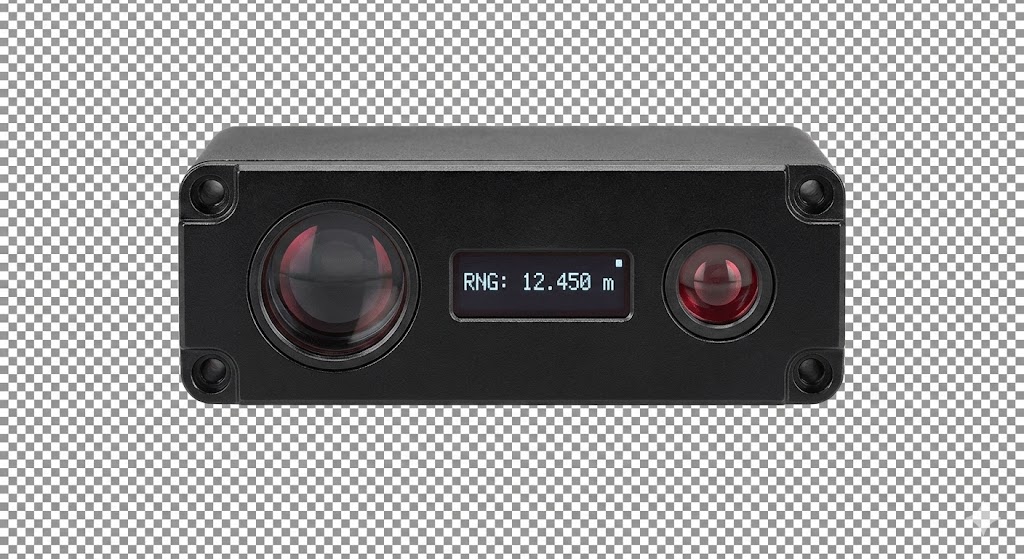
Laser circuit sensors represent a pivotal innovation in electrical engineering, enabling precise non-contact measurement and detection across various industrial applications. These sensors operate by emitting a focused laser beam toward a target object, then analyzing the reflected light to determine parameters such as distance, position, thickness, or presence. Unlike traditional contact-based sensors, laser sensors minimize mechanical wear and interference, offering high accuracy even in challenging environments with dust, vibration, or extreme temperatures.
The core mechanism involves a laser diode that generates coherent light, typically in the visible or infrared spectrum. This light is directed through optical components, such as lenses or mirrors, to create a stable beam. When the beam strikes an object, part of the light is reflected back to a receiver within the sensor, often a photodiode or CCD array. By calculating the time-of-flight, phase shift, or triangulation of the reflected beam, the sensor can derive precise measurements. For instance, in time-of-flight systems, the sensor measures the time taken for the laser pulse to travel to the target and back, converting it into distance data with sub-millimeter accuracy.
In industrial settings, laser circuit sensors are integral to automation and quality control. They are commonly used in manufacturing lines for dimensional inspection, alignment of components, and monitoring of production processes. For example, in the automotive industry, these sensors verify the precise placement of parts during assembly, ensuring consistency and reducing defects. Similarly, in electronics manufacturing, they detect minute flaws on circuit boards or measure solder paste thickness, enhancing product reliability. The non-contact nature also makes them ideal for monitoring moving or fragile objects without causing damage.
Advancements in laser technology have led to the development of more compact, energy-efficient sensors with enhanced capabilities. Modern laser sensors incorporate digital signal processing and microcontrollers, allowing for real-time data analysis and integration with industrial networks like Ethernet/IP or PROFINET. This connectivity supports Industry 4.0 initiatives, enabling predictive maintenance and smart factory operations. Additionally, safety features, such as Class 1 or Class 2 laser classifications, ensure compliance with international standards, minimizing risks to operators.
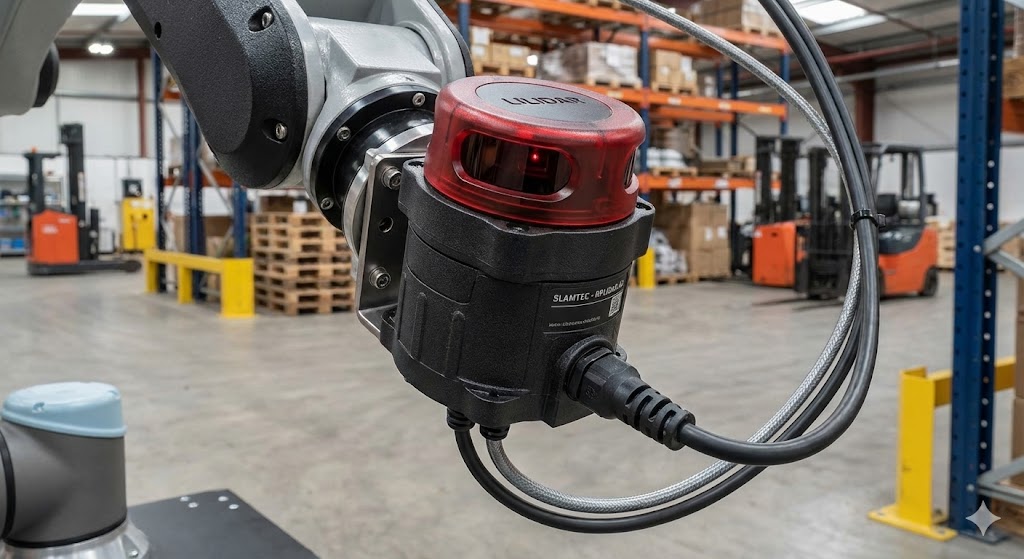
Despite their advantages, laser circuit sensors face challenges, including sensitivity to environmental factors like ambient light or surface reflectivity. Engineers address these issues through adaptive algorithms, filters, or complementary technologies. For instance, sensors with automatic gain control can adjust to varying surface colors, while polarization techniques reduce glare from shiny objects. Regular calibration and proper installation are also crucial to maintain accuracy over time.
Looking ahead, the future of laser circuit sensors lies in further miniaturization, increased precision, and broader application scopes. Emerging trends include the integration of artificial intelligence for anomaly detection and the use of multi-spectral lasers for material analysis. As industries continue to prioritize efficiency and automation, laser sensors will remain a cornerstone of electrical engineering solutions, driving innovation in sectors from robotics to renewable energy. By understanding their principles and applications, professionals can leverage these tools to optimize systems and achieve higher performance standards.