Inductive proximity sensors are fundamental components in modern industrial automation, offering non-contact detection of metallic objects. Based on their operational principles, design variations, and application-specific features, these sensors can be categorized into several distinct types. Understanding these classifications is crucial for engineers and technicians to select the optimal sensor for a given task, ensuring reliability, efficiency, and cost-effectiveness in automated systems.
The most common type is the shielded (flush-mounted) inductive proximity sensor. These sensors feature a metal ring surrounding the sensing face, which concentrates the electromagnetic field radially in front of the sensor. This design minimizes lateral electromagnetic interference, allowing the sensor to be mounted flush with metal surfaces without causing false triggers. Shielded sensors are ideal for tight installation spaces and applications requiring precise detection in metallic environments, such as in machine tools or robotic arms.
In contrast, unshielded (non-flush) inductive proximity sensors lack the surrounding metal shield. Their electromagnetic field extends both radially and laterally from the sensing face, resulting in a longer sensing range compared to shielded models of the same size. However, they require a non-metallic surrounding area for installation to prevent interference from adjacent metal objects. Unshielded sensors are typically used in applications where mounting space permits and a longer detection distance is needed, such as in conveyor systems for counting metallic parts.
Another important category is all-metal detection sensors. Standard inductive sensors are optimized for detecting ferrous metals (like iron and steel) and have reduced sensitivity for non-ferrous metals (such as aluminum, copper, or brass). All-metal detection sensors, however, incorporate specialized oscillator circuits and frequency adjustments to reliably detect both ferrous and non-ferrous metals with consistent sensing ranges. These are essential in mixed-material handling lines, like recycling plants or automotive assembly, where different metal types must be identified.
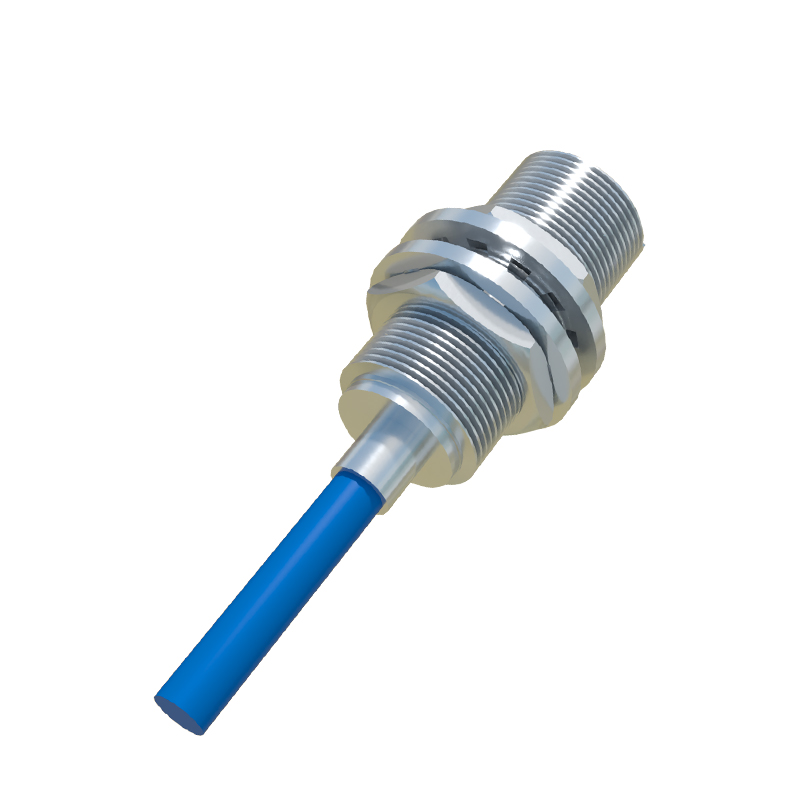
Factor-1 compensated inductive sensors represent a specialized type designed to overcome environmental challenges. Standard sensors can be affected by temperature fluctuations, supply voltage variations, or electromagnetic interference, which may alter their switching points. Factor-1 sensors maintain a constant sensing distance regardless of these influencing factors, providing high stability in demanding conditions such as foundries, welding operations, or outdoor installations. Their precision is critical for safety-related applications and high-accuracy positioning systems.
Miniaturization trends have led to the development of miniature and subminiature inductive sensors. With housing diameters as small as 3mm to 4mm, these compact sensors are engineered for space-constrained applications where standard-sized sensors cannot fit. Despite their small size, they offer reliable detection and are commonly used in micro-assembly equipment, small robotic grippers, electronic component placement machines, and medical devices. Their design often incorporates embedded amplifiers to output robust signals.
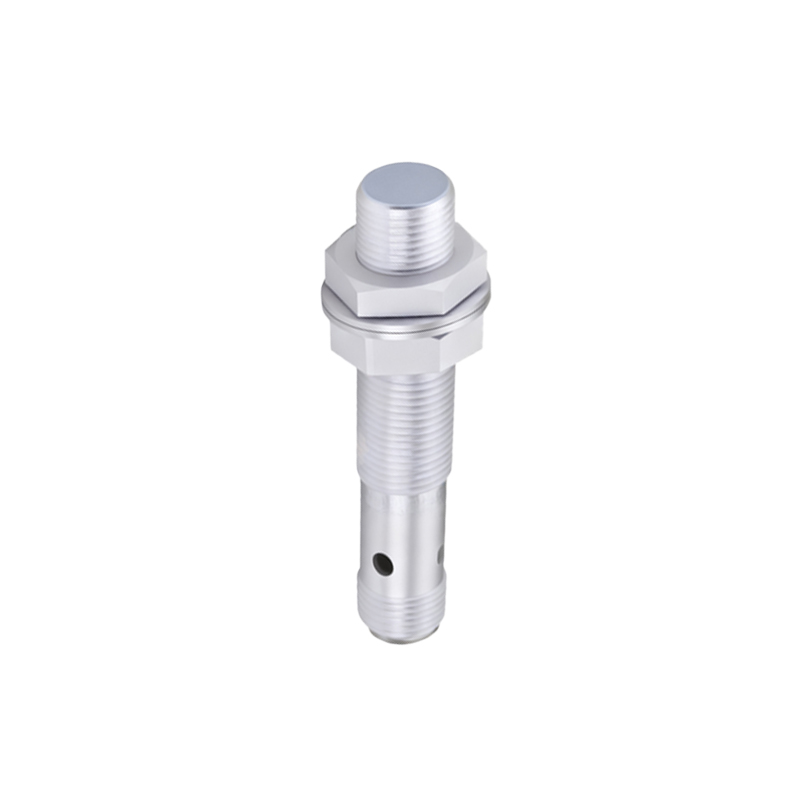
For harsh industrial environments, heavy-duty inductive proximity sensors are constructed with robust housings made from stainless steel, nickel-plated brass, or specialized polymers. They feature enhanced resistance to mechanical impacts, chemical corrosion, extreme temperatures, and high-pressure washdowns. Commonly equipped with higher IP (Ingress Protection) ratings (e.g., IP67, IP69K), these sensors are deployed in food and beverage processing, mining, heavy machinery, and marine applications where durability is paramount.
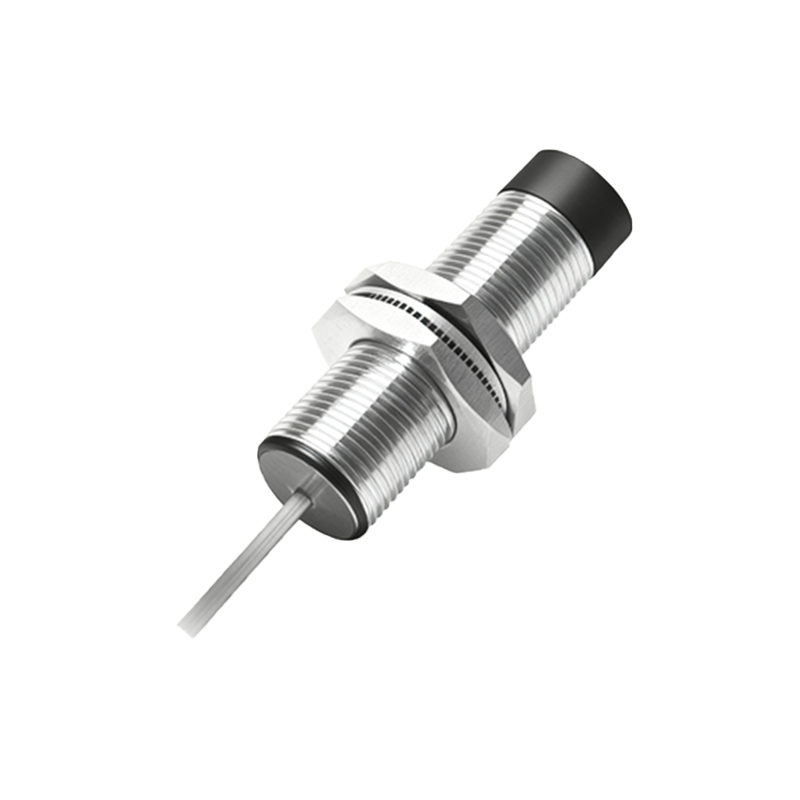
Additionally, analog output inductive sensors provide a continuous output signal (typically 4-20mA or 0-10V) proportional to the distance between the sensor and the target. Unlike standard binary (on/off) sensors, analog variants enable precise distance or position measurement, thickness monitoring, or vibration analysis. They are used in applications like roll diameter measurement, brake pad wear detection, or automated gap control in manufacturing processes.
Finally, special-function inductive sensors include variants with built-in timers, counters, logic functions, or IO-Link communication capabilities. IO-Link sensors, part of Industry 4.0 ecosystems, allow for parameter setting, real-time diagnostics, and data exchange with controllers, facilitating predictive maintenance and flexible production line reconfiguration.
Each type of inductive proximity sensor offers unique advantages tailored to specific operational demands. Selection criteria should consider the target material, required sensing distance, environmental conditions, installation constraints, and necessary output functionality. Proper implementation not only enhances system performance but also contributes to the longevity and safety of automated industrial operations.
SEO Keywords:inductive proximity sensor types, shielded unshielded sensors, all-metal detection sensor, factor-1 compensated sensor, industrial automation sensors
SEO Description:Explore various inductive proximity sensor types including shielded, unshielded, all-metal detection, factor-1 compensated, and miniature sensors for industrial automation applications, with selection insights.