In the intricate world of modern electronics and automation, the demand for smaller, smarter, and more reliable components is relentless. Among these critical components, miniature Surface-Mount Device (SMD) proximity sensors have emerged as indispensable workhorses. These tiny, yet powerful, devices are fundamentally changing how machines perceive and interact with their environment, enabling a new era of miniaturization and efficiency. Unlike their larger, through-hole predecessors, SMD proximity sensors are designed for direct mounting onto printed circuit boards (PCBs) using automated assembly processes, making them ideal for high-volume production of compact devices.
At their core, SMD proximity sensors are non-contact devices that detect the presence or absence of an object within a specified sensing range without any physical contact. They achieve this through various sensing principles, with inductive and capacitive being the most prevalent for SMD formats. Inductive SMD sensors are primarily used to detect metallic objects. They generate an electromagnetic field; when a metal target enters this field, it causes a change in the oscillation amplitude, which the sensor's circuitry detects and converts into a switching signal. This makes them perfect for applications in factory automation—counting metal parts, detecting piston position in compact cylinders, or ensuring precise positioning in miniature robotic arms.
Capacitive SMD proximity sensors, on the other hand, can detect both metallic and non-metallic materials, including liquids, plastics, and glass. They function by measuring changes in capacitance caused by the presence of a target object near the active surface. This versatility opens doors to applications in consumer electronics, such as touch-sensitive controls, liquid level detection in small appliances, and proximity detection in smartphones to disable the touchscreen when held to the ear.
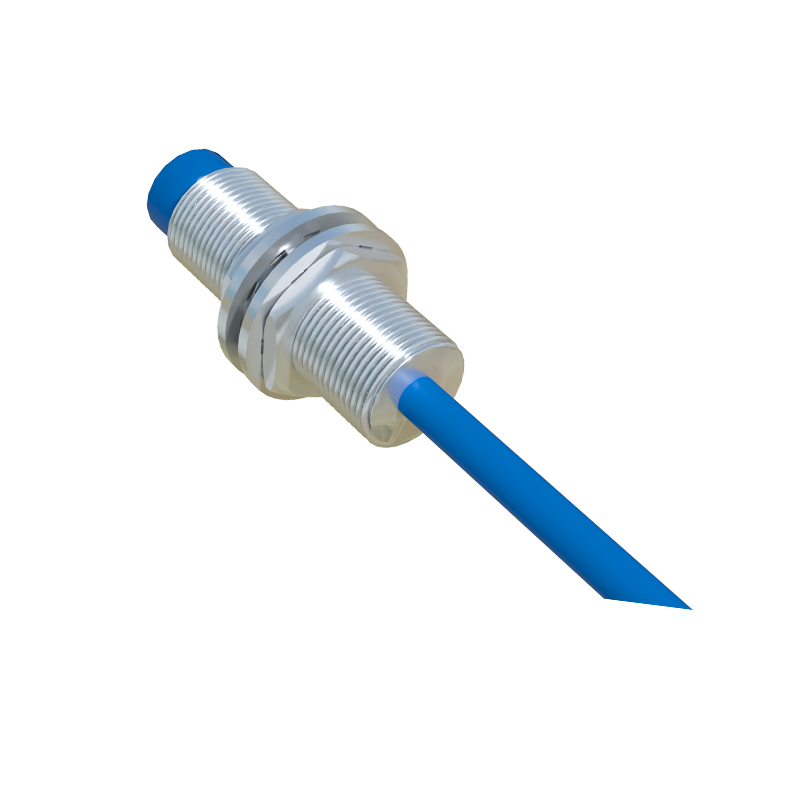
The primary role of these miniature sensors can be distilled into several key functions: detection, positioning, counting, and inspection. Their compact size, often just a few millimeters in length and width, allows engineers to integrate sensing capabilities into spaces previously deemed impossible. This is crucial for the ongoing trend toward the Internet of Things (IoT), where everyday objects become smart and connected. A miniature SMD proximity sensor can be embedded within a wearable device to detect when it is worn, inside a smart pen to sense writing motion, or in ultra-compact industrial modules for condition monitoring.
The advantages of using SMD proximity sensors are substantial. Their small footprint directly contributes to overall product miniaturization. The SMD design eliminates the need for mounting holes and extensive wiring, simplifying PCB layout and reducing assembly time and cost. Furthermore, these sensors typically offer excellent resistance to environmental factors such as vibration, dust, and moisture, ensuring reliable operation in harsh conditions. Their solid-state construction, with no moving parts, translates to a long operational life and minimal maintenance requirements.
However, integrating such small sensors comes with its own set of engineering considerations. The sensing range for SMD models is generally shorter than that of larger housed sensors, necessitating precise mechanical design. The choice of sensing technology—inductive versus capacitive—must be carefully matched to the target material and the specific environmental conditions, such as the presence of other metals or contaminants. Electrical compatibility, including operating voltage and output type (e.g., NPN, PNP, or digital I2C), must align seamlessly with the host control system.
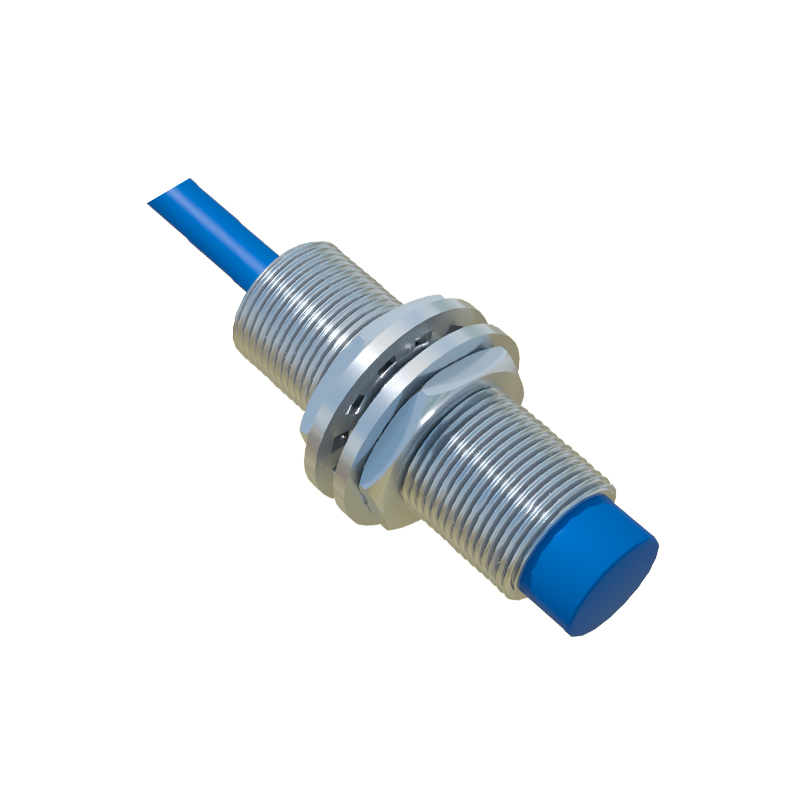
Looking forward, the role of miniature SMD proximity sensors is set to expand further. Advances in semiconductor technology are leading to sensors with even smaller dimensions, lower power consumption, and integrated intelligence, such as built-in diagnostics and digital communication interfaces like IO-Link. This evolution will continue to drive innovation in mobile devices, advanced robotics, medical instruments, and automotive electronics, where space is at a premium and reliability is paramount. In essence, these unassuming components are the silent enablers of smarter, more responsive, and more compact electronic systems, forming the essential sensory layer of our automated world.