In the realm of industrial automation and machine safety, the reliability and precision of safety components are non-negotiable. Among these critical components, safety light curtains and proximity sensors stand as fundamental pillars for protecting personnel, ensuring operational continuity, and maintaining regulatory compliance. This article delves into the landscape of supply manufacturers for these essential devices, examining key considerations, technological trends, and the hallmarks of a superior supplier.
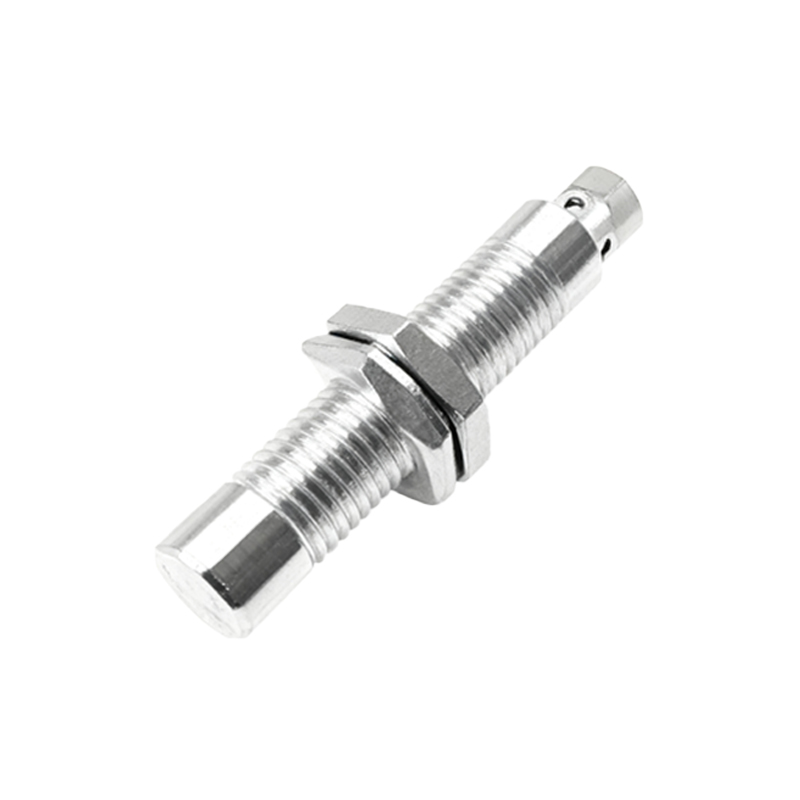
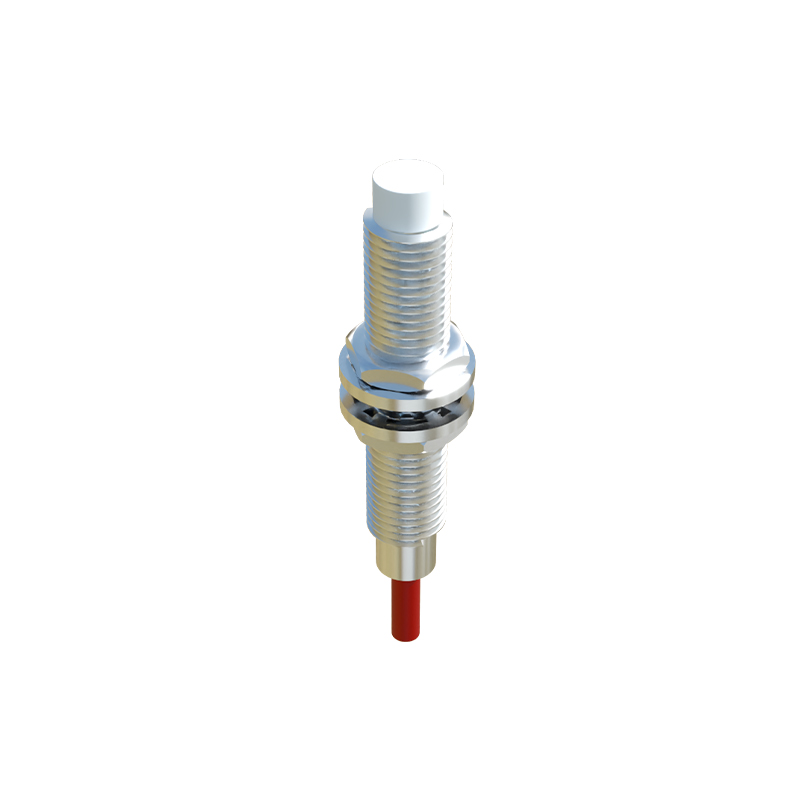
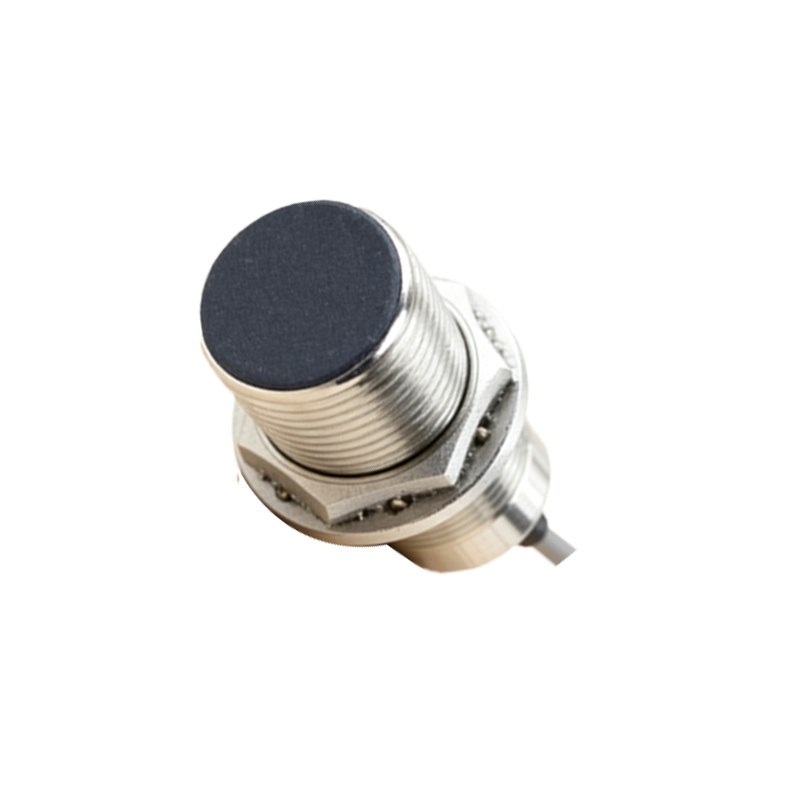
Safety light curtains, or optoelectronic protective devices, create an invisible screen of infrared light beams around hazardous machine areas. When this light curtain is interrupted, a stop signal is sent immediately to the machine's control system, halting operation and preventing potential injury. Proximity sensors, on the other hand, are non-contact devices that detect the presence or absence of an object within a specific range. In safety applications, they are often used for position verification, access monitoring, and as part of interlocking safety systems. The synergy between these two technologies forms a robust defense against workplace accidents.
Selecting the right supply manufacturer is a decision that impacts safety, productivity, and total cost of ownership. Leading manufacturers in this sector distinguish themselves through several core competencies. First and foremost is certification and compliance. Reputable suppliers ensure their products meet or exceed stringent international standards such as ISO 13849 (Safety of machinery), IEC 61496 (Safety of machinery - Electro-sensitive protective equipment), and specific regional directives like the EU's Machinery Directive. Products should carry relevant type approvals (e.g., TÜV, UL) and appropriate Safety Integrity Level (SIL) or Performance Level (PL) ratings for the intended application.
Technological innovation is another critical differentiator. Top-tier manufacturers invest heavily in R&D to enhance product features. Modern safety light curtains offer advanced functionalities like muting (temporarily disabling the protective field for material passage), blanking (ignoring interruptions in specific beam areas for fixed obstructions), and cascade connections for protecting large perimeters. Resolution, which determines the smallest object the curtain can detect, is a key specification, especially for finger and hand protection. For proximity sensors, trends include increased sensing distances, immunity to environmental interference (like dust, oil, or electromagnetic noise), and the integration of IO-Link for smart diagnostics and parameter setting.
Durability and design for harsh industrial environments are paramount. High-quality safety light curtains and proximity sensors feature robust housings, often from stainless steel or rugged polycarbonate, with high Ingress Protection (IP) ratings (e.g., IP67, IP69K) to withstand washdowns, impacts, and extreme temperatures. This ensures long-term reliability and minimizes downtime.
Beyond the product itself, the value offered by a supply manufacturer encompasses comprehensive technical support, application engineering expertise, and global availability. A superior supplier provides detailed documentation, CAD models for easy integration, and responsive customer service to assist with system design, installation, and troubleshooting. Their distribution network should guarantee timely delivery of both products and spare parts, supporting just-in-time manufacturing schedules.
The market features a mix of long-established global leaders and specialized niche players. While global brands offer extensive product portfolios and worldwide service, specialized manufacturers might provide exceptional depth in certain applications or more cost-effective solutions for standard requirements. The choice depends on the specific application's complexity, risk assessment, and budgetary constraints.
In conclusion, sourcing safety light curtains and proximity sensors from a competent manufacturer is a strategic investment. It requires a careful evaluation of product certifications, technological capabilities, environmental robustness, and the supplier's overall support ecosystem. By partnering with a manufacturer that excels in these areas, engineers and plant managers can build safer, more efficient, and compliant automated systems, ultimately safeguarding their most valuable asset: their workforce.