In the rapidly evolving landscape of industrial automation, space constraints and design flexibility are paramount. Short-body proximity sensors have emerged as a critical component, offering reliable non-contact detection in a minimized footprint. These compact devices are engineered to deliver the same high performance as their standard counterparts while addressing the challenges of tight installation spaces in machinery, robotics, and material handling systems.
The core technology behind short-body inductive proximity sensors remains based on the principle of electromagnetic field generation and eddy current detection. However, advanced miniaturization techniques allow for a significantly reduced sensing face and housing length without compromising sensing range or switching frequency. Typical short-body models feature housing lengths as low as 20mm to 40mm, with threaded barrels commonly in M8, M12, or M18 sizes. Despite their small size, they maintain robust sensing distances, often up to 2mm, 4mm, or 8mm depending on the target material and sensor diameter. This makes them ideal for applications where mounting depth is limited, such as in compact linear actuators, small CNC tool changers, or densely packed control panels.
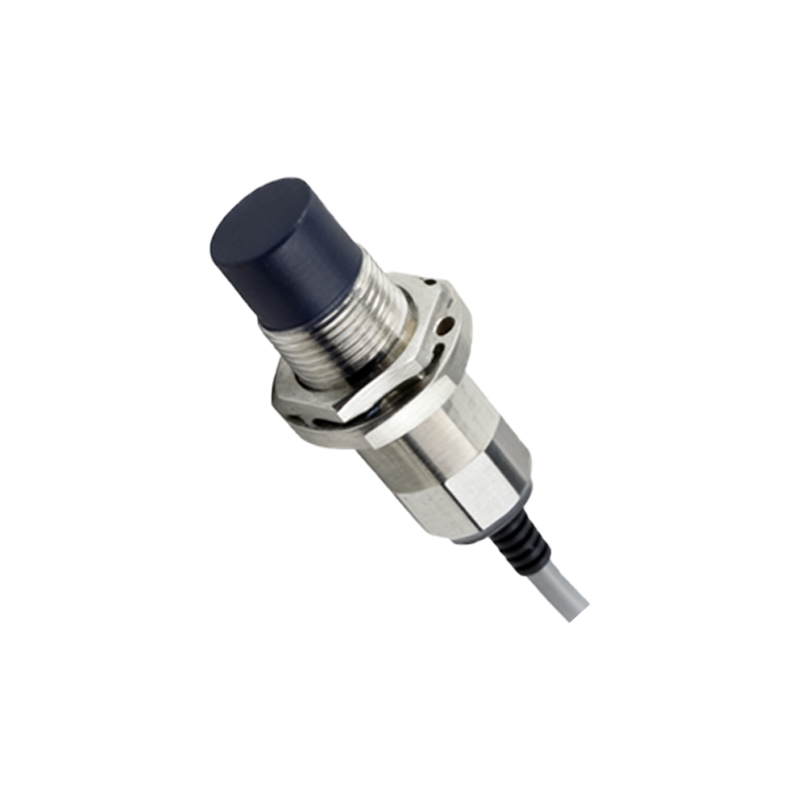
Key advantages of utilizing short-body proximity sensors include enhanced design freedom and simplified installation. Engineers can integrate these sensors into more streamlined equipment designs, reducing the overall machine envelope. Their compact form factor also allows for mounting in locations previously inaccessible to standard sensors, enabling more precise monitoring of component position, presence, or absence. Furthermore, modern short-body sensors are built to withstand harsh industrial environments. They typically feature solid-state outputs (PNP/NPN), high IP67 or IP69K ingress protection ratings, and robust housing materials like nickel-plated brass or stainless steel, ensuring reliable operation in the presence of coolants, vibrations, and temperature fluctuations.
When selecting a short-body proximity sensor, several critical parameters must be considered. The sensing range should be chosen based on the application's required detection distance and the target material (e.g., steel, aluminum, brass). The electrical configuration—whether 2-wire, 3-wire DC, or AC/DC—must match the control system's requirements. Output type (NO/NC) and current rating are equally vital for proper interface with PLCs or controllers. Additionally, factors like switching frequency, temperature range, and housing style (shielded or unshielded) play a decisive role in ensuring optimal performance. Shielded models allow for flush mounting in metal, while unshielded types offer a slightly longer sensing range but require non-metallic surroundings.
Application examples abound across various sectors. In packaging machinery, short-body sensors verify the presence of small caps or labels on high-speed production lines. In robotic grippers, they provide precise end-of-stroke detection for compact pneumatic cylinders. Within semiconductor manufacturing, these sensors are indispensable for wafer handling and positioning in cleanroom-compatible versions. Their reliability in counting, positioning, and end-limit detection tasks makes them a versatile choice for OEMs seeking to build smaller, smarter, and more efficient automated systems.
In conclusion, the development of short-body proximity sensors represents a significant stride toward miniaturization in factory automation. By offering full functionality in a reduced package, they solve spatial challenges without sacrificing detection reliability or environmental durability. As equipment continues to trend toward higher density and modularity, the adoption of these compact sensing solutions is set to grow, empowering engineers to innovate within ever-tighter design constraints.